Understanding Agile Performance Management
Traditional performance reviews often fail to capture the dynamic nature of modern software development teams. Agile performance management revolutionizes how organizations evaluate, develop, and motivate their workforce by embracing continuous feedback, collaborative goal-setting, and adaptive review processes that align with Agile methodologies.
Unlike conventional annual reviews that rely on outdated information and rigid structures, Agile performance management emphasizes real-time feedback, iterative improvement, and team-centric evaluation approaches. This methodology recognizes that in fast-paced development environments, waiting months to address performance issues or celebrate achievements severely limits both individual growth and team effectiveness.
Core Principles of Agile Performance Reviews
Continuous Feedback Over Annual Evaluations
The foundation of Agile performance management lies in continuous feedback loops. Instead of waiting for scheduled review periods, teams implement regular check-ins, sprint retrospectives, and ongoing conversations about performance, challenges, and achievements. This approach ensures that feedback remains relevant, actionable, and timely.
Continuous feedback mechanisms include daily standups where team members share progress and obstacles, weekly one-on-ones between managers and team members, and sprint retrospectives that focus on both technical and interpersonal aspects of team performance. These touchpoints create multiple opportunities for recognition, course correction, and professional development discussions.
Collaborative Goal Setting and Measurement
Agile performance management emphasizes collaborative goal setting where individuals work with their managers and team members to establish objectives that align with sprint goals, product roadmaps, and organizational priorities. This collaborative approach ensures that performance targets remain realistic, relevant, and motivating.
Teams utilize frameworks like OKRs (Objectives and Key Results) adapted for Agile environments, where quarterly objectives can be adjusted based on sprint outcomes and changing business priorities. This flexibility prevents the rigidity that often makes traditional performance goals obsolete before the review period ends.
Implementing Agile Review Processes
Sprint-Based Performance Discussions
Integrating performance conversations into existing Agile ceremonies maximizes efficiency while maintaining focus on continuous improvement. Sprint retrospectives naturally extend beyond technical issues to include discussions about individual contributions, collaboration effectiveness, and skill development opportunities.
During sprint planning, team members can identify personal learning objectives alongside task commitments. This integration ensures that professional development remains visible and prioritized throughout the development cycle rather than being relegated to separate, infrequent review meetings.
360-Degree Feedback in Agile Teams
Agile teams inherently operate with high visibility and frequent collaboration, making them ideal environments for 360-degree feedback approaches. Team members regularly observe each other’s contributions, problem-solving approaches, and collaborative skills during daily standups, pair programming sessions, and sprint planning meetings.
Structured 360-degree feedback in Agile environments focuses on specific competencies relevant to team success: communication effectiveness, technical skill sharing, problem-solving contributions, and support for team goals. This feedback collection happens naturally through existing team interactions rather than requiring separate evaluation processes.
Tools and Techniques for Agile Performance Management
Digital Feedback Platforms
Modern Agile teams leverage digital platforms that integrate with existing project management tools to streamline feedback collection and performance tracking. These platforms enable real-time feedback submission, peer recognition, and progress visualization that aligns with sprint cycles and release schedules.
Popular tools include integrated feedback features in platforms like Jira, Slack-based recognition systems, and dedicated performance management solutions that sync with Agile workflows. The key is selecting tools that reduce administrative overhead while increasing feedback frequency and quality.
Metrics That Matter in Agile Performance
Agile performance management relies on meaningful metrics that reflect both individual contributions and team success. Traditional metrics like lines of code or hours worked give way to outcome-focused measurements such as story completion rates, code review quality, knowledge sharing contributions, and customer satisfaction impact.
Teams track leading indicators like collaboration frequency, learning goal progress, and mentoring activities alongside lagging indicators such as sprint velocity and defect rates. This balanced approach provides a comprehensive view of performance that supports both immediate feedback and long-term development planning.
Overcoming Common Challenges
Balancing Individual and Team Performance
One significant challenge in Agile performance management involves balancing individual recognition with team-centric values. Agile methodologies emphasize collective success, yet organizations still need to evaluate and develop individual team members effectively.
Successful approaches include recognizing individual contributions to team success, highlighting unique skill contributions that strengthen the entire team, and setting individual development goals that enhance team capabilities. This balance ensures that personal growth aligns with and supports team objectives.
Managing Remote and Distributed Teams
Remote Agile teams face additional challenges in implementing effective performance management due to reduced face-to-face interaction and potential communication barriers. Digital-first feedback approaches become essential, requiring intentional structures for recognition, development conversations, and performance visibility.
Remote Agile performance management succeeds through increased frequency of virtual one-on-ones, structured async feedback collection, and creative recognition programs that maintain team connection despite physical distance. Video-based retrospectives and virtual coffee chats provide informal opportunities for performance-related conversations.
Best Practices for Agile Performance Reviews
Focus on Growth and Development
Effective Agile performance management prioritizes growth mindset approaches that view challenges as learning opportunities rather than failure indicators. Performance conversations focus on skill development, learning from retrospectives, and identifying opportunities for increased contribution rather than dwelling on past shortcomings.
This growth orientation aligns naturally with Agile principles of continuous improvement and adaptation. Performance discussions become collaborative problem-solving sessions where managers and team members work together to identify development paths and remove obstacles to improved performance.
Align Performance with Business Value
Agile performance management connects individual contributions directly to business value delivery. Performance discussions reference customer impact, product quality improvements, and business objective advancement rather than focusing solely on task completion or technical metrics.
This alignment helps team members understand how their individual growth and performance improvements contribute to organizational success, creating stronger motivation for continuous development and higher engagement with performance management processes.
Measuring Success in Agile Performance Management
Leading and Lagging Indicators
Successful Agile performance management programs track both leading indicators that predict future performance and lagging indicators that measure achieved results. Leading indicators include feedback frequency, learning goal progress, and collaboration quality, while lagging indicators encompass delivered value, customer satisfaction, and team velocity.
Regular analysis of these metrics helps teams identify patterns, celebrate improvements, and adjust performance management approaches based on what drives the most significant positive outcomes for both individuals and teams.
Continuous Improvement of the Process
Like all Agile practices, performance management processes themselves require continuous improvement. Teams regularly retrospect on their performance management approaches, gathering feedback about review effectiveness, goal-setting quality, and development opportunity identification.
This meta-improvement ensures that performance management remains relevant, efficient, and valuable for all team members while adapting to changing team dynamics, business priorities, and individual development needs.
Future Trends in Agile Performance Management
AI-Enhanced Feedback and Analytics
Emerging technologies are beginning to influence Agile performance management through AI-powered analytics that can identify performance patterns, suggest development opportunities, and provide insights into team dynamics that might not be immediately visible to managers or team members.
These tools analyze communication patterns, collaboration frequencies, and contribution distributions to provide data-driven insights that support more effective performance conversations and development planning.
Integration with Continuous Learning Platforms
The future of Agile performance management includes deeper integration with continuous learning platforms that provide personalized development recommendations based on performance feedback, skill gaps identified in retrospectives, and career aspirations discussed in regular check-ins.
This integration creates seamless pathways from performance feedback to skill development, making it easier for team members to act on development suggestions and for managers to track progress toward improvement goals.
Conclusion
Agile performance management represents a fundamental shift from traditional review processes toward continuous, collaborative, and development-focused approaches that align with modern software development practices. By embracing frequent feedback, team-centric evaluation, and growth-oriented conversations, organizations can create performance management systems that truly support both individual development and team success.
The key to successful implementation lies in starting small, gathering feedback about the process itself, and continuously improving the approach based on team needs and business objectives. As Agile methodologies continue to evolve, performance management practices that embrace these same principles of adaptation, collaboration, and continuous improvement will prove most effective in supporting high-performing development teams.
Related Posts
Agile Metrics: Complete Guide to Measuring Team Performance and Productivity
Measuring team performance in agile environments requires a strategic approach that goes beyond traditional project management metrics. Agile metrics provide...
Agile Reporting: Complete Guide to Real-Time Dashboards and Performance Insights
Agile reporting transforms raw project data into actionable insights that drive successful software delivery. Unlike traditional waterfall reporting that focuses...
Sprint Retrospective: Master Continuous Improvement with Proven Agile Techniques
Sprint retrospectives are the cornerstone of continuous improvement in Agile development, yet many teams struggle to extract meaningful insights from...
Customer Feedback: Closing the Loop in Agile Development
Understanding the Customer Feedback Loop in Agile The customer feedback loop represents the cornerstone of successful Agile development, transforming how...
Feedback Culture: Building High-Performance Teams Through Continuous Learning
Creating a robust feedback culture is the cornerstone of successful Agile teams and organizations committed to continuous improvement. In today's...
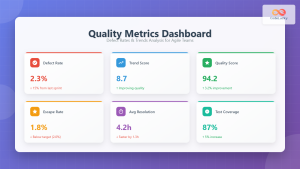
Quality Metrics: Defect Rates and Trends – Complete Guide for Agile Teams
Understanding Quality Metrics in Agile Development Quality metrics serve as the compass for Agile teams navigating the complex landscape of...
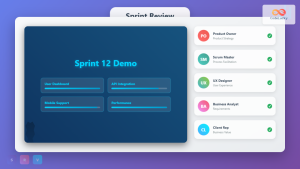
Sprint Review: Demonstrating Value to Stakeholders – Complete Guide for Agile Teams
The Sprint Review stands as one of the most critical ceremonies in the Scrum framework, serving as the bridge between...
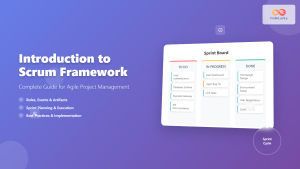
Introduction to Scrum Framework: Complete Guide for Agile Project Management
The Scrum framework has revolutionized how teams approach project management and software development. As one of the most popular agile...
Predictability: Consistency in Delivery Through Agile Methodologies
Predictability in Agile development represents the cornerstone of successful project delivery, enabling teams to establish consistent patterns that stakeholders can...
Agile Team Dynamics: Building High-Performance Teams That Deliver Results
Agile team dynamics form the backbone of successful software development projects, determining whether teams thrive or struggle in today's fast-paced...
Agile Training: Complete Guide to Building High-Performance Team Capabilities
Agile training has become the cornerstone of modern software development and project management success. Organizations worldwide are investing heavily in...
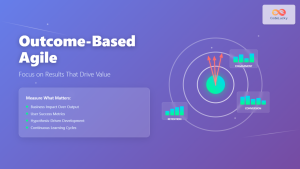
Outcome-Based Agile: Focus on Results That Drive Business Value
Traditional Agile methodologies often fall into the trap of measuring success by output metrics like story points completed, features delivered,...