In today’s fast-paced business environment, teams need efficient methods to manage work, visualize progress, and optimize productivity. Kanban, a visual workflow management system originating from Toyota’s manufacturing processes, has emerged as one of the most effective approaches for managing projects and workflows across various industries.
This comprehensive guide explores everything you need to know about Kanban, from its fundamental principles to practical implementation strategies that can transform how your team collaborates and delivers results.
What is Kanban?
Kanban is a visual project management methodology that uses boards, cards, and columns to help teams visualize work, limit work-in-progress, and maximize efficiency. The word “Kanban” comes from Japanese, meaning “visual board” or “signboard,” reflecting its core principle of making work visible to all team members.
Unlike traditional project management approaches that rely on detailed upfront planning, Kanban focuses on continuous improvement and adapting to changing requirements. It provides a clear visual representation of work items as they move through different stages of completion, enabling teams to identify bottlenecks, optimize flow, and deliver value more consistently.
The History and Evolution of Kanban
Kanban’s roots trace back to the 1940s when Toyota developed the Toyota Production System (TPS) to improve manufacturing efficiency. The system used physical cards (kanban cards) to signal when new parts were needed on the production line, creating a pull-based system that reduced waste and improved flow.
In the early 2000s, David J. Anderson adapted these manufacturing principles for knowledge work, particularly software development. He introduced Kanban as an evolutionary approach to improving existing processes without requiring dramatic organizational changes. This adaptation made Kanban accessible to teams across various industries, from software development to marketing and human resources.
Core Principles of Kanban
Kanban is built on six fundamental principles that guide its implementation and operation:
1. Start With What You Do Now
Kanban doesn’t require teams to completely overhaul their existing processes. Instead, it encourages starting with current workflows and gradually improving them. This approach reduces resistance to change and allows for smoother transitions.
2. Agree to Pursue Incremental, Evolutionary Change
Rather than implementing dramatic changes, Kanban promotes small, continuous improvements. This evolutionary approach helps teams adapt gradually while maintaining stability and reducing the risk of disruption.
3. Respect Current Process, Roles, and Responsibilities
Kanban recognizes the value in existing organizational structures and doesn’t mandate specific roles or processes. Teams can maintain their current responsibilities while using Kanban to improve visibility and flow.
4. Encourage Acts of Leadership at All Levels
Kanban empowers every team member to identify improvement opportunities and take action. Leadership isn’t restricted to management positions; everyone can contribute to the team’s continuous improvement efforts.
5. Visualize the Workflow
Making work visible is central to Kanban’s effectiveness. By displaying all work items and their current status, teams can quickly identify issues, track progress, and make informed decisions about priorities and resource allocation.
6. Limit Work in Progress (WIP)
Controlling the amount of work happening simultaneously helps teams focus, reduce context switching, and complete tasks more efficiently. WIP limits prevent overcommitment and highlight bottlenecks in the workflow.
Essential Components of a Kanban Board
A typical Kanban board consists of several key elements that work together to provide visibility and control over work processes:
Columns
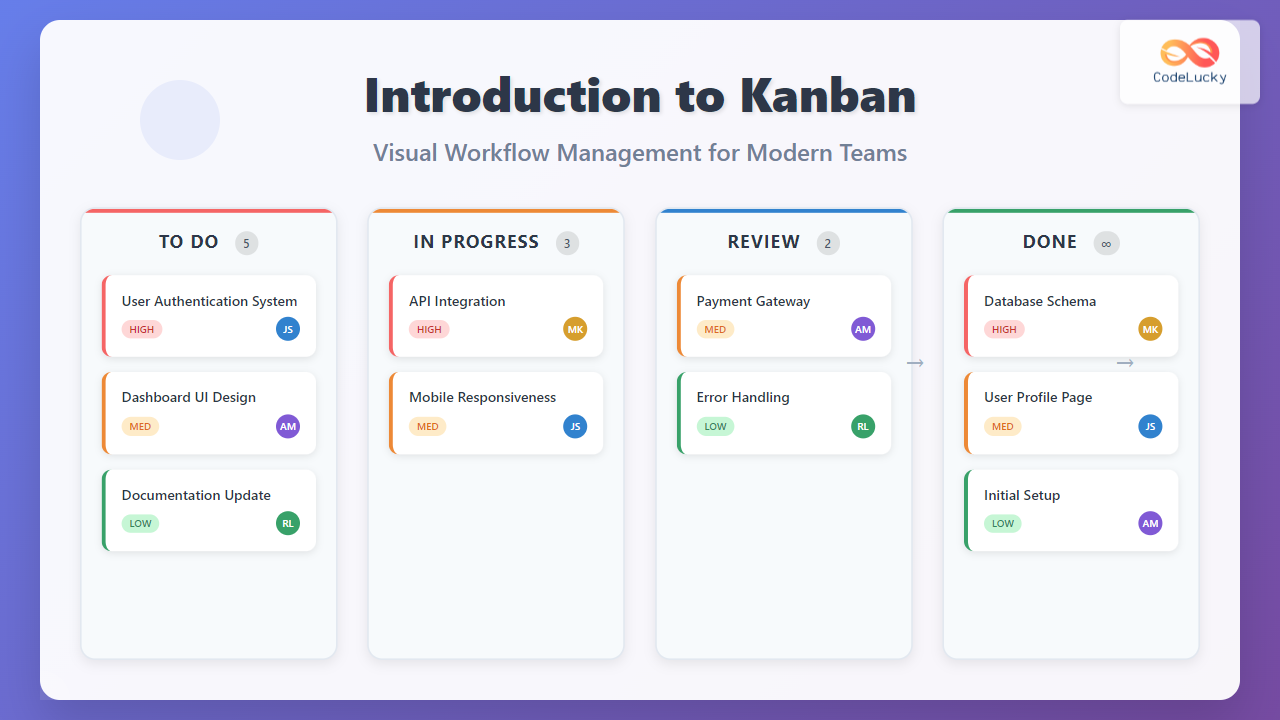
Columns represent different stages of work, typically including “To Do,” “In Progress,” and “Done.” However, teams can customize columns to match their specific workflow stages, such as “Backlog,” “Analysis,” “Development,” “Testing,” and “Deployment.”
Cards
Cards represent individual work items, tasks, or user stories. Each card contains essential information such as task description, assignee, due date, and priority level. Cards move from left to right across the board as work progresses.
WIP Limits
Work-in-Progress limits are numerical constraints placed on columns to control how many items can be in each stage simultaneously. These limits help prevent overcommitment and identify bottlenecks.
Swimlanes
Horizontal rows that categorize work by different criteria such as priority, project, or team member. Swimlanes provide additional organization and help teams manage multiple workstreams simultaneously.
Types of Kanban Boards
Kanban boards can be implemented in various formats depending on team preferences and requirements:
Physical Kanban Boards
Traditional boards using whiteboards, cork boards, or walls with sticky notes or index cards. Physical boards offer tangible interaction and high visibility in shared workspaces, making them ideal for co-located teams.
Digital Kanban Boards
Software-based solutions that provide enhanced features such as automated reporting, integration with other tools, and remote access. Popular digital Kanban tools include Trello, Jira, Asana, and Monday.com.
Hybrid Boards
Combinations of physical and digital elements, such as physical boards that sync with digital systems or digital displays showing board status in common areas.
Implementing Kanban: Step-by-Step Guide
Successfully implementing Kanban requires careful planning and gradual introduction. Follow these steps to establish an effective Kanban system:
Step 1: Map Your Current Workflow
Begin by documenting your existing process from start to finish. Identify all stages that work passes through, including waiting periods and handoffs between team members or departments.
Step 2: Create Your Initial Board
Design a simple board with three to five columns representing your main workflow stages. Start simple and add complexity as your team becomes comfortable with the system.
Step 3: Populate the Board
Add all current work items to appropriate columns based on their current status. This provides an immediate visual representation of your team’s workload and progress.
Step 4: Establish WIP Limits
Set initial WIP limits for each column based on team capacity and workflow constraints. Start conservatively and adjust limits based on observed flow and bottlenecks.
Step 5: Define Policies
Create clear criteria for moving cards between columns, known as “Definition of Done” for each stage. These policies ensure consistency and prevent confusion about task status.
Step 6: Hold Regular Reviews
Schedule daily stand-ups and weekly reviews to discuss board status, identify improvements, and adjust the system as needed. These meetings maintain momentum and ensure continuous improvement.
Kanban Metrics and Measurement
Effective Kanban implementation relies on key metrics that provide insights into team performance and process efficiency:
Lead Time
The total time from when a work item is requested until it’s completed and delivered. Lead time helps teams understand customer expectations and identify improvement opportunities.
Cycle Time
The time required to complete a work item once work begins. Cycle time focuses on active work periods and helps teams optimize their processes.
Throughput
The number of work items completed within a specific time period. Throughput measures team productivity and helps with capacity planning and forecasting.
Work in Progress
The number of items currently being worked on across all stages. Monitoring WIP helps maintain flow and identify when limits need adjustment.
Cumulative Flow Diagram
A visual representation showing how work items flow through different stages over time. This diagram helps identify trends, bottlenecks, and process stability.
Benefits of Using Kanban
Organizations that successfully implement Kanban experience numerous advantages that improve both team performance and business outcomes:
Enhanced Visibility
Kanban boards provide immediate visual feedback about work status, team capacity, and potential bottlenecks. This transparency helps stakeholders make informed decisions and keeps everyone aligned on priorities.
Improved Flow
By limiting work in progress and focusing on completing tasks before starting new ones, teams achieve smoother, more predictable delivery cycles with reduced delays and interruptions.
Increased Flexibility
Kanban’s pull-based system allows teams to adapt quickly to changing priorities and requirements without disrupting ongoing work or requiring extensive replanning.
Reduced Waste
Visual workflow management helps identify and eliminate activities that don’t add value, such as unnecessary handoffs, waiting periods, or rework caused by unclear requirements.
Better Collaboration
Shared visibility of work promotes collaboration and communication among team members, leading to better coordination and knowledge sharing.
Continuous Improvement
Regular reviews and metrics analysis create opportunities for ongoing process refinement and performance enhancement.
Common Kanban Challenges and Solutions
While Kanban offers significant benefits, teams may encounter challenges during implementation. Understanding these common issues and their solutions helps ensure successful adoption:
Challenge: Resistance to WIP Limits
Solution: Educate team members about the benefits of WIP limits and start with higher limits that gradually decrease as the team adapts to the system.
Challenge: Inconsistent Card Updates
Solution: Establish clear policies for card management and make board updates part of daily routines. Use automated tools where possible to reduce manual effort.
Challenge: Overcomplicating the Board
Solution: Start simple and add complexity gradually. Regularly review the board structure and remove unnecessary elements that don’t add value.
Challenge: Lack of Management Support
Solution: Demonstrate early wins and quantify benefits using metrics. Provide regular updates on improvements and cost savings achieved through Kanban implementation.
Kanban vs. Other Agile Methodologies
Understanding how Kanban compares to other popular methodologies helps teams choose the right approach for their needs:
Kanban vs. Scrum
While Scrum uses fixed-length sprints and prescribed roles, Kanban focuses on continuous flow without time-boxed iterations. Kanban is more flexible and easier to implement in existing organizations, while Scrum provides more structure and defined ceremonies.
Kanban vs. Waterfall
Traditional waterfall methodology follows sequential phases with limited flexibility, while Kanban enables continuous delivery and adaptation. Kanban’s visual nature also provides better visibility compared to waterfall’s document-heavy approach.
Scrumban: Combining Both Approaches
Many teams successfully combine Scrum’s structured framework with Kanban’s visual flow management, creating a hybrid approach that leverages the strengths of both methodologies.
Best Practices for Kanban Success
Following these proven practices will help your team maximize the benefits of Kanban implementation:
Keep It Simple
Start with a basic board structure and add complexity only when necessary. Overly complex boards can become counterproductive and difficult to maintain.
Make Policies Explicit
Clearly define what each column means and when cards should move between stages. Written policies prevent confusion and ensure consistency across team members.
Focus on Flow, Not Speed
Prioritize completing work items over starting new ones. A steady, predictable flow is more valuable than bursts of high activity followed by delays.
Measure and Improve
Regularly collect and analyze metrics to identify improvement opportunities. Use data to make informed decisions about process changes and optimizations.
Foster a Culture of Continuous Improvement
Encourage team members to suggest improvements and experiment with process changes. Create a safe environment where failure is viewed as a learning opportunity.
Tools and Software for Kanban
Selecting the right tools can significantly impact your Kanban implementation success. Consider these popular options:
Trello
A user-friendly, card-based tool perfect for small teams and simple workflows. Trello offers intuitive drag-and-drop functionality and basic automation features.
Jira
A comprehensive project management platform with advanced Kanban capabilities, reporting features, and integration options. Ideal for software development teams and larger organizations.
Asana
A versatile project management tool that supports Kanban boards along with other project views. Asana offers strong collaboration features and customization options.
Azure DevOps
Microsoft’s development platform with built-in Kanban boards, perfect for teams already using Microsoft tools and requiring integration with development workflows.
Future of Kanban
As organizations continue to embrace agile methodologies and remote work becomes more prevalent, Kanban’s visual approach to workflow management remains highly relevant. Emerging trends include:
- Integration with artificial intelligence for predictive analytics and automated optimization
- Enhanced mobile experiences for remote and distributed teams
- Advanced visualization techniques including 3D boards and virtual reality interfaces
- Deeper integration with business intelligence and enterprise systems
Getting Started with Your Kanban Journey
Implementing Kanban doesn’t require extensive training or dramatic organizational changes. Start small, focus on visualization and flow, and gradually expand your use of Kanban principles as your team becomes more comfortable with the approach.
Remember that Kanban is not just a tool or board—it’s a mindset focused on continuous improvement, collaboration, and delivering value to customers. By embracing these principles and following the practices outlined in this guide, your team can harness the power of visual workflow management to achieve greater productivity, better quality, and improved satisfaction for both team members and stakeholders.
The key to Kanban success lies in starting simple, measuring progress, and continuously refining your approach based on real-world experience and feedback. Whether you’re managing software development projects, marketing campaigns, or operational workflows, Kanban provides a flexible, effective framework for visualizing work and optimizing team performance.
Related Posts
Kanban Board: Complete Setup and Management Guide for Agile Teams
Kanban boards have revolutionized how teams visualize work, manage workflows, and deliver value consistently. Originally developed by Toyota for manufacturing,...
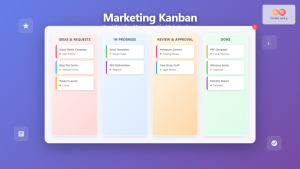
Marketing Kanban: Visual Project Management for Modern Marketing Teams
Marketing teams face unique challenges that traditional project management approaches often fail to address. Unlike software development with its predictable...
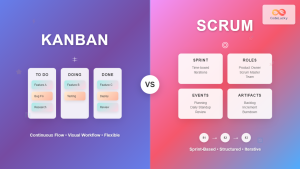
Kanban vs Scrum: Complete Guide to Choosing the Right Agile Framework
Introduction to Agile Methodologies In today's fast-paced software development landscape, choosing the right project management methodology can make or break...
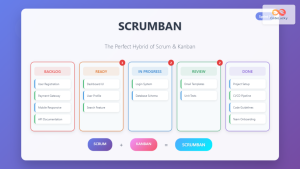
Scrumban: The Ultimate Hybrid Methodology for Agile Teams
What is Scrumban? Scrumban is a hybrid agile methodology that combines the structured framework of Scrum with the visual workflow...
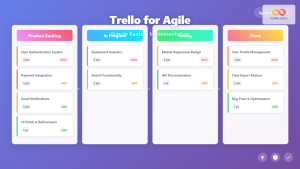
Trello for Agile: Complete Guide to Simple Kanban Implementation for Development Teams
Trello has revolutionized how development teams implement Agile methodologies, offering an intuitive visual approach to project management that makes Kanban...
Kanban Cadences: Essential Meetings and Rhythms for Agile Success
Understanding Kanban Cadences: The Foundation of Agile Flow Kanban cadences represent the heartbeat of successful agile teams, providing structured rhythms...
Miro for Agile: Complete Guide to Visual Collaboration and Team Productivity
Visual collaboration has become the cornerstone of successful Agile teams, especially in today's distributed work environment. Miro stands out as...
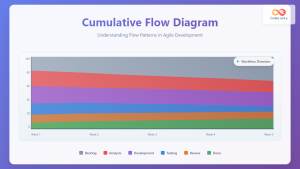
Cumulative Flow Diagram: Master Visual Flow Analysis for Agile Teams
A Cumulative Flow Diagram (CFD) serves as one of the most powerful visual tools in Agile project management, providing teams...
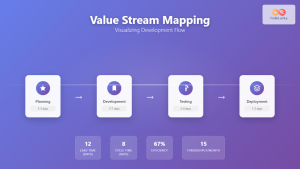
Value Stream Mapping: Complete Guide to Visualizing Development Flow for Agile Teams
What is Value Stream Mapping in Software Development? Value Stream Mapping (VSM) is a lean management technique that visualizes the...
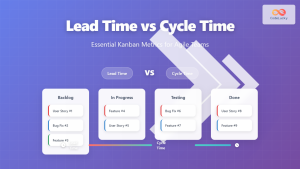
Lead Time vs Cycle Time: Kanban Metrics That Drive Agile Performance
Understanding the difference between lead time and cycle time is crucial for any team implementing Kanban methodology. These two fundamental...
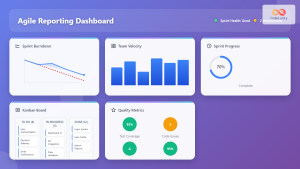
Agile Reporting: Complete Guide to Real-Time Dashboards and Performance Insights
Agile reporting transforms raw project data into actionable insights that drive successful software delivery. Unlike traditional waterfall reporting that focuses...
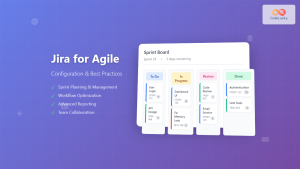
Jira for Agile: Complete Configuration Guide and Best Practices for Teams
Jira has become the backbone of Agile development for millions of teams worldwide, offering powerful tools to manage sprints, track...