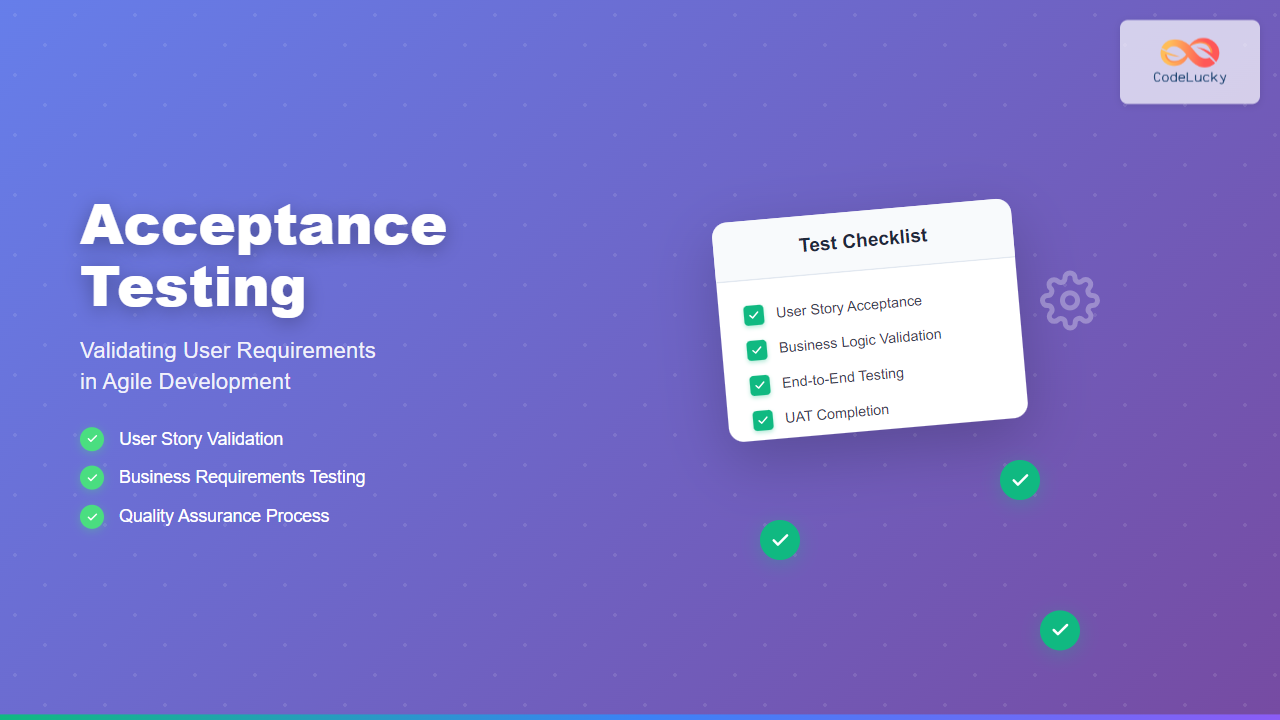
Acceptance testing stands as the final gatekeeper between development and production, ensuring that software meets user expectations and business requirements. In Agile development environments, this critical testing phase validates whether the developed features align with user stories and acceptance criteria before release.
What is Acceptance Testing?
Acceptance testing is a formal testing methodology that evaluates whether a system meets specified business requirements and is ready for deployment. Unlike unit or integration testing that focuses on technical functionality, acceptance testing examines the software from an end-user perspective, validating that it delivers the intended business value.
This testing approach serves as the bridge between technical implementation and business expectations, ensuring that developed features solve real-world problems and provide meaningful value to users. The process involves executing test scenarios that mirror actual user workflows and business processes.
Types of Acceptance Testing
User Acceptance Testing (UAT)
User Acceptance Testing involves end-users or their representatives testing the software in a production-like environment. UAT validates that the system meets user needs and expectations, focusing on real-world usage scenarios rather than technical specifications.
During UAT, actual users perform tasks they would typically execute in their daily work, providing feedback on usability, functionality, and overall user experience. This testing phase often reveals gaps between what developers built and what users actually need.
Business Acceptance Testing (BAT)
Business Acceptance Testing evaluates whether the software meets specific business objectives and requirements. Business stakeholders, including product owners and business analysts, conduct BAT to ensure the system supports business processes and delivers expected outcomes.
BAT focuses on business rules, workflows, and compliance requirements, validating that the software enables the organization to achieve its strategic goals and operational efficiency.
Alpha and Beta Testing
Alpha testing occurs within the development organization, typically performed by internal teams in a controlled environment. This testing phase identifies major issues before external release and validates core functionality.
Beta testing involves releasing the software to a limited group of external users who test it in their actual environments. Beta testing provides valuable feedback on real-world performance, usability, and potential issues that might not surface in controlled testing environments.
Acceptance Testing in Agile Methodology
Integration with User Stories
In Agile development, acceptance testing closely integrates with user stories through acceptance criteria. Each user story includes specific, measurable criteria that define when the story is considered complete and acceptable.
Acceptance criteria serve as the foundation for acceptance tests, providing clear, testable conditions that must be met before considering a feature complete. These criteria bridge the gap between user needs and technical implementation, ensuring shared understanding across the development team.
Test-Driven Development Approach
Agile teams often adopt acceptance test-driven development (ATDD), where acceptance tests are written before code implementation. This approach ensures that development efforts focus on delivering features that meet specified acceptance criteria.
ATDD promotes collaboration between developers, testers, and business stakeholders, creating a shared understanding of requirements and expected outcomes. Teams define acceptance tests during story planning, providing clear targets for development efforts.
Continuous Validation
Agile acceptance testing emphasizes continuous validation throughout the development cycle rather than waiting until the end. Teams execute acceptance tests regularly, often automated, to ensure ongoing compliance with user requirements.
This continuous approach enables early detection of requirement misalignments and reduces the risk of delivering features that don’t meet user expectations. Regular validation supports the Agile principle of delivering working software frequently.
Creating Effective Acceptance Criteria
INVEST Principles
Effective acceptance criteria follow the INVEST principles: Independent, Negotiable, Valuable, Estimable, Small, and Testable. These principles ensure that acceptance criteria provide clear guidance for development and testing efforts.
Independent criteria avoid dependencies on other features or stories, while negotiable criteria allow for discussion and refinement. Valuable criteria focus on user benefits, and estimable criteria enable accurate effort estimation. Small criteria promote incremental delivery, and testable criteria ensure verifiable outcomes.
Behavior-Driven Development Format
Many Agile teams adopt the Given-When-Then format for writing acceptance criteria, following behavior-driven development (BDD) practices. This format provides structure and clarity, making criteria easier to understand and implement.
The “Given” clause establishes preconditions, “When” describes the action or event, and “Then” specifies the expected outcome. This format promotes clear communication and reduces ambiguity in requirement specifications.
Collaborative Definition Process
Effective acceptance criteria emerge from collaboration between product owners, developers, and testers during story refinement sessions. This collaborative approach ensures that criteria reflect user needs while considering technical constraints and testing requirements.
Regular refinement sessions allow teams to clarify requirements, identify edge cases, and ensure that acceptance criteria provide sufficient detail for implementation and testing. Collaborative definition reduces misunderstandings and improves story quality.
Acceptance Testing Process and Workflow
Planning and Preparation
Acceptance testing begins with thorough planning, including test environment setup, data preparation, and resource allocation. Teams identify test scenarios based on acceptance criteria and user workflows, ensuring comprehensive coverage of critical functionality.
Test planning involves creating test cases, preparing test data, and establishing success criteria. Teams also define roles and responsibilities, ensuring that appropriate stakeholders participate in the testing process.
Test Execution and Documentation
During test execution, testers systematically validate each acceptance criterion, documenting results and identifying any deviations from expected behavior. Detailed documentation supports defect tracking and provides evidence of testing coverage.
Test execution follows predefined scenarios while allowing for exploratory testing to uncover unexpected issues. Testers record both positive and negative test results, providing comprehensive feedback on system behavior.
Defect Management and Resolution
When acceptance tests fail, teams prioritize defect resolution based on severity and impact on user experience. The defect management process includes clear communication channels between testers, developers, and stakeholders.
Effective defect management ensures rapid resolution of critical issues while maintaining quality standards. Teams track defects to closure and perform regression testing to verify fixes don’t introduce new problems.
Tools and Techniques for Acceptance Testing
Automated Acceptance Testing
Automation plays a crucial role in Agile acceptance testing, enabling frequent execution of acceptance tests without manual effort. Automated acceptance tests serve as living documentation, continuously validating that the system meets specified requirements.
Popular tools for automated acceptance testing include Cucumber, SpecFlow, and FitNesse, which support behavior-driven development approaches. These tools enable non-technical stakeholders to understand and contribute to test scenarios.
Manual Testing Approaches
While automation provides efficiency, manual acceptance testing remains essential for evaluating user experience, usability, and subjective quality factors. Manual testing allows for exploratory approaches that uncover issues automated tests might miss.
Manual testing techniques include scenario-based testing, user journey validation, and usability assessment. These approaches provide insights into how real users interact with the system and identify improvement opportunities.
Test Management and Reporting
Effective test management tools support acceptance testing by organizing test cases, tracking execution status, and generating reports. These tools provide visibility into testing progress and help teams make informed decisions about release readiness.
Comprehensive reporting includes test coverage metrics, defect trends, and pass/fail rates, enabling stakeholders to assess quality and make release decisions. Regular reporting supports transparency and accountability in the testing process.
Common Challenges and Solutions
Unclear or Changing Requirements
One of the most significant challenges in acceptance testing is dealing with unclear or frequently changing requirements. This challenge often leads to scope creep, testing delays, and increased project costs.
Solutions include implementing robust requirement gathering processes, maintaining clear communication channels with stakeholders, and adopting Agile practices that embrace change while maintaining focus on core objectives. Regular stakeholder involvement and feedback loops help clarify requirements and reduce ambiguity.
Resource Constraints and Timeline Pressures
Limited resources and tight timelines can compromise acceptance testing quality, leading to insufficient test coverage and increased risk of production issues. Teams must balance thorough testing with project constraints.
Effective solutions include risk-based testing approaches that prioritize critical functionality, test automation to increase efficiency, and clear communication about testing requirements and constraints. Early involvement of testers in project planning helps establish realistic timelines.
Stakeholder Availability and Engagement
Acceptance testing requires active stakeholder participation, but busy schedules and competing priorities can limit availability. Insufficient stakeholder engagement often results in delayed feedback and testing bottlenecks.
Strategies for improving stakeholder engagement include scheduling dedicated testing time, providing clear testing guidelines and expectations, and using collaborative tools that accommodate different schedules and locations. Regular communication and progress updates help maintain stakeholder interest and commitment.
Best Practices for Successful Acceptance Testing
Early and Continuous Involvement
Successful acceptance testing begins early in the development process, with stakeholders involved in requirement definition, acceptance criteria creation, and test planning. Early involvement ensures that testing aligns with user expectations and business objectives.
Continuous involvement throughout the development cycle enables regular feedback and course correction, reducing the risk of major issues at project completion. This approach supports Agile principles of customer collaboration and responding to change.
Clear Communication and Documentation
Effective acceptance testing relies on clear communication between all stakeholders, including developers, testers, business users, and project managers. Well-documented requirements, test procedures, and results support successful testing outcomes.
Documentation should be concise, accessible, and regularly updated to reflect current understanding and requirements. Visual aids, such as process flows and mockups, can enhance communication and reduce misunderstandings.
Risk-Based Testing Approach
Risk-based testing focuses effort on areas with the highest potential impact, ensuring efficient use of testing resources. This approach identifies critical functionality, high-risk scenarios, and areas with the greatest business impact.
Risk assessment considers factors such as business criticality, technical complexity, and change frequency. Teams prioritize testing efforts based on risk analysis, ensuring that the most important functionality receives adequate validation.
Measuring Acceptance Testing Success
Key Performance Indicators
Successful acceptance testing requires measurable indicators that demonstrate testing effectiveness and system quality. Key performance indicators include test coverage percentage, defect detection rate, and user satisfaction scores.
Additional metrics include test execution time, stakeholder participation rates, and requirement traceability coverage. These metrics provide insights into testing process efficiency and quality outcomes.
Quality Metrics and Reporting
Comprehensive quality metrics support decision-making and continuous improvement in acceptance testing processes. Metrics should be relevant, actionable, and aligned with business objectives.
Regular reporting on quality metrics enables teams to identify trends, celebrate successes, and address areas for improvement. Transparent reporting builds stakeholder confidence and supports informed release decisions.
Future Trends in Acceptance Testing
AI and Machine Learning Integration
Artificial intelligence and machine learning technologies are increasingly integrated into acceptance testing processes, enabling intelligent test generation, automated defect prediction, and enhanced test optimization.
AI-powered tools can analyze user behavior patterns, generate test scenarios automatically, and identify potential issues before they impact users. These technologies promise to increase testing efficiency and effectiveness while reducing manual effort.
Shift-Left Testing Approaches
The shift-left movement emphasizes moving testing activities earlier in the development lifecycle, including acceptance testing. This approach enables earlier defect detection and reduces the cost of fixing issues.
Shift-left acceptance testing involves collaborative requirement definition, early test design, and continuous validation throughout development. This approach aligns with Agile principles and supports faster delivery of quality software.
Acceptance testing remains a critical component of successful software development, ensuring that delivered systems meet user needs and business objectives. By implementing effective acceptance testing practices, teams can reduce project risk, improve user satisfaction, and deliver higher-quality software products.
The evolution of acceptance testing continues with new tools, techniques, and approaches that promise to make testing more efficient and effective. Organizations that invest in robust acceptance testing processes position themselves for success in an increasingly competitive software landscape.
Related Posts
User Story Acceptance Criteria: Clear Requirements for Better Agile Development
User story acceptance criteria serve as the bridge between stakeholder expectations and development team deliverables in Agile projects. These detailed...
Automated Testing: Complete Strategy Guide for Agile Development Teams
Understanding Automated Testing in Agile Context Automated testing serves as the backbone of successful Agile development, enabling teams to deliver...

Continuous Testing: Quality at Speed in Modern Agile Development
Understanding Continuous Testing in the Agile Era Continuous testing has emerged as a cornerstone of modern Agile development, fundamentally transforming...

Unit Testing: Best Practices for Agile Development Teams
Unit testing forms the backbone of quality assurance in Agile development environments. As teams embrace rapid iteration cycles and continuous...
Pilot Projects: Testing Agile Adoption – Complete Implementation Guide
Transitioning to Agile methodologies represents a significant organizational shift that requires careful planning and execution. Pilot projects serve as crucial...
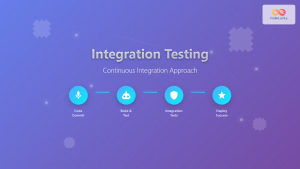
Integration Testing: Continuous Integration Best Practices and Implementation Guide
Understanding Integration Testing in Continuous Integration Integration testing within a continuous integration (CI) framework represents a critical shift from traditional...
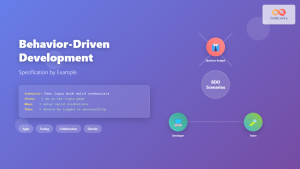
Behavior-Driven Development (BDD): Complete Guide to Specification by Example for Agile Teams
What is Behavior-Driven Development (BDD)? Behavior-Driven Development (BDD) is an Agile software development methodology that extends Test-Driven Development (TDD) by...

Exploratory Testing: Complete Guide to Unscripted Testing Methods in Agile
Exploratory testing represents one of the most dynamic and investigative approaches to software quality assurance. Unlike traditional scripted testing, this...

Performance Testing in Agile: Complete Guide to Shift-Left Testing Strategy
Introduction to Performance Testing in Agile Development Performance testing has traditionally been relegated to the final phases of software development,...
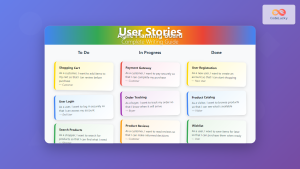
User Stories: Complete Writing Guide with Examples for Agile Teams
User stories are the backbone of Agile development, serving as simple yet powerful tools that bridge the gap between technical...
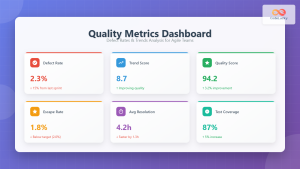
Quality Metrics: Defect Rates and Trends – Complete Guide for Agile Teams
Understanding Quality Metrics in Agile Development Quality metrics serve as the compass for Agile teams navigating the complex landscape of...
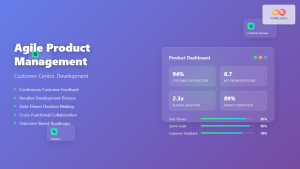
Agile Product Management: Complete Guide to Customer-Centric Development Success
What is Agile Product Management? Agile Product Management is a strategic approach that combines traditional product management principles with agile...