
Wealth Building is not a secret reserved for the lucky few — it’s an intentional process built on consistent money habits. Anyone can grow their wealth with the right mindset, disciplined financial strategies, and long-term focus. This article explores powerful yet practical money habits that will help you build lasting wealth while maintaining financial peace of mind.
1. Master the Art of Budgeting
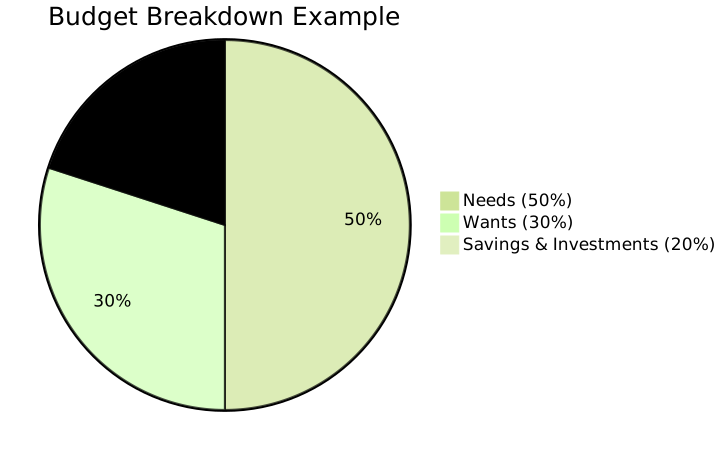
Budgeting is the cornerstone of wealth building. It gives you control over your income, allowing you to allocate money toward priorities like savings, investing, and debt repayment. A simple 50/30/20 rule is a great starting point:
- 50% for needs (housing, groceries, utilities)
- 30% for wants (entertainment, dining, travel)
- 20% for savings and investments
Digital budgeting tools such as Google Sheets, Notion, or finance apps like PocketSmith can make tracking expenses easier. The goal is not perfection but awareness — knowing exactly where your money goes every month.
2. Pay Yourself First
Most people save what’s left after spending. Wealth builders reverse that logic: they save first, then spend what’s left. Automate transfers to your savings or investment accounts right after receiving income. This habit turns saving into a non-negotiable monthly “bill” — your future self will thank you.
Example: If you earn ₹1,00,000 per month, setting up an automatic ₹15,000 transfer to a mutual fund SIP means saving ₹1.8 lakh per year — before even thinking about expenses.
3. Eliminate and Avoid Bad Debt
Not all debt is bad, but high-interest loans, especially credit card debt, can block your path to wealth. Focus first on paying off debts with the highest interest rates. Use the Debt Avalanche Method — pay minimums on all debts, and direct extra funds to the costliest one.

4. Build Multiple Streams of Income
True wealth doesn’t depend on a single paycheck. Diversifying income sources can create financial stability and new opportunities for wealth growth. Examples include:
- Starting a side business
- Investing in dividend-paying stocks or REITs
- Freelancing or consulting in your area of expertise
- Creating digital products (courses, eBooks, etc.)
Income diversification ensures that even if one stream drops, others keep your finances afloat.
5. Invest Early and Consistently
Investing is where your money starts working for you. Even small, consistent contributions benefit immensely from the power of compound interest.
Suppose you invest ₹5,000 every month at an annual return of 10%. After 20 years, your total investment of ₹12 lakh can grow to about ₹38 lakh. The difference comes purely from compounding — earning returns on your past returns.

6. Live Below Your Means
Living below your means doesn’t mean living poorly — it means spending intentionally. Avoid lifestyle inflation — the tendency to increase spending as income rises. Instead, scale investments in proportion to your income growth.
Tip: When you get a raise, save or invest at least 50% of the increment. This way, your lifestyle improves without jeopardizing future wealth.
7. Set Clear Financial Goals
Without clear goals, even the best habits lose direction. Define your wealth-building journey with specific, measurable, achievable, relevant, and time-bound (SMART) goals.
Example: “I will save ₹10 lakh in 5 years for a down payment” is more actionable than “I want to save money.”

8. Educate Yourself Continuously
Financial literacy is a long-term investment in itself. Read books, follow credible finance blogs, and watch educational YouTube channels. Understanding assets, taxes, and investment strategies ensures you make smarter money decisions.
Recommended reads:
- Rich Dad Poor Dad – Robert T. Kiyosaki
- The Psychology of Money – Morgan Housel
9. Protect Your Wealth
Building wealth is only half the journey — protecting it is equally critical. Use the following measures:
- Invest in health and life insurance.
- Maintain an emergency fund (at least 6 months of expenses).
- Diversify your investments to reduce risk.

10. Automate and Track Progress
Automation removes emotional decision-making and enhances discipline. Automate savings, investments, and bill payments. Then track your net worth every quarter using tools like Excel or specialized apps.
Visualizing progress strengthens motivation and helps identify areas for improvement.
Conclusion: Wealth Is Built, Not Found
Wealth building is less about luck and more about habits compounded over time. When you budget wisely, save first, invest consistently, and protect your assets, financial independence becomes an achievable outcome — not a distant dream.
Remember: Consistency beats intensity. Start small today, and let your money habits work silently towards a secure, prosperous future.