Technical debt represents one of the most significant challenges facing modern software development teams. Like financial debt, it accumulates over time and can severely impact your project’s long-term success if left unmanaged. In Agile environments, where speed and adaptability are paramount, understanding how to effectively manage and prevent technical debt becomes crucial for maintaining sustainable development practices.
Understanding Technical Debt: Beyond the Surface
Technical debt encompasses all the shortcuts, quick fixes, and compromises made during software development that will require additional work in the future. Ward Cunningham, who coined the term, described it as the gap between what you have and what you need to have in your codebase.
Types of Technical Debt
Deliberate Technical Debt occurs when teams consciously choose to implement a quick solution to meet deadlines, fully aware of the future consequences. This strategic decision can be justified when time-to-market is critical.
Accidental Technical Debt emerges from lack of knowledge, poor planning, or inadequate understanding of requirements. Unlike deliberate debt, this type often goes unnoticed until it becomes problematic.
Bit Rot develops naturally as the codebase ages, dependencies become outdated, and new technologies emerge, making existing solutions less efficient or secure.
The Hidden Costs of Technical Debt
Technical debt impacts organizations far beyond the development team. Understanding these costs helps justify investment in debt management and prevention strategies.
Development Velocity Impact
As technical debt accumulates, feature development slows significantly. Simple changes require extensive modifications across multiple components, and developers spend increasing amounts of time understanding and working around existing issues rather than building new functionality.
Quality and Reliability Concerns
High levels of technical debt correlate directly with increased bug rates, system instability, and unpredictable behavior. This creates a vicious cycle where developers must allocate more time to bug fixes instead of addressing the underlying debt.
Team Morale and Productivity
Working with heavily indebted codebases frustrates developers, leading to decreased job satisfaction and higher turnover rates. New team members struggle to understand complex, poorly structured code, extending onboarding time and reducing overall productivity.
Comprehensive Technical Debt Management Strategies
Identification and Assessment Framework
Effective debt management begins with systematic identification. Implement regular code reviews focusing specifically on debt identification, utilize static analysis tools to detect code smells and violations, and maintain a centralized debt register tracking identified issues with priority levels.
Establish clear criteria for debt assessment, including impact on development velocity, maintenance difficulty, security implications, and alignment with architectural goals. This standardized approach ensures consistent evaluation across your development team.
Prioritization Techniques
Not all technical debt requires immediate attention. Develop a prioritization matrix considering factors such as business impact, technical risk, and effort required for resolution. Focus on debt that directly affects current development work or poses significant future risks.
The “debt quadrant” approach categorizes debt by urgency and importance: address high-urgency, high-importance debt immediately, schedule high-importance, low-urgency debt for upcoming sprints, delegate low-importance, high-urgency items to junior developers, and eliminate low-importance, low-urgency debt from consideration.
Integration with Agile Processes
Successful debt management requires seamless integration with existing Agile practices. Allocate 15-20% of sprint capacity specifically for debt reduction activities, treating technical debt as a first-class citizen alongside user stories.
Include debt discussions in sprint planning, retrospectives, and daily standups. Make debt visible on your Kanban boards or sprint backlogs, ensuring it receives appropriate attention from product owners and stakeholders.
Prevention Strategies for Sustainable Development
Code Quality Standards and Practices
Establish comprehensive coding standards covering naming conventions, code structure, documentation requirements, and testing practices. Implement automated code quality gates that prevent substandard code from entering the main branch.
Mandate peer code reviews for all changes, focusing not only on functionality but also on maintainability, readability, and adherence to architectural principles. Create code review checklists that specifically address common sources of technical debt.
Architectural Decision Management
Document architectural decisions and their rationale using Architecture Decision Records (ADRs). This practice helps future developers understand why certain approaches were chosen and when they might need reconsideration.
Regularly review and reassess architectural decisions as requirements evolve, ensuring your system architecture remains aligned with business needs and technological advancement.
Automated Testing and Continuous Integration
Comprehensive test coverage prevents many forms of technical debt by catching issues early and providing confidence for refactoring activities. Implement unit tests, integration tests, and end-to-end tests as appropriate for your application.
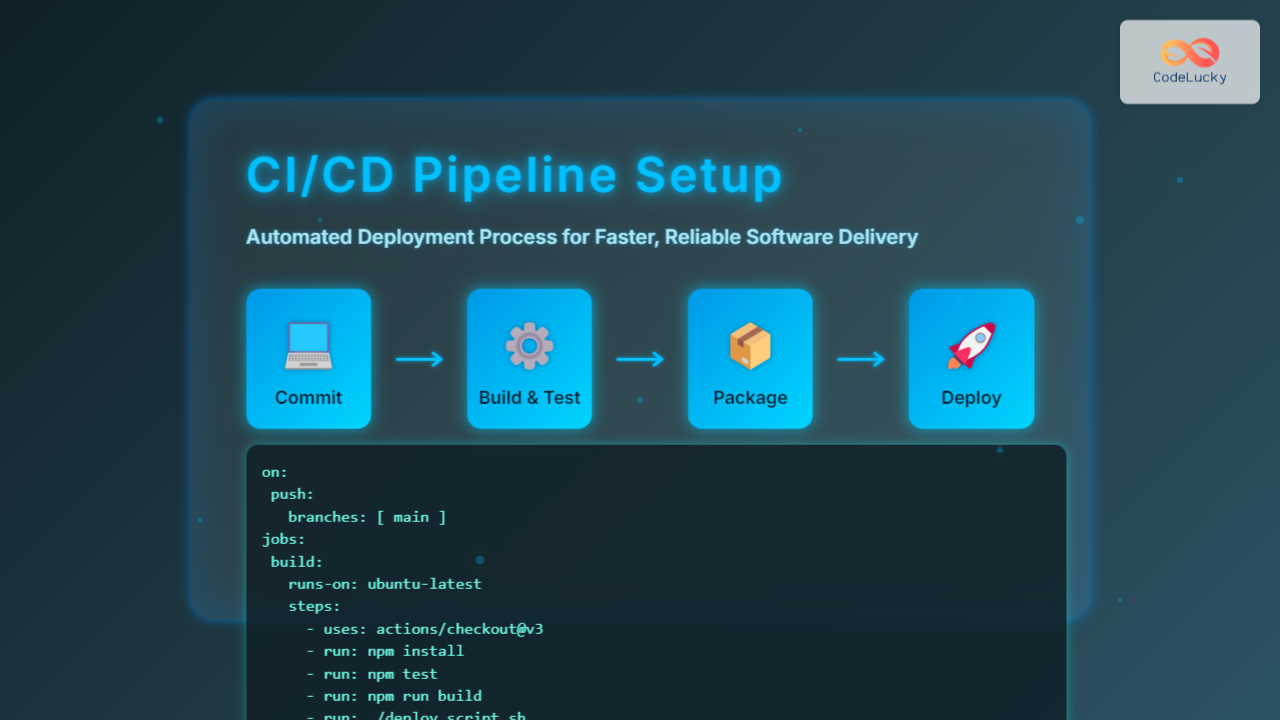
Establish continuous integration pipelines that automatically run tests, code quality checks, and security scans on every code change. This automation catches potential debt early in the development process when it’s cheaper to address.
Measurement and Tracking Frameworks
Quantitative Metrics
Measure technical debt using concrete metrics such as code complexity scores, test coverage percentages, dependency staleness indicators, and static analysis violation counts. Track these metrics over time to identify trends and measure improvement efforts.
Calculate debt ratios by comparing the estimated effort to fix debt against the effort to rebuild functionality from scratch. This provides stakeholders with a clear understanding of debt magnitude.
Qualitative Assessment Tools
Supplement quantitative metrics with regular developer surveys assessing code quality perception, development experience, and confidence in making changes. These subjective measures often reveal debt impacts that metrics alone cannot capture.
Conduct periodic architectural health checks involving senior developers and architects to identify systemic issues and structural debt that automated tools might miss.
Team Collaboration and Communication
Stakeholder Engagement
Educate product owners and business stakeholders about technical debt using business-relevant language and concrete examples. Demonstrate how debt reduction activities directly support business objectives such as faster feature delivery and improved system reliability.
Create debt visualization dashboards that communicate current debt levels, trends, and the business impact of proposed reduction activities. Visual representations help non-technical stakeholders understand the importance of debt management.
Cross-Functional Alignment
Establish regular technical debt discussions involving all relevant stakeholders, including developers, testers, product owners, and operations teams. This collaborative approach ensures comprehensive understanding and buy-in for debt management initiatives.
Develop shared vocabulary and understanding around technical debt concepts, ensuring consistent communication across different roles and departments.
Tools and Technologies for Debt Management
Static Analysis and Code Quality Tools
Implement comprehensive static analysis tools such as SonarQube, CodeClimate, or language-specific analyzers to automatically identify code quality issues, security vulnerabilities, and maintainability problems.
Configure these tools with appropriate quality gates and thresholds aligned with your team’s standards and goals. Regularly review and adjust these configurations as your codebase and standards evolve.
Project Management Integration
Utilize project management tools like Jira, Azure DevOps, or GitHub Issues to track technical debt items alongside regular user stories. Create dedicated debt epic or initiative structures to organize and prioritize debt reduction efforts.
Implement custom fields and workflows that capture debt-specific information such as impact assessment, effort estimation, and resolution priority levels.
Advanced Debt Management Techniques
Refactoring Strategies
Adopt systematic refactoring approaches such as the Strangler Fig pattern for legacy system modernization, or the Branch by Abstraction technique for safely modifying critical system components.
Plan refactoring activities in small, incremental steps that can be completed within single sprints, minimizing risk and maintaining continuous delivery capabilities.
Legacy System Modernization
Develop comprehensive modernization strategies for legacy systems, including assessment of current state, definition of target architecture, and detailed migration roadmaps with risk mitigation plans.
Consider hybrid approaches that allow gradual migration while maintaining system functionality and minimizing business disruption.
Creating a Debt-Conscious Culture
Education and Training
Provide regular training sessions on clean code principles, design patterns, and architectural best practices. Ensure all team members understand how their daily decisions contribute to or prevent technical debt accumulation.
Establish mentorship programs pairing senior developers with junior team members to transfer knowledge about debt recognition and prevention techniques.
Incentive Alignment
Align individual and team incentives with long-term code quality goals rather than short-term feature delivery metrics alone. Recognize and reward contributions to debt reduction and prevention activities.
Include code quality and debt management activities in performance reviews and career development discussions, emphasizing their importance for professional growth.
Implementing Your Technical Debt Management Program
Begin your debt management journey by conducting a comprehensive assessment of your current codebase and development practices. Identify the most critical debt areas and establish baseline metrics for tracking improvement over time.
Develop a phased implementation plan that gradually introduces debt management practices without overwhelming your development team. Start with basic identification and tracking, then progressively add more sophisticated prevention and measurement techniques.
Remember that technical debt management is not a one-time effort but an ongoing practice that requires continuous attention and refinement. Regular assessment and adjustment of your strategies ensure they remain effective as your codebase and team evolve.
Conclusion: Building Sustainable Development Practices
Effective technical debt management and prevention form the foundation of sustainable Agile development practices. By implementing comprehensive identification, assessment, and reduction strategies, teams can maintain high development velocity while ensuring long-term code quality and system maintainability.
Success in technical debt management requires commitment from all levels of the organization, from individual developers to executive leadership. With proper tools, processes, and cultural support, technical debt transforms from a development burden into a manageable aspect of professional software development.
The investment in technical debt management pays dividends through improved development efficiency, reduced maintenance costs, enhanced system reliability, and increased team satisfaction. Start implementing these strategies today to build a more sustainable and productive development environment for your Agile teams.
Related Posts

Technical Debt Accumulation: Managing Quality Shortcuts in Agile Development
Technical debt represents one of the most significant challenges facing modern software development teams, particularly in Agile environments where speed...

Agile Finance: Beyond Budgeting Approaches for Modern Organizations
Traditional budgeting approaches often struggle to keep pace with today's rapidly changing business environment. Agile Finance emerges as a revolutionary...

Agile Philosophy: Understanding Core Principles and Values for Modern Software Development
Introduction to Agile Philosophy Agile philosophy represents a fundamental shift in how software development teams approach project management, collaboration, and...

Agile Risk Management: Adaptive Risk Response Strategies for Dynamic Projects
Risk management in traditional project management follows a rigid, plan-driven approach that often fails in today's dynamic software development environment....

The Agile Manifesto: Four Core Values Explained for Modern Software Development
The Agile Manifesto, published in 2001 by seventeen software development thought leaders, fundamentally transformed how we approach software development. This...

Future of Agile: Emerging Trends and Evolution in Modern Software Development
The Agile methodology has revolutionized software development since the publication of the Agile Manifesto in 2001. As we move deeper...

Hero Culture: Individual Over Team – Breaking the Agile Anti-Pattern
Understanding Hero Culture in Agile Development Hero culture represents one of the most pervasive anti-patterns in Agile software development, where...

Systems Thinking: Complete Guide to Holistic Agile Development
Systems thinking revolutionizes how Agile teams approach software development by viewing projects as interconnected ecosystems rather than isolated components. This...

Agile Contracts: Complete Guide to Flexible Vendor Agreements for Modern Software Development
Understanding Agile Contracts in Modern Software Development Agile contracts represent a fundamental shift from traditional fixed-scope agreements to flexible, collaborative...

Customer Collaboration: Beyond Contract Negotiation in Agile Development
In the rapidly evolving landscape of software development, the Agile Manifesto's emphasis on "Customer collaboration over contract negotiation" has fundamentally...

Agile in Non-Software: Complete Guide to Implementation Beyond IT Applications
Introduction to Agile Beyond Software Development While Agile methodologies originated in software development, their core principles of flexibility, collaboration, and...

Agile Architecture: Designing for Change – Building Flexible Software Systems
In today's rapidly evolving digital landscape, traditional waterfall architecture approaches often fail to meet the dynamic needs of modern software...