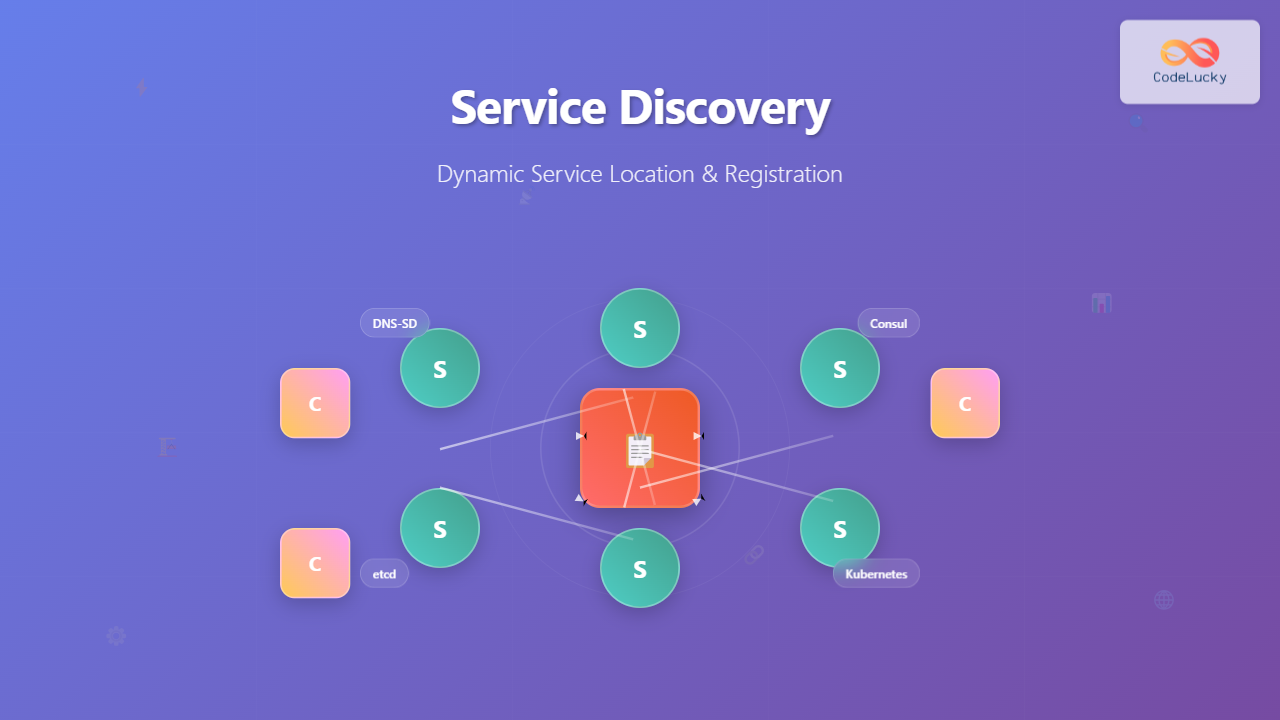
Service discovery is a fundamental mechanism in modern operating systems and distributed architectures that enables services to dynamically locate and communicate with each other without hardcoded network addresses. This critical component forms the backbone of scalable, resilient systems where services can be added, removed, or relocated seamlessly.
Understanding Service Discovery Fundamentals
Service discovery solves the challenge of dynamic service location by providing a standardized way for services to register themselves and for clients to find available services. Unlike traditional static configurations, service discovery adapts to changing network topologies and service deployments in real-time.

Core Components
Every service discovery system consists of several key components:
- Service Registry: Central database storing service locations and metadata
- Registration Process: Mechanism for services to announce their availability
- Discovery Process: Method for clients to query available services
- Health Monitoring: System to track service availability and remove failed instances
- Load Distribution: Logic to distribute requests across multiple service instances
Service Discovery Patterns
Client-Side Discovery
In client-side discovery, the client is responsible for determining the location of available service instances and load balancing requests across them.
import requests
import random

class ServiceDiscoveryClient:
    def __init__(self, registry_url):
        self.registry_url = registry_url
        self.service_cache = {}

    def discover_service(self, service_name):
        # Query service registry
        response = requests.get(f"{self.registry_url}/services/{service_name}")
        if response.status_code == 200:
            instances = response.json()['instances']
            self.service_cache[service_name] = instances
            return instances
        return []

    def call_service(self, service_name, endpoint):
        instances = self.service_cache.get(service_name, [])
        if not instances:
            instances = self.discover_service(service_name)

        if instances:
            # Simple round-robin load balancing
            instance = random.choice(instances)
            return requests.get(f"http://{instance['host']}:{instance['port']}/{endpoint}")

        raise Exception(f"No instances available for {service_name}")

# Usage example
client = ServiceDiscoveryClient("http://registry.local:8500")
response = client.call_service("user-service", "api/users/123")
print(f"Response: {response.json()}")
Server-Side Discovery
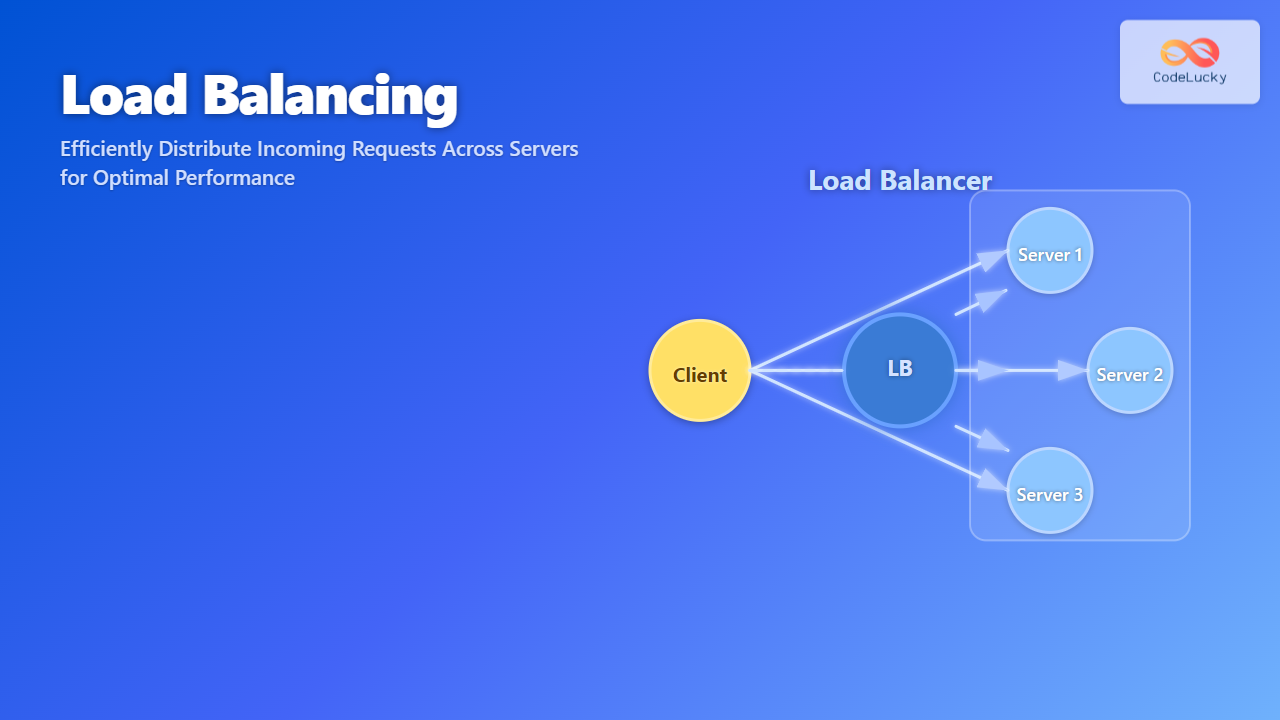
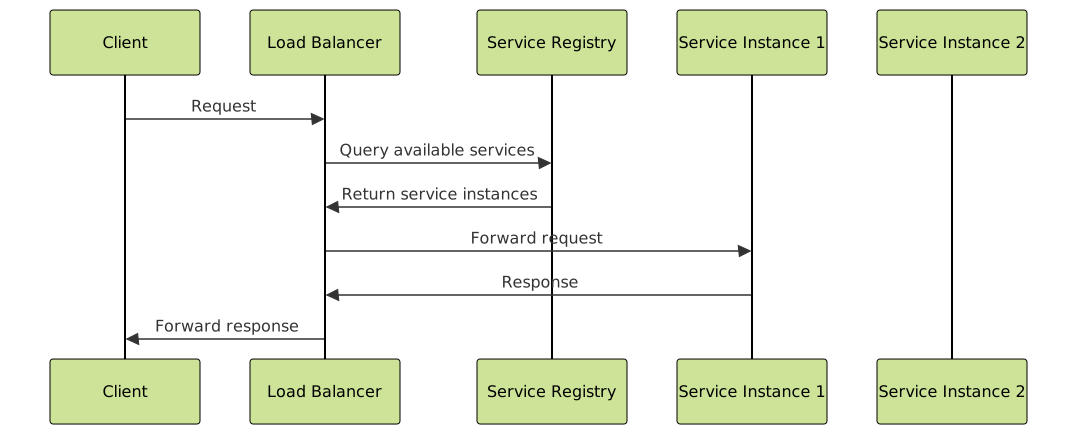
Server-side discovery uses a load balancer that queries the service registry and forwards requests to available instances.
DNS-Based Service Discovery
DNS Service Discovery (DNS-SD)
DNS-SD leverages existing DNS infrastructure to advertise and discover services using special DNS record types.
# Service advertisement using DNS TXT records
_http._tcp.local.    PTR   web-server-1._http._tcp.local.
web-server-1._http._tcp.local.  SRV   0 5 80 webserver1.local.
web-server-1._http._tcp.local.  TXT   "path=/api" "version=1.2"

# Service discovery query
dig PTR _http._tcp.local.

# Output:
# _http._tcp.local.     300  IN  PTR  web-server-1._http._tcp.local.
# _http._tcp.local.     300  IN  PTR  web-server-2._http._tcp.local.
Multicast DNS (mDNS)
mDNS enables service discovery in local networks without requiring a central DNS server, commonly used in zero-configuration networking.
from zeroconf import ServiceInfo, Zeroconf
import socket
import time

class mDNSServicePublisher:
    def __init__(self):
        self.zeroconf = Zeroconf()

    def register_service(self, service_name, service_type, port, properties=None):
        if properties is None:
            properties = {}

        # Get local IP address
        hostname = socket.gethostname()
        local_ip = socket.gethostbyname(hostname)

        info = ServiceInfo(
            service_type,
            f"{service_name}.{service_type}",
            addresses=[socket.inet_aton(local_ip)],
            port=port,
            properties=properties,
            server=f"{hostname}.local."
        )

        self.zeroconf.register_service(info)
        print(f"Service {service_name} registered on {local_ip}:{port}")
        return info

    def unregister_service(self, service_info):
        self.zeroconf.unregister_service(service_info)

    def close(self):
        self.zeroconf.close()

# Usage example
publisher = mDNSServicePublisher()
service_info = publisher.register_service(
    "MyWebService",
    "_http._tcp.local.",
    8080,
    {"path": "/api", "version": "1.0"}
)

try:
    time.sleep(30)  # Keep service registered
finally:
    publisher.unregister_service(service_info)
    publisher.close()
Modern Service Registry Solutions
Consul Implementation
HashiCorp Consul provides a comprehensive service discovery solution with health checking and distributed consensus.
package main

import (
    "fmt"
    "log"
    "github.com/hashicorp/consul/api"
)

type ConsulServiceRegistry struct {
    client *api.Client
}

func NewConsulRegistry(address string) (*ConsulServiceRegistry, error) {
    config := api.DefaultConfig()
    config.Address = address
    client, err := api.NewClient(config)
    if err != nil {
        return nil, err
    }
    return &ConsulServiceRegistry{client: client}, nil
}

func (csr *ConsulServiceRegistry) RegisterService(name, address string, port int) error {
    registration := &api.AgentServiceRegistration{
        ID:      fmt.Sprintf("%s-%s-%d", name, address, port),
        Name:    name,
        Tags:    []string{"api", "v1"},
        Port:    port,
        Address: address,
        Check: &api.AgentServiceCheck{
            HTTP:                           fmt.Sprintf("http://%s:%d/health", address, port),
            Timeout:                        "3s",
            Interval:                       "10s",
            DeregisterCriticalServiceAfter: "90s",
        },
    }

    return csr.client.Agent().ServiceRegister(registration)
}

func (csr *ConsulServiceRegistry) DiscoverServices(serviceName string) ([]*api.ServiceEntry, error) {
    services, _, err := csr.client.Health().Service(serviceName, "", true, nil)
    return services, err
}

func main() {
    registry, err := NewConsulRegistry("localhost:8500")
    if err != nil {
        log.Fatal(err)
    }

    // Register a service
    err = registry.RegisterService("user-service", "192.168.1.100", 8080)
    if err != nil {
        log.Printf("Failed to register service: %v", err)
        return
    }

    // Discover services
    services, err := registry.DiscoverServices("user-service")
    if err != nil {
        log.Printf("Failed to discover services: %v", err)
        return
    }

    for _, service := range services {
        fmt.Printf("Found service: %s at %s:%d\n",
            service.Service.Service,
            service.Service.Address,
            service.Service.Port)
    }
}
Etcd-Based Discovery
Etcd provides a distributed key-value store perfect for service discovery with strong consistency guarantees.
import etcd3
import json
import time
from threading import Thread

class EtcdServiceRegistry:
    def __init__(self, host='localhost', port=2379):
        self.client = etcd3.client(host=host, port=port)
        self.service_prefix = '/services/'

    def register_service(self, service_name, instance_id, host, port, ttl=30):
        key = f"{self.service_prefix}{service_name}/{instance_id}"
        value = json.dumps({
            'host': host,
            'port': port,
            'registered_at': time.time(),
            'status': 'healthy'
        })

        # Register with TTL
        lease = self.client.lease(ttl)
        self.client.put(key, value, lease=lease)

        # Renew lease periodically
        def renew_lease():
            while True:
                try:
                    lease.refresh()
                    time.sleep(ttl // 3)
                except:
                    break

        Thread(target=renew_lease, daemon=True).start()
        return lease

    def discover_services(self, service_name):
        prefix = f"{self.service_prefix}{service_name}/"
        services = []

        for value, metadata in self.client.get_prefix(prefix):
            try:
                service_data = json.loads(value.decode('utf-8'))
                services.append(service_data)
            except json.JSONDecodeError:
                continue

        return services

    def watch_service_changes(self, service_name, callback):
        prefix = f"{self.service_prefix}{service_name}/"
        events_iterator, cancel = self.client.watch_prefix(prefix)

        for event in events_iterator:
            callback(event)

# Usage example
registry = EtcdServiceRegistry()

# Register service
lease = registry.register_service(
    'payment-service',
    'instance-1',
    '192.168.1.101',
    8080
)

# Discover services
services = registry.discover_services('payment-service')
print(f"Discovered services: {services}")

# Watch for changes
def on_service_change(event):
    print(f"Service change detected: {event}")

registry.watch_service_changes('payment-service', on_service_change)
Health Checking and Failure Detection
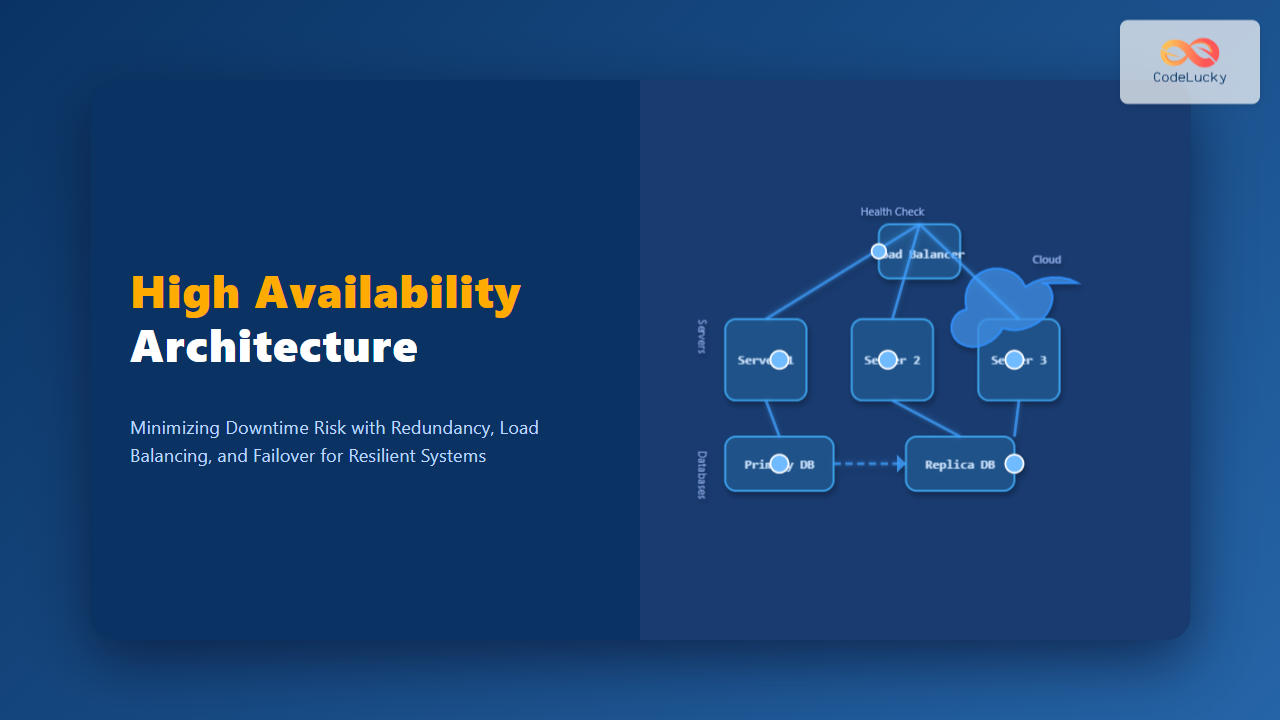
Robust service discovery systems implement comprehensive health checking to ensure only healthy service instances are returned to clients.

import asyncio
import aiohttp
import socket
import time
from enum import Enum

class HealthStatus(Enum):
    HEALTHY = "healthy"
    UNHEALTHY = "unhealthy"
    UNKNOWN = "unknown"

class HealthChecker:
    def __init__(self, check_interval=30):
        self.check_interval = check_interval
        self.services = {}

    def add_service(self, service_id, check_config):
        self.services[service_id] = {
            'config': check_config,
            'status': HealthStatus.UNKNOWN,
            'last_check': None,
            'failure_count': 0
        }

    async def http_health_check(self, url, timeout=5):
        try:
            async with aiohttp.ClientSession(timeout=aiohttp.ClientTimeout(total=timeout)) as session:
                async with session.get(url) as response:
                    return response.status == 200
        except:
            return False

    def tcp_health_check(self, host, port, timeout=5):
        try:
            socket.create_connection((host, port), timeout).close()
            return True
        except:
            return False

    async def check_service_health(self, service_id):
        service = self.services[service_id]
        config = service['config']

        is_healthy = False

        if config['type'] == 'http':
            is_healthy = await self.http_health_check(config['url'])
        elif config['type'] == 'tcp':
            is_healthy = self.tcp_health_check(config['host'], config['port'])

        # Update service status
        if is_healthy:
            service['status'] = HealthStatus.HEALTHY
            service['failure_count'] = 0
        else:
            service['failure_count'] += 1
            if service['failure_count'] >= config.get('failure_threshold', 3):
                service['status'] = HealthStatus.UNHEALTHY

        service['last_check'] = time.time()
        return service['status']

    async def start_health_monitoring(self):
        while True:
            tasks = []
            for service_id in self.services:
                tasks.append(self.check_service_health(service_id))

            if tasks:
                await asyncio.gather(*tasks, return_exceptions=True)

            await asyncio.sleep(self.check_interval)

# Usage example
async def main():
    health_checker = HealthChecker(check_interval=10)

    # Add HTTP health check
    health_checker.add_service('web-service-1', {
        'type': 'http',
        'url': 'http://192.168.1.100:8080/health',
        'failure_threshold': 2
    })

    # Add TCP health check
    health_checker.add_service('db-service-1', {
        'type': 'tcp',
        'host': '192.168.1.101',
        'port': 5432,
        'failure_threshold': 3
    })

    # Start monitoring
    await health_checker.start_health_monitoring()

# asyncio.run(main())
Load Balancing Integration
Service discovery systems often integrate with load balancing mechanisms to distribute traffic across healthy service instances.

import random
import time
from collections import defaultdict
from abc import ABC, abstractmethod

class LoadBalancer(ABC):
    @abstractmethod
    def select_instance(self, instances):
        pass

class RoundRobinBalancer(LoadBalancer):
    def __init__(self):
        self.current_index = 0

    def select_instance(self, instances):
        if not instances:
            return None

        instance = instances[self.current_index % len(instances)]
        self.current_index += 1
        return instance

class WeightedRoundRobinBalancer(LoadBalancer):
    def __init__(self):
        self.current_weights = defaultdict(int)

    def select_instance(self, instances):
        if not instances:
            return None

        # Calculate effective weights
        total_weight = sum(instance.get('weight', 1) for instance in instances)
        max_current_weight = -1
        selected_instance = None

        for instance in instances:
            weight = instance.get('weight', 1)
            instance_id = f"{instance['host']}:{instance['port']}"

            self.current_weights[instance_id] += weight

            if self.current_weights[instance_id] > max_current_weight:
                max_current_weight = self.current_weights[instance_id]
                selected_instance = instance

        if selected_instance:
            instance_id = f"{selected_instance['host']}:{selected_instance['port']}"
            self.current_weights[instance_id] -= total_weight

        return selected_instance

class LeastConnectionsBalancer(LoadBalancer):
    def __init__(self):
        self.connections = defaultdict(int)

    def select_instance(self, instances):
        if not instances:
            return None

        min_connections = float('inf')
        selected_instance = None

        for instance in instances:
            instance_id = f"{instance['host']}:{instance['port']}"
            current_connections = self.connections[instance_id]

            if current_connections < min_connections:
                min_connections = current_connections
                selected_instance = instance

        return selected_instance

    def increment_connections(self, instance):
        instance_id = f"{instance['host']}:{instance['port']}"
        self.connections[instance_id] += 1

    def decrement_connections(self, instance):
        instance_id = f"{instance['host']}:{instance['port']}"
        self.connections[instance_id] = max(0, self.connections[instance_id] - 1)

class ServiceDiscoveryLoadBalancer:
    def __init__(self, discovery_client, balancer):
        self.discovery_client = discovery_client
        self.balancer = balancer
        self.instance_cache = {}
        self.cache_ttl = 30  # seconds

    def get_service_instance(self, service_name):
        now = time.time()

        # Check cache
        if service_name in self.instance_cache:
            cached_data = self.instance_cache[service_name]
            if now - cached_data['timestamp'] < self.cache_ttl:
                instances = cached_data['instances']
            else:
                instances = self._refresh_instances(service_name)
        else:
            instances = self._refresh_instances(service_name)

        # Filter healthy instances
        healthy_instances = [
            instance for instance in instances
            if instance.get('status') == 'healthy'
        ]

        return self.balancer.select_instance(healthy_instances)

    def _refresh_instances(self, service_name):
        instances = self.discovery_client.discover_service(service_name)
        self.instance_cache[service_name] = {
            'instances': instances,
            'timestamp': time.time()
        }
        return instances

# Usage example
class MockDiscoveryClient:
    def discover_service(self, service_name):
        return [
            {'host': '192.168.1.100', 'port': 8080, 'status': 'healthy', 'weight': 3},
            {'host': '192.168.1.101', 'port': 8080, 'status': 'healthy', 'weight': 2},
            {'host': '192.168.1.102', 'port': 8080, 'status': 'healthy', 'weight': 1}
        ]

discovery_client = MockDiscoveryClient()
balancer = WeightedRoundRobinBalancer()
service_lb = ServiceDiscoveryLoadBalancer(discovery_client, balancer)

# Select instances
for i in range(6):
    instance = service_lb.get_service_instance('user-service')
    print(f"Request {i+1}: {instance['host']}:{instance['port']} (weight: {instance['weight']})")
Implementation Best Practices
Caching Strategies
Client-side caching reduces discovery latency and registry load, but requires careful cache invalidation strategies to maintain consistency.
import time
import threading
from dataclasses import dataclass
from typing import List, Optional

@dataclass
class ServiceInstance:
    host: str
    port: int
    status: str
    weight: int = 1
    metadata: dict = None

class CachedServiceDiscovery:
    def __init__(self, discovery_client, cache_ttl=60, refresh_interval=30):
        self.discovery_client = discovery_client
        self.cache_ttl = cache_ttl
        self.refresh_interval = refresh_interval
        self.cache = {}
        self.cache_lock = threading.RLock()
        self.background_refresh = True

        # Start background refresh thread
        self.refresh_thread = threading.Thread(target=self._background_refresh, daemon=True)
        self.refresh_thread.start()

    def get_services(self, service_name) -> List[ServiceInstance]:
        with self.cache_lock:
            now = time.time()

            if service_name in self.cache:
                cache_entry = self.cache[service_name]
                if now - cache_entry['timestamp'] < self.cache_ttl:
                    return cache_entry['instances']

            # Cache miss or expired - fetch fresh data
            return self._refresh_service_cache(service_name)

    def _refresh_service_cache(self, service_name):
        try:
            instances = self.discovery_client.discover_service(service_name)
            service_instances = [
                ServiceInstance(**instance) for instance in instances
            ]

            with self.cache_lock:
                self.cache[service_name] = {
                    'instances': service_instances,
                    'timestamp': time.time()
                }

            return service_instances
        except Exception as e:
            # Return stale data if available
            if service_name in self.cache:
                return self.cache[service_name]['instances']
            raise e

    def _background_refresh(self):
        while self.background_refresh:
            try:
                with self.cache_lock:
                    services_to_refresh = list(self.cache.keys())

                for service_name in services_to_refresh:
                    self._refresh_service_cache(service_name)

                time.sleep(self.refresh_interval)
            except Exception:
                time.sleep(self.refresh_interval)

    def invalidate_cache(self, service_name=None):
        with self.cache_lock:
            if service_name:
                self.cache.pop(service_name, None)
            else:
                self.cache.clear()

    def close(self):
        self.background_refresh = False
        if self.refresh_thread.is_alive():
            self.refresh_thread.join()
Circuit Breaker Pattern
Implementing circuit breakers prevents cascading failures when service discovery or target services become unavailable.
import time
from enum import Enum
from threading import Lock

class CircuitState(Enum):
    CLOSED = "closed"
    OPEN = "open"
    HALF_OPEN = "half_open"

class CircuitBreaker:
    def __init__(self, failure_threshold=5, timeout=60, expected_exception=Exception):
        self.failure_threshold = failure_threshold
        self.timeout = timeout
        self.expected_exception = expected_exception

        self.failure_count = 0
        self.last_failure_time = None
        self.state = CircuitState.CLOSED
        self.lock = Lock()

    def __enter__(self):
        return self

    def __exit__(self, exc_type, exc_val, exc_tb):
        with self.lock:
            if exc_type and issubclass(exc_type, self.expected_exception):
                self._record_failure()
            else:
                self._record_success()
        return False

    def call(self, func, *args, **kwargs):
        with self.lock:
            if self.state == CircuitState.OPEN:
                if self._should_attempt_reset():
                    self.state = CircuitState.HALF_OPEN
                else:
                    raise Exception("Circuit breaker is OPEN")

        try:
            result = func(*args, **kwargs)
            with self.lock:
                self._record_success()
            return result
        except self.expected_exception as e:
            with self.lock:
                self._record_failure()
            raise e

    def _record_success(self):
        self.failure_count = 0
        self.state = CircuitState.CLOSED

    def _record_failure(self):
        self.failure_count += 1
        self.last_failure_time = time.time()

        if self.failure_count >= self.failure_threshold:
            self.state = CircuitState.OPEN

    def _should_attempt_reset(self):
        return (self.last_failure_time and
                time.time() - self.last_failure_time >= self.timeout)

class ResilientServiceDiscovery:
    def __init__(self, discovery_client):
        self.discovery_client = discovery_client
        self.circuit_breaker = CircuitBreaker(failure_threshold=3, timeout=30)
        self.fallback_cache = {}

    def discover_service(self, service_name):
        try:
            instances = self.circuit_breaker.call(
                self.discovery_client.discover_service,
                service_name
            )
            # Update fallback cache on success
            self.fallback_cache[service_name] = instances
            return instances
        except Exception:
            # Return fallback data if available
            if service_name in self.fallback_cache:
                return self.fallback_cache[service_name]
            raise Exception(f"Service discovery failed for {service_name}")
Security Considerations
Service discovery systems require robust security measures to prevent unauthorized service registration and data exposure.
- Authentication: Verify service identity before registration
- Authorization: Control which services can register under specific names
- Encryption: Secure communication between services and registry
- Network Segmentation: Isolate service discovery traffic
- Audit Logging: Track all registration and discovery activities
Performance Optimization
Optimizing service discovery performance involves balancing consistency, availability, and response times through strategic caching, efficient data structures, and smart refresh policies.
Key optimization strategies:
- Implement multi-level caching with appropriate TTL values
- Use connection pooling for registry communications
- Employ background refresh threads to minimize lookup latency
- Implement efficient data serialization formats (protobuf, msgpack)
- Consider geographical distribution of registry nodes
Service discovery forms the foundation of modern distributed systems, enabling dynamic service location and fostering resilient, scalable architectures. By implementing robust discovery mechanisms with proper health checking, load balancing, and security measures, organizations can build systems that adapt seamlessly to changing operational requirements while maintaining high availability and performance.