The Scrum framework has revolutionized how teams approach project management and software development. As one of the most popular agile methodologies, Scrum enables teams to deliver high-quality products iteratively while maintaining flexibility and continuous improvement. This comprehensive guide will walk you through everything you need to know about implementing Scrum successfully in your organization.
What is the Scrum Framework?
Scrum is a lightweight, iterative, and incremental framework designed to help teams work together more effectively. Originally developed for software development, Scrum has expanded across various industries due to its emphasis on collaboration, accountability, and continuous improvement.
The framework is built on empirical process control theory, which relies on transparency, inspection, and adaptation. Rather than following a rigid plan, Scrum teams embrace change and use regular feedback loops to guide their work and improve their processes continuously.
Core Principles of Scrum
Scrum operates on several fundamental principles that distinguish it from traditional project management approaches:
Empirical Process Control: Decisions are based on observation, experience, and experimentation rather than detailed upfront planning. Teams learn and adapt as they progress through the project.
Self-Organization: Teams are given the autonomy to determine how they will accomplish their work. This empowers team members and leads to higher engagement and better solutions.
Collaboration: Close cooperation between all stakeholders, including customers, developers, and business representatives, ensures that everyone works toward common goals.
Value-Based Prioritization: Work is prioritized based on business value, ensuring that the most important features are delivered first.
Time-Boxing: All activities in Scrum are time-boxed, creating a sense of urgency and helping teams focus on what matters most.
The Three Pillars of Scrum
Scrum is built upon three fundamental pillars that support the entire framework:
Transparency
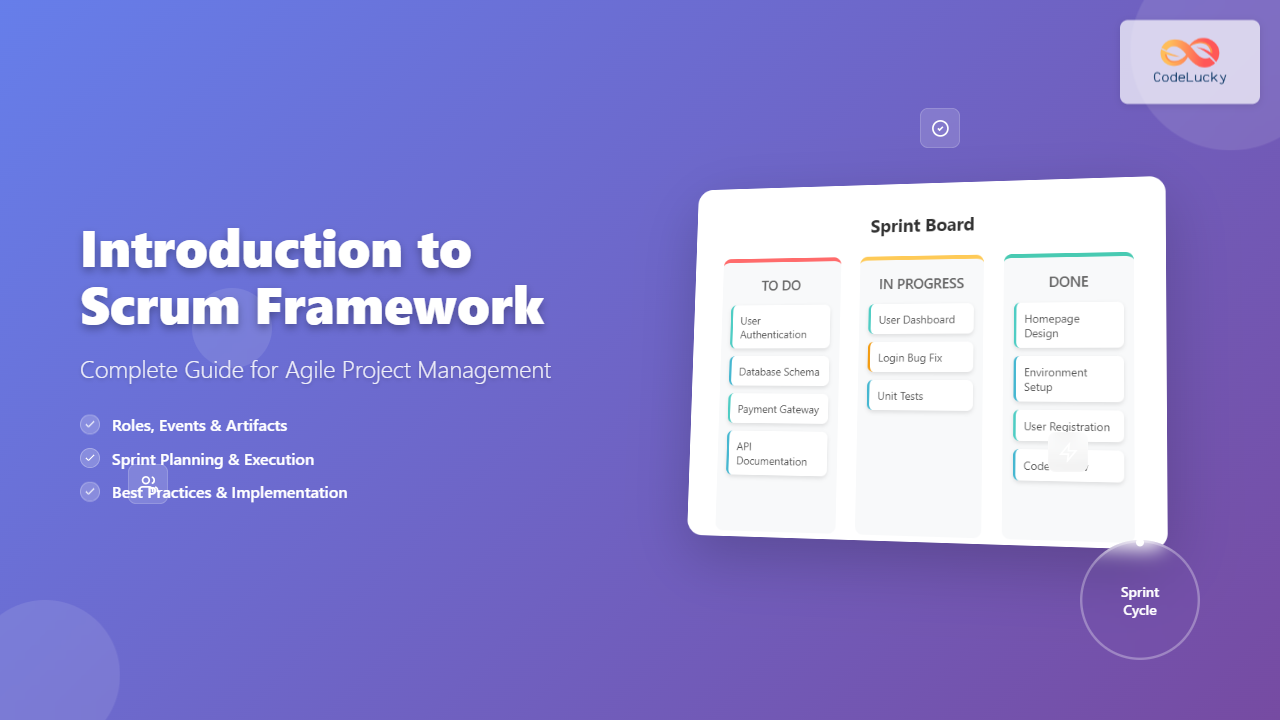
All aspects of the process must be visible to those responsible for the outcome. This includes making work visible through tools like Scrum boards, ensuring that everyone understands the definition of “Done,” and maintaining open communication about progress, challenges, and decisions.
Inspection
Scrum artifacts and progress toward goals must be inspected frequently to detect variances. This happens through various events like Sprint Reviews, Daily Scrums, and Sprint Retrospectives, where teams examine their work and processes.
Adaptation
When inspection reveals that aspects of the process deviate outside acceptable limits, adjustments must be made quickly. Teams continuously adapt their approach based on what they learn from each iteration.
Scrum Roles and Responsibilities
The Scrum framework defines three distinct roles, each with specific responsibilities that contribute to the team’s success:
Product Owner
The Product Owner serves as the voice of the customer and is responsible for maximizing the value of the product. Key responsibilities include:
Product Backlog Management: Creating, maintaining, and prioritizing the Product Backlog to ensure it reflects the most valuable features and requirements.
Stakeholder Communication: Acting as the primary liaison between the development team and stakeholders, ensuring that requirements are clearly communicated and understood.
Vision and Strategy: Maintaining a clear product vision and ensuring that the team’s work aligns with business objectives and user needs.
Acceptance Criteria: Defining clear acceptance criteria for user stories and ensuring that completed work meets quality standards.
Scrum Master
The Scrum Master serves as a facilitator and coach, helping the team follow Scrum practices and remove impediments. Their responsibilities include:
Process Facilitation: Facilitating Scrum events and ensuring they are productive and time-boxed appropriately.
Impediment Removal: Identifying and removing obstacles that prevent the team from achieving their goals.
Coaching and Mentoring: Helping team members understand and implement Scrum practices effectively.
Organizational Change: Working with the organization to create an environment that supports agile practices and continuous improvement.
Development Team
The Development Team consists of professionals who work together to deliver potentially shippable increments of the product. Team characteristics include:
Self-Organization: The team decides how to accomplish their work without external direction on specific tasks.
Cross-Functionality: Team members possess diverse skills necessary to create a product increment without depending on others outside the team.
Collective Ownership: All team members share responsibility for the product’s success and quality.
Optimal Size: Teams typically consist of 3-9 members to maintain effective communication and collaboration.
Scrum Events (Ceremonies)
Scrum defines five formal events that create regularity and minimize the need for meetings not defined in Scrum:
Sprint
The Sprint is the heart of Scrum—a time-boxed iteration of one month or less during which a potentially shippable product increment is created. Sprints have consistent durations throughout the development effort and start immediately after the conclusion of the previous Sprint.
During the Sprint, no changes are made that would endanger the Sprint Goal, quality goals do not decrease, and scope may be clarified and renegotiated between the Product Owner and Development Team as more is learned.
Sprint Planning
Sprint Planning initiates the Sprint by laying out the work to be performed. This collaborative event involves the entire Scrum Team and typically lasts up to eight hours for a one-month Sprint.
The meeting addresses two key questions: What can be delivered in the upcoming Sprint, and how will the chosen work be achieved? The team selects items from the Product Backlog and creates a Sprint Backlog that defines the work needed to achieve the Sprint Goal.
Daily Scrum
The Daily Scrum is a 15-minute time-boxed event for the Development Team to synchronize activities and create a plan for the next 24 hours. Team members typically discuss what they accomplished yesterday, what they plan to do today, and any impediments they face.
This event promotes quick decision-making, improves communication, and helps identify and eliminate impediments early. The Daily Scrum is not a status meeting but a planning session focused on achieving the Sprint Goal.
Sprint Review
The Sprint Review is held at the end of the Sprint to inspect the Increment and adapt the Product Backlog if needed. The Scrum Team and stakeholders collaborate to review what was accomplished during the Sprint and determine what to do next.
This informal meeting focuses on demonstrating the working product increment, gathering feedback, and discussing how the product should evolve based on what was learned.
Sprint Retrospective
The Sprint Retrospective occurs after the Sprint Review and before the next Sprint Planning. This ceremony provides an opportunity for the Scrum Team to inspect itself and create a plan for improvements to be enacted during the next Sprint.
The team identifies what went well, what could be improved, and commits to specific actions that will make the next Sprint more effective and enjoyable.
Scrum Artifacts
Scrum defines three artifacts that provide transparency and opportunities for inspection and adaptation:
Product Backlog
The Product Backlog is an ordered list of everything that is known to be needed in the product. It serves as the single source of requirements for any changes to be made to the product. The Product Owner is responsible for the Product Backlog, including its content, availability, and ordering.
Product Backlog items have attributes such as description, order, estimate, and value. They often include test descriptions that prove completeness when the item is marked as “Done.”
Sprint Backlog
The Sprint Backlog is the set of Product Backlog items selected for the Sprint, plus a plan for delivering the product Increment and realizing the Sprint Goal. It’s a forecast by the Development Team about what functionality will be in the next Increment and the work needed to deliver that functionality.
The Sprint Backlog makes visible all the work that the Development Team identifies as necessary to meet the Sprint Goal, and it belongs solely to the Development Team.
Increment
The Increment is the sum of all the Product Backlog items completed during a Sprint and the value of the increments of all previous Sprints. At the end of a Sprint, the new Increment must be “Done,” meaning it must be in a useable condition and meet the Scrum Team’s definition of Done.
The Increment must be in a potentially shippable state regardless of whether the Product Owner decides to release it.
Implementing Scrum Successfully
Successfully implementing Scrum requires careful planning and commitment from the entire organization. Here are key considerations for a successful transition:
Organizational Readiness
Before implementing Scrum, assess your organization’s readiness for change. This includes evaluating leadership support, team composition, and the willingness to embrace new ways of working. Leadership must understand that Scrum requires a cultural shift toward collaboration, transparency, and continuous improvement.
Training and Education
Invest in proper training for all team members, not just those directly involved in development. Product Owners need to understand their role in backlog management and stakeholder communication, while Scrum Masters require coaching and facilitation skills.
Tool Selection
Choose tools that support Scrum practices without adding unnecessary complexity. Popular options include Jira, Azure DevOps, and Trello, but remember that tools should support your process, not dictate it.
Metrics and Measurement
Establish meaningful metrics to track progress and identify areas for improvement. Key metrics include velocity, burndown charts, cycle time, and team satisfaction. Use these metrics to guide decisions and continuous improvement efforts.
Common Challenges and Solutions
Organizations often face challenges when implementing Scrum. Understanding these common pitfalls can help you avoid them:
Incomplete Product Owner Engagement
When Product Owners are not fully engaged or lack decision-making authority, teams struggle with unclear requirements and changing priorities. Ensure Product Owners have the time, authority, and support needed to fulfill their role effectively.
Resistance to Change
Some team members may resist adopting new practices, especially if they’re comfortable with existing processes. Address this through education, clear communication of benefits, and gradual implementation that allows people to see positive results.
Inadequate Technical Practices
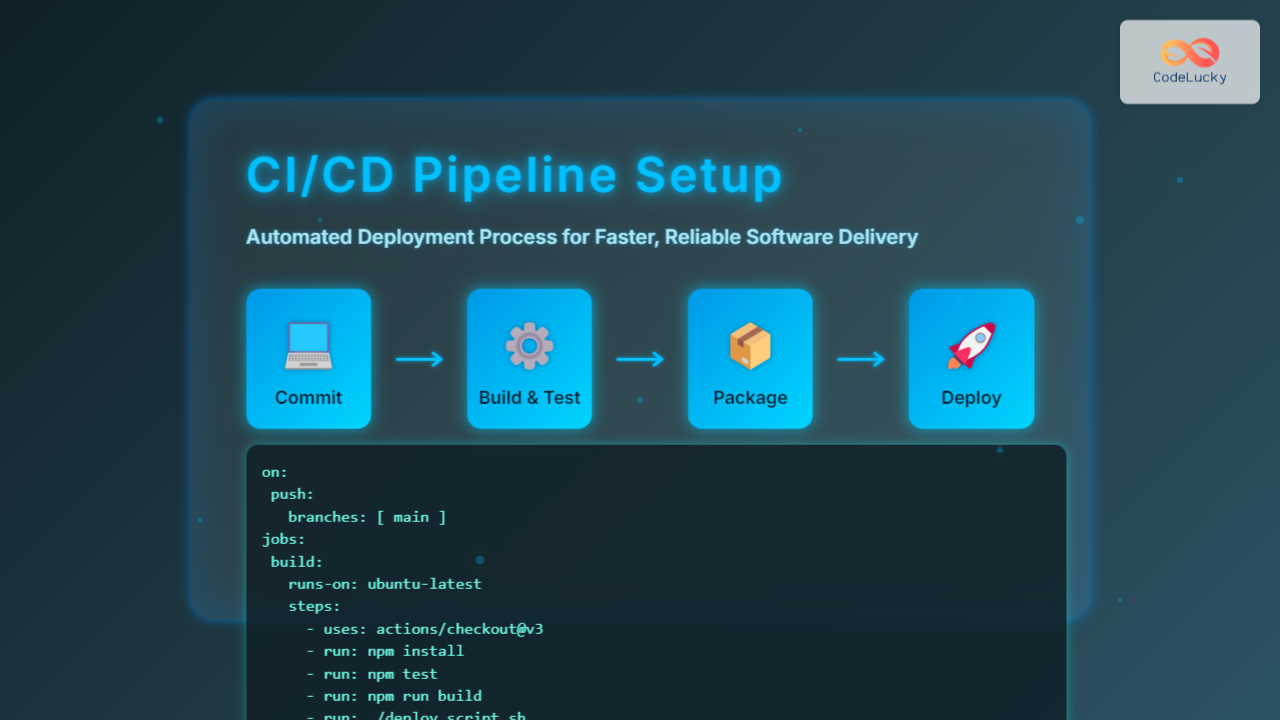
Scrum doesn’t prescribe specific technical practices, but teams need good engineering practices to maintain quality while working at a sustainable pace. Invest in practices like automated testing, continuous integration, and refactoring.
Scaling Challenges
As organizations grow, coordinating multiple Scrum teams becomes complex. Consider frameworks like SAFe (Scaled Agile Framework) or LeSS (Large-Scale Scrum) to address scaling challenges while maintaining agile principles.
Benefits of Using Scrum
Organizations that successfully implement Scrum often experience significant benefits:
Faster Time to Market: Regular iterations and continuous feedback enable teams to deliver valuable features more quickly than traditional approaches.
Improved Quality: Frequent inspection and adaptation, combined with the definition of Done, help maintain high-quality standards throughout development.
Better Stakeholder Satisfaction: Regular Sprint Reviews ensure that stakeholders see progress frequently and can provide feedback early in the development process.
Increased Team Morale: Self-organization and empowerment lead to higher job satisfaction and team engagement.
Enhanced Flexibility: The ability to adapt to changing requirements gives organizations a competitive advantage in dynamic markets.
Best Practices for Scrum Success
To maximize the benefits of Scrum, consider these best practices:
Start Small: Begin with a pilot project or single team to learn and refine your approach before scaling to the entire organization.
Focus on Values: Emphasize Scrum values of commitment, courage, focus, openness, and respect in all team interactions.
Embrace Failure: View failures as learning opportunities and encourage experimentation within safe-to-fail boundaries.
Invest in People: Provide ongoing training and support to help team members grow in their roles and adapt to changing needs.
Measure and Improve: Regularly assess your Scrum implementation and make adjustments based on what you learn.
Conclusion
The Scrum framework provides a proven approach to managing complex product development while maintaining flexibility and focus on delivering value. Success with Scrum requires commitment to its principles, proper training, and a culture that supports collaboration and continuous improvement.
By understanding the roles, events, and artifacts that make up Scrum, teams can work more effectively together to create products that delight customers and achieve business objectives. Remember that Scrum is a journey of continuous learning and improvement—embrace the process, learn from experience, and adapt your approach as you grow.
Whether you’re just starting with agile practices or looking to improve your current Scrum implementation, focus on the fundamentals outlined in this guide while remaining open to adaptation based on your team’s unique needs and circumstances.
Related Posts

Scrum of Scrums: Complete Guide to Coordinating Multiple Agile Teams
When organizations scale their Agile practices beyond a single team, coordinating multiple Scrum teams becomes a critical challenge. Scrum of...
Scrum Development Team: Complete Guide to Roles, Responsibilities and Best Practices
What is a Scrum Development Team? The Scrum Development Team is the heart of any successful Agile project, consisting of...

Agile Philosophy: Understanding Core Principles and Values for Modern Software Development
Introduction to Agile Philosophy Agile philosophy represents a fundamental shift in how software development teams approach project management, collaboration, and...
Scrumban: The Ultimate Hybrid Methodology for Agile Teams
What is Scrumban? Scrumban is a hybrid agile methodology that combines the structured framework of Scrum with the visual workflow...

Benefits of Agile Methodology: Why Teams Choose Agile for Project Success
Agile methodology has revolutionized how teams approach project management and software development. Since its introduction through the Agile Manifesto in...
What is Agile Methodology: Complete Beginner’s Guide to Modern Software Development
Agile methodology has revolutionized how software development teams work, moving away from rigid traditional approaches to embrace flexibility, collaboration, and...
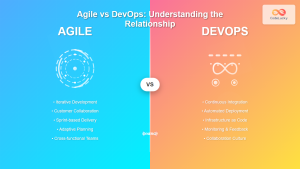
Agile vs DevOps: Understanding the Relationship Between Two Powerful Software Development Methodologies
In today's fast-paced software development landscape, organizations are constantly seeking methodologies that can accelerate delivery while maintaining quality. Two prominent...
Agile Training: Complete Guide to Building High-Performance Team Capabilities
Agile training has become the cornerstone of modern software development and project management success. Organizations worldwide are investing heavily in...

Scrum Events: Sprint Planning, Daily Scrum, Sprint Review, Retrospective
Scrum events form the backbone of the Scrum framework, providing structured opportunities for inspection, adaptation, and collaboration throughout each sprint....

Stakeholder Management: Complete Guide to Engaging All Parties in Agile Projects
Effective stakeholder management is the cornerstone of successful Agile projects. In today's complex business environment, projects involve multiple parties with...
Agile Governance: Mastering the Balance Between Control and Flexibility in Modern Organizations
Agile governance represents one of the most critical challenges facing modern organizations today. As businesses strive to remain competitive in...
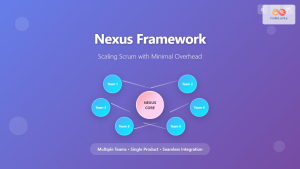
Nexus Framework: Master Scaling Scrum with Minimal Overhead for Large Teams
The Nexus Framework represents a revolutionary approach to scaling Scrum that maintains the core principles of agility while enabling multiple...