Risk Management is the cornerstone of successful investing. Whether you’re a retail investor or a professional fund manager, understanding and mitigating portfolio risk can mean the difference between steady growth and sudden loss. In this comprehensive guide from CodeLucky.com, we’ll explore how to reduce portfolio risk using practical strategies, visual models, and modern finance tools — all designed to strengthen your investment foundation for 2025 and beyond.
What Is Portfolio Risk?
Portfolio risk refers to the potential for losses due to fluctuations in the market value of a collection of assets. It’s influenced by factors such as market volatility, interest rates, geopolitical events, and company-specific news.
While risk cannot be eliminated completely, it can be managed and redistributed effectively to align with your investment goals and risk tolerance.
Main Types of Portfolio Risk
- Systematic Risk: Market-wide risks that cannot be diversified away (e.g., inflation, interest rates, recessions).
- Unsystematic Risk: Asset-specific risks (e.g., company performance, management errors, competition).
- Liquidity Risk: When you cannot sell an asset quickly at a fair price.
- Currency Risk: Exposure to changes in foreign exchange rates.
- Interest Rate Risk: Particularly affects bond investments when rates fluctuate.
How to Reduce Portfolio Risk
The process begins with creating a balanced investment structure and using multiple defense layers. Let’s walk through the most effective strategies.
1. Diversification: Don’t Put All Eggs in One Basket
Diversification means spreading investments across different asset classes, sectors, and geographies. The goal is to minimize the impact of a single underperforming investment on your overall portfolio.
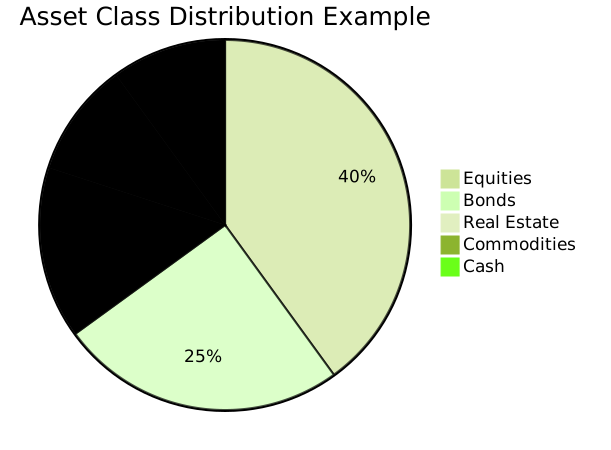
For instance, if your stock portfolio suffers a temporary loss, your bond and real estate holdings might maintain stability, offsetting potential damage.
2. Asset Allocation: Match Risk with Goals
Asset allocation goes hand in hand with diversification. It’s the process of dividing investments based on your risk appetite, investment duration, and financial goals.
| Investor Type | Stocks | Bonds | Cash |
|---|---|---|---|
| Conservative | 30% | 60% | 10% |
| Balanced | 50% | 40% | 10% |
| Aggressive | 70% | 25% | 5% |
Regular rebalancing ensures that your portfolio maintains its intended structure as markets change.
3. Hedging: Offsetting Potential Losses
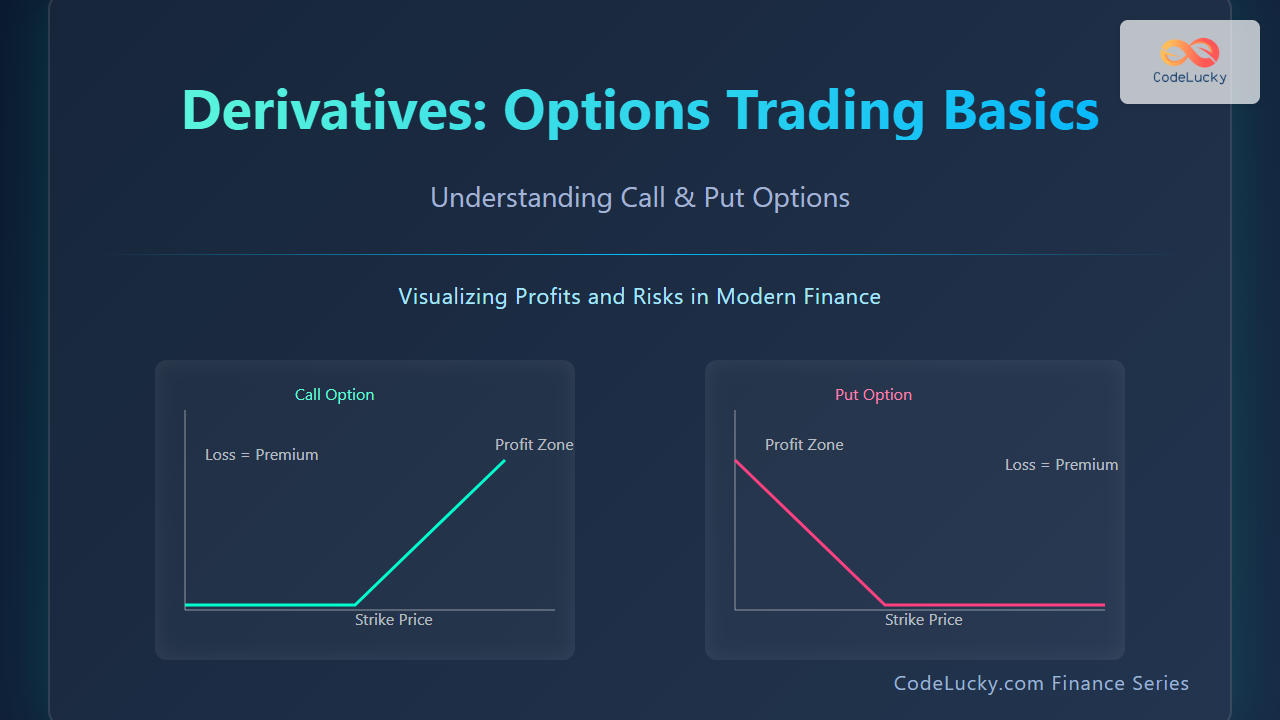
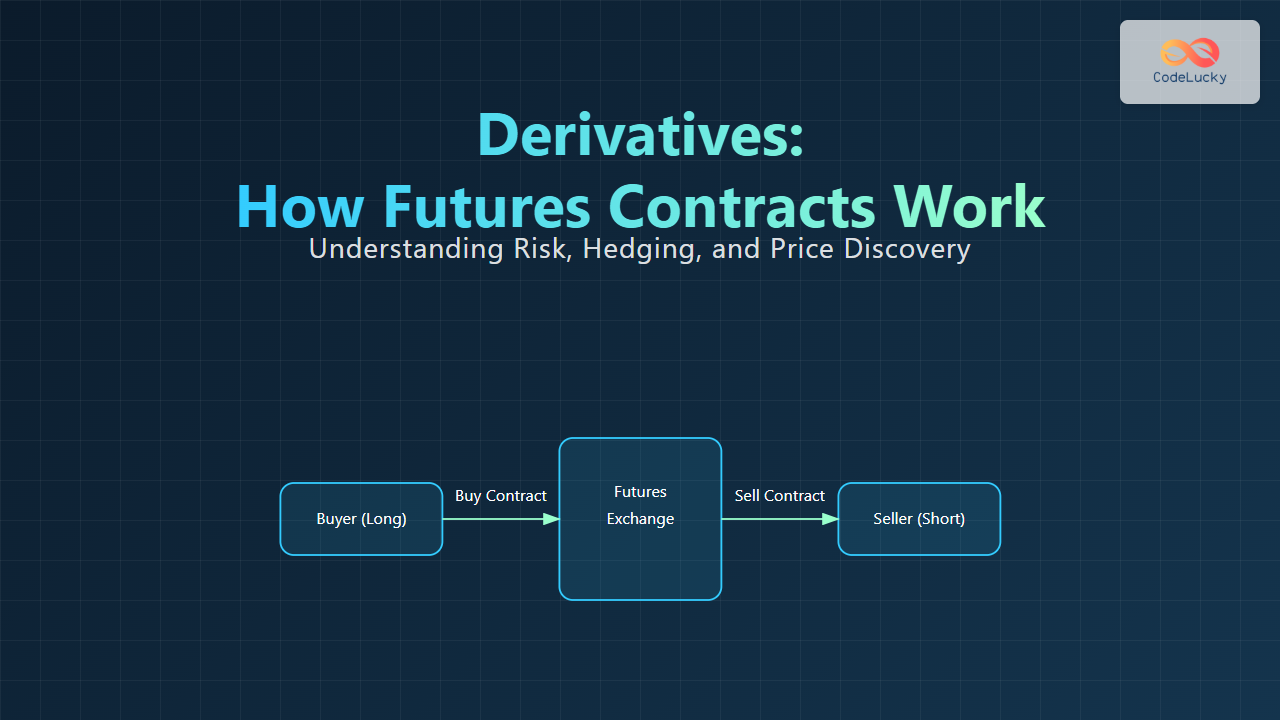
Hedging involves using financial instruments such as options, futures, or exchange-traded funds (ETFs) to protect against declines. For example, buying a put option for a stock you own sets a floor on its potential loss.
This technique is similar to insurance — you pay a premium (cost of hedge) for peace of mind during market downturns.
4. Use of Stop-Loss Orders
Stop-loss orders automatically sell an asset once its price reaches a predetermined level, helping investors limit losses without constant monitoring.
Example: If you buy a stock for ₹100 and set a stop-loss at ₹90, your broker will automatically sell when the price drops to ₹90 — minimizing damages before a deeper fall.
5. Correlation Control: Mix Assets That React Differently
The strength of a well-designed portfolio comes from mixing assets with low or negative correlation. When one goes down, another tends to go up, stabilizing the overall return.

For example, when equity markets fall, gold or government bonds often rise, acting as natural diversifiers.
6. Dollar-Cost Averaging
Instead of investing a lump sum, purchase assets in regular intervals. This approach averages out the purchase price, reducing the timing risk associated with market fluctuations.

The technique benefits investors in volatile markets by smoothing entry points and mitigating emotional decision-making.
7. Regular Portfolio Review and Rebalancing
Market dynamics constantly shift, which means your risk exposure changes over time. A quarterly or annual review helps realign your portfolio with your goals and lifestyle changes.
Example: If your equity holdings grow from 50% to 65% due to a rally, selling some stocks and reinvesting in bonds may restore the target balance.
Interactive Exercise Example
Try this simple interactive check (conceptual):
- Take your top 5 investments and note their percentage in your portfolio.
- Identify which of these are in the same sector or asset class.
- If more than 40% are concentrated in one area, you have a diversification risk.
- Simulate a 10% drop in that asset group — observe its impact on your portfolio total.
This quick audit opens your eyes to hidden risks that appear small until stress-tested.
Risk Management Tools and Metrics
Financial professionals rely on measurable indicators to evaluate portfolio risk.
- Beta: Measures volatility relative to the market (1 = same volatility as market).
- Sharpe Ratio: Measures risk-adjusted performance — higher is better.
- Value at Risk (VaR): Estimates potential losses for given confidence intervals.
- Standard Deviation: Shows how much returns deviate from the average.
Final Thoughts
Reducing portfolio risk isn’t about avoiding risk altogether — it’s about managing it wisely. By combining diversification, smart allocation, regular reviews, and modern hedging tools, investors can build resilient portfolios capable of weathering volatility and achieving sustainable growth.
In 2025, data analytics, AI tools, and algorithmic insights make professional-quality risk management accessible even to everyday investors. The earlier you begin balancing your risk-reward equation, the smoother your financial journey becomes.
Written with expertise and clarity for CodeLucky.com — your source for smart, practical finance knowledge.