Investment risk is one of the most fundamental concepts in finance. It refers to the uncertainty of returns that investors face when allocating money into financial instruments such as stocks, bonds, or real estate. Understanding risk management allows investors to make informed decisions, balancing potential rewards with acceptable risk levels to achieve long-term goals.
What Is Investment Risk?
Investment risk is the probability that the actual return on an investment will differ from the expected return. Every type of investment carries some level of risk—ranging from market volatility to inflation or liquidity issues. Managing this risk effectively enables investors to protect capital and stabilize portfolio returns over time.
Example Scenario
Imagine two investors—Amit and Reena. Amit invests all his money in a single tech stock, while Reena diversifies across technology, energy, and healthcare sectors. When the tech market faces a downturn, Amit loses a large portion of his portfolio value, while Reena experiences only a mild dip due to diversification. This example shows how understanding and managing investment risk can prevent substantial losses.

Types of Investment Risks
Investment risk is not a single entity. It is a combination of various factors that influence the performance of assets. Below are the major categories:
1. Market Risk
This is the risk of losing value due to fluctuations in market conditions such as equity prices, interest rates, or currency exchange rates. For example, when global markets crash, most asset classes tend to lose value simultaneously.
2. Inflation Risk
The purchasing power of money can decline over time due to inflation. Even if your investment earns positive returns, if inflation outpaces those gains, your real wealth decreases. Fixed-income instruments are especially vulnerable to this risk.
3. Credit Risk
This arises when borrowers or bond issuers fail to make timely interest or principal payments. It is most common in corporate and government bonds. For instance, a company defaulting on its bond payments directly affects bondholders’ returns.
4. Liquidity Risk
Liquidity risk occurs when an investor cannot sell an asset quickly without significantly impacting its price. Real estate and private equity investments often carry higher liquidity risks than publicly traded stocks.
5. Political and Regulatory Risk
Changes in government policies, taxation, or regulations can alter investment outcomes. Investors in international markets especially must evaluate geopolitical factors when investing abroad.
Visual Summary

Understanding Risk vs. Return
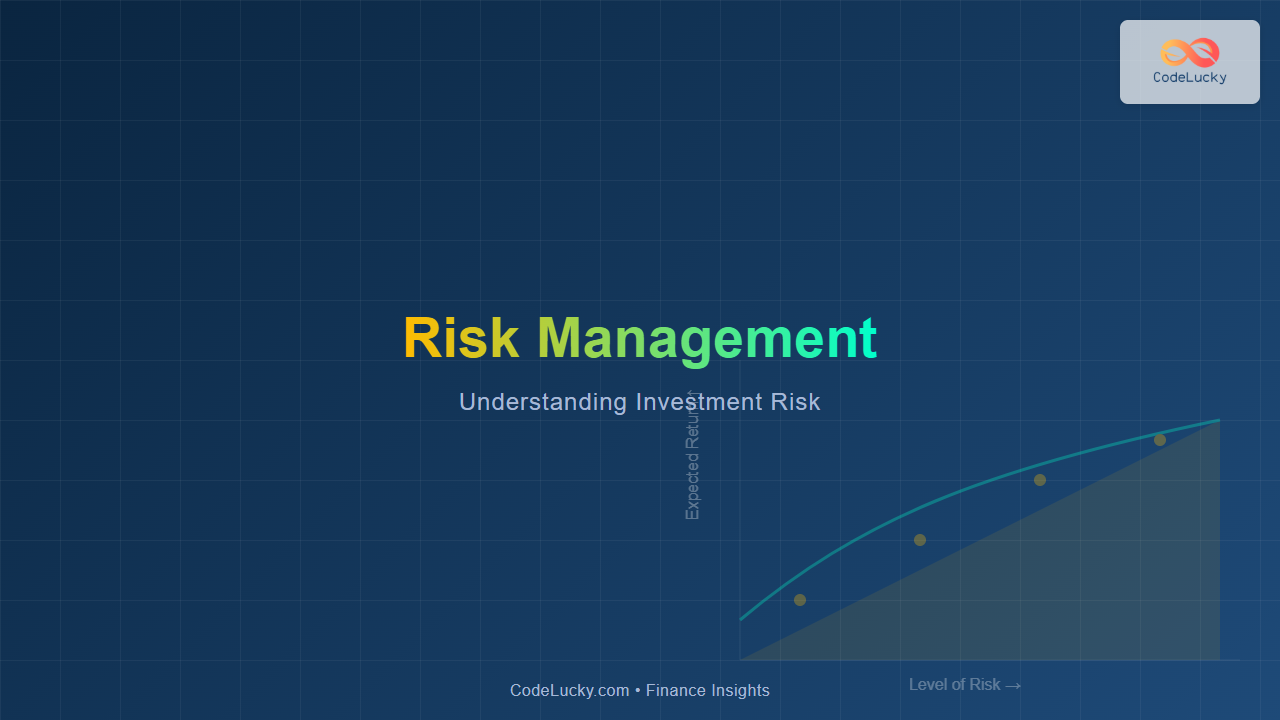
The relationship between risk and return is fundamental in investment theory: higher potential returns usually come with higher levels of risk. Investors must find their personal risk tolerance—how much risk they can emotionally and financially handle.

Balancing risk and return is crucial. Conservative investors might prefer stable instruments, while aggressive investors pursue higher-risk assets for potentially greater gains.
Key Principles of Risk Management
Risk management is the process of identifying, analyzing, and mitigating uncertainties in investment decisions. Below are the most commonly applied strategies:
1. Diversification
Spread investments across various asset classes and geographies. This reduces the impact of a poor-performing investment on the overall portfolio.
2. Asset Allocation
Maintain an appropriate mix of stocks, bonds, and other assets that reflects your risk tolerance and investment horizon.
3. Hedging
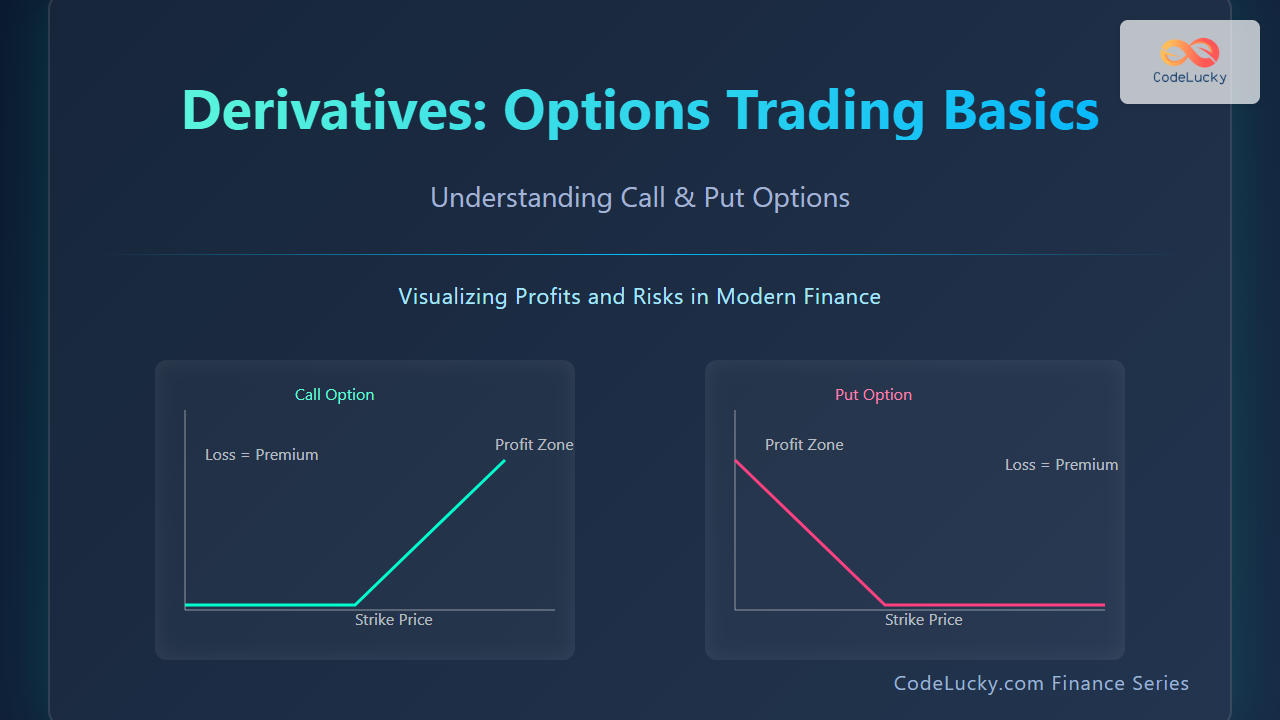
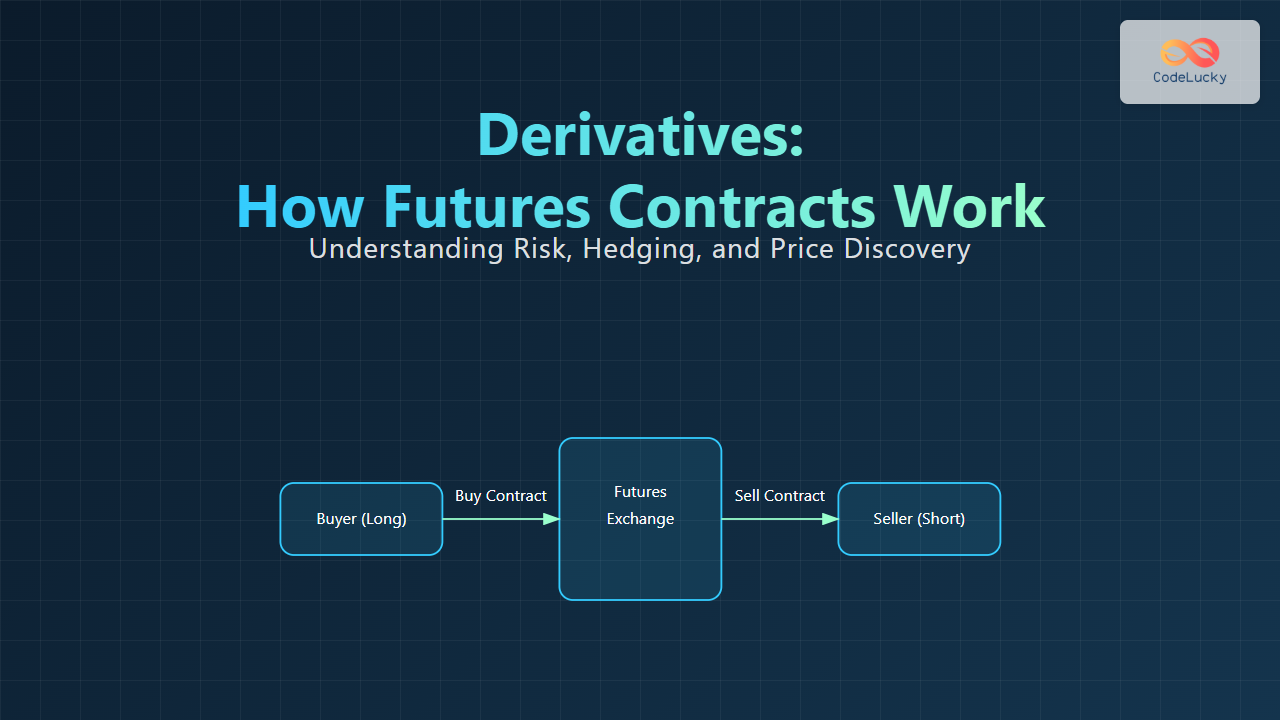
Use financial instruments like options and futures to offset potential losses. For example, purchasing put options on a stock can protect against price declines.
4. Regular Portfolio Rebalancing
Market changes often shift your asset allocation. Periodic rebalancing ensures that your portfolio remains aligned with your risk strategy.
5. Risk Assessment Tools
Modern investors employ statistical tools like Value at Risk (VaR) or Monte Carlo simulations to estimate potential losses under different market conditions.
Visual Flow of Risk Management Process

Practical Example: Portfolio Risk Assessment
Suppose your investment portfolio includes 50% stocks, 30% bonds, and 20% real estate. The average expected return is 8%, but you notice that market volatility has increased. Through risk assessment, you may decide to shift some stock holdings into bonds to reduce exposure to short-term losses.
Interactive Scenario (Thought Exercise)
Consider your own financial goals—would you prefer consistent but lower returns, or are you willing to tolerate short-term losses for potentially higher rewards? Think of your priorities: stability or growth. This mental exercise helps clarify your risk appetite.
Technological Tools for Risk Management
Today, investors have access to advanced analytics and AI tools that predict market risk patterns. Platforms use machine learning to analyze massive data sets, enabling better forecasting of investment performance and improved decision-making. Even personal finance apps now include risk profiling features based on user data and global trends.
Conclusion
Understanding investment risk and applying robust risk management techniques forms the bedrock of financial success. By diversifying, assessing risk, and aligning investments with your goals, you can build a stable, resilient portfolio that thrives even in uncertain times. In modern finance, managing risk isn’t about eliminating uncertainty—it’s about controlling it intelligently for sustainable wealth growth.
CodeLucky.com aims to empower you with knowledge-driven insights to make smarter, risk-aware investment decisions.