Psychological safety stands as the cornerstone of high-performing Agile teams, representing the shared belief that team members can express ideas, concerns, and mistakes without fear of negative consequences. In today’s rapidly evolving software development landscape, teams that cultivate psychological safety consistently outperform their counterparts in innovation, productivity, and overall job satisfaction.
Understanding Psychological Safety in Agile Contexts
Psychological safety, a term coined by Harvard Business School professor Amy Edmondson, refers to a team climate characterized by interpersonal trust and mutual respect. In Agile environments, this concept becomes particularly crucial as teams rely heavily on collaboration, frequent feedback, and continuous improvement.
When team members feel psychologically safe, they’re more likely to participate actively in daily standups, retrospectives, and sprint planning sessions. They share honest feedback during code reviews, admit when they don’t understand requirements, and propose innovative solutions without fear of ridicule or punishment.
The Foundation of Trust-Based Teams
Trust serves as the fundamental building block of psychological safety. Without trust, team members retreat into defensive behaviors, withholding valuable insights and avoiding necessary risks. In Agile teams, this manifests as:
- Silent suffering: Developers struggling with technical challenges but afraid to ask for help
- Artificial harmony: Team members agreeing publicly while harboring private concerns
- Blame culture: Focus on individual accountability rather than collective problem-solving
- Innovation stagnation: Reluctance to propose new ideas or challenge existing processes
Benefits of Psychological Safety in Agile Teams
Research consistently demonstrates that psychologically safe teams deliver superior results across multiple dimensions. Google’s Project Aristotle identified psychological safety as the most important factor distinguishing high-performing teams from average ones.
Enhanced Learning and Innovation
Psychologically safe environments encourage experimentation and learning from failure. Team members feel comfortable sharing half-formed ideas, leading to breakthrough innovations. In Agile contexts, this translates to more effective sprint retrospectives where teams honestly examine what went wrong and why, leading to meaningful process improvements.
Improved Problem-Solving Capabilities
When team members trust each other, they’re more likely to surface problems early rather than hiding them until they become critical issues. This early detection mechanism is essential in Agile development, where small problems can quickly escalate into major blockers if left unaddressed.
Increased Employee Engagement and Retention
Developers working in psychologically safe environments report higher job satisfaction, reduced stress levels, and stronger commitment to their teams and organizations. This leads to lower turnover rates and reduced hiring costs, particularly important in today’s competitive tech talent market.
Identifying Barriers to Psychological Safety
Before building psychological safety, teams must recognize and address existing barriers. Common obstacles include hierarchical communication patterns, perfectionist cultures, and competitive individual performance metrics.
Hierarchical Communication Patterns
Traditional command-and-control management structures can inhibit psychological safety by creating power imbalances. When junior developers feel they can’t question senior team members’ decisions or when product owners dismiss developer concerns without consideration, psychological safety erodes.
Perfectionist Culture
Organizations that penalize mistakes create environments where team members hide problems rather than addressing them openly. This perfectionist mindset contradicts Agile principles of iterative improvement and learning from failure.
Individual Performance Focus
When organizations emphasize individual achievements over team success, members become reluctant to help colleagues or share knowledge that might benefit others. This competitive dynamic undermines the collaborative spirit essential to Agile success.
Strategies for Building Psychological Safety
Creating psychological safety requires intentional effort and consistent reinforcement. Leaders and team members must work together to establish and maintain an environment where trust can flourish.
Lead with Vulnerability
Leaders must model the behavior they want to see by admitting their own mistakes and uncertainties. When a Scrum Master acknowledges they don’t know the answer to a question or when a product owner admits they made an error in requirements gathering, it gives permission for others to be equally honest.
Establish Clear Communication Norms
Teams should explicitly discuss and agree upon communication standards that promote psychological safety. These might include:
- Assuming positive intent in all interactions
- Asking questions for understanding rather than to challenge
- Providing specific, actionable feedback rather than general criticism
- Celebrating learning opportunities, including those that arise from mistakes
Implement Blameless Post-Mortems
When incidents or failures occur, focus on understanding systemic issues rather than assigning individual blame. Blameless post-mortems encourage honest discussion about what went wrong and how to prevent similar issues in the future.
Practical Techniques for Daily Implementation
Building psychological safety isn’t a one-time initiative but rather an ongoing practice that requires consistent attention and reinforcement through daily interactions and team rituals.
Structured Check-ins
Begin each sprint with team check-ins that go beyond task status updates. Ask team members about their energy levels, concerns, and support needs. This practice helps identify potential issues early and demonstrates genuine care for team member well-being.
Regular Feedback Loops
Implement frequent, low-stakes feedback opportunities through techniques like:
- Plus-Delta retrospectives: Focus on what’s working well and what could be improved
- Start-Stop-Continue exercises: Identify behaviors to start doing, stop doing, and continue doing
- Anonymous feedback tools: Allow team members to share sensitive concerns without attribution
Celebration of Learning
Publicly recognize and celebrate instances where team members took intelligent risks, asked important questions, or learned from mistakes. This reinforcement helps establish psychological safety as a team value rather than just a concept.
Measuring Psychological Safety
To improve psychological safety, teams need ways to measure their current state and track progress over time. Several assessment methods can provide valuable insights into team dynamics.
Edmondson’s Team Learning Survey
Amy Edmondson developed a seven-question survey that measures team psychological safety. Questions include items like “If you make a mistake on this team, it is often held against you” and “Members of this team are able to bring up problems and tough issues.”
Behavioral Indicators
Observable behaviors can indicate the level of psychological safety within a team:
- Frequency of questions asked during meetings
- Willingness to admit mistakes or knowledge gaps
- Level of participation in retrospectives and planning sessions
- Speed of escalating problems or blockers
- Diversity of ideas generated during brainstorming sessions
Regular Team Health Checks
Conduct quarterly assessments using anonymous surveys, focus groups, or facilitated discussions to gauge team members’ comfort levels with speaking up, asking for help, and challenging ideas.
Role of Leadership in Fostering Psychological Safety
Leadership plays a crucial role in creating and maintaining psychological safety. This includes not only formal managers but also informal leaders within Agile teams, such as senior developers, architects, and experienced team members.
Creating Safe-to-Fail Experiments
Leaders should encourage experimentation by framing initiatives as learning opportunities rather than success-or-failure propositions. This approach reduces the perceived risk of trying new approaches and encourages innovation.
Responding to Failure Constructively
How leaders respond to mistakes and failures significantly impacts psychological safety. Constructive responses focus on learning, system improvements, and support rather than blame and punishment.
Active Listening and Inquiry
Leaders must demonstrate genuine curiosity about team members’ perspectives, asking follow-up questions and showing they value diverse viewpoints. This behavior encourages others to share their thoughts and concerns openly.
Common Pitfalls and How to Avoid Them
Even well-intentioned efforts to build psychological safety can encounter obstacles. Understanding common pitfalls helps teams navigate challenges more effectively.
Confusing Psychological Safety with Lowered Standards
Psychological safety doesn’t mean accepting poor performance or avoiding difficult conversations. Instead, it creates an environment where high standards can be maintained while supporting team members’ growth and development.
Inconsistent Application
Psychological safety must be consistently maintained across all team interactions. Inconsistent application, where some situations feel safe while others don’t, undermines trust and creates confusion about team norms.
Lack of Follow-Through
When team members raise concerns or suggestions, leaders must follow through with meaningful responses or actions. Ignoring input or failing to provide updates on suggested improvements quickly erodes psychological safety.
Long-term Impact on Agile Transformation
Organizations investing in psychological safety often see transformative effects that extend far beyond individual teams. These changes support broader Agile transformation initiatives and create sustainable competitive advantages.
Accelerated Learning Cycles
Psychologically safe teams learn faster because they’re more willing to experiment, fail quickly, and iterate based on feedback. This acceleration supports Agile principles of continuous improvement and adaptation.
Enhanced Cross-team Collaboration
As psychological safety spreads throughout an organization, it improves collaboration between teams, departments, and stakeholders. This enhanced cooperation is essential for scaling Agile practices across large organizations.
Improved Customer Outcomes
Teams with high psychological safety are more likely to surface potential customer issues early, propose innovative solutions, and deliver higher-quality products. This customer focus aligns with Agile values of customer collaboration and responding to change.
Sustaining Psychological Safety Over Time
Building psychological safety is an ongoing process that requires continuous attention and reinforcement. Teams must actively work to maintain and strengthen their safe environment as they evolve and face new challenges.
Regular Assessment and Adjustment
Schedule regular team health checks to assess psychological safety levels and identify areas for improvement. Use these insights to adjust team practices and address emerging concerns proactively.
Onboarding New Team Members
When new members join the team, explicitly discuss psychological safety expectations and help them understand the team’s communication norms and values. This orientation helps preserve the safe environment as team composition changes.
Continuous Learning and Development
Invest in ongoing training and development opportunities related to communication, feedback, and team dynamics. This investment demonstrates organizational commitment to maintaining psychological safety.
Psychological safety represents more than just a nice-to-have team characteristic; it’s a fundamental requirement for high-performing Agile teams. By intentionally building trust, encouraging open communication, and creating environments where team members feel safe to take risks and learn from mistakes, organizations can unlock their teams’ full potential and achieve sustainable competitive advantages in today’s rapidly changing business landscape.
Related Posts

Agile Team Dynamics: Building High-Performance Teams That Deliver Results
Agile team dynamics form the backbone of successful software development projects, determining whether teams thrive or struggle in today's fast-paced...
Feedback Culture: Building High-Performance Teams Through Continuous Learning
Creating a robust feedback culture is the cornerstone of successful Agile teams and organizations committed to continuous improvement. In today's...
Agile Mindset: Developing the Right Mental Framework for Software Success
The agile mindset represents far more than following a set of practices or ceremonies—it's a fundamental shift in how we...
Scaled Agile Framework (SAFe): Complete Guide to Enterprise Agile Transformation
What is the Scaled Agile Framework (SAFe)? The Scaled Agile Framework (SAFe) is a comprehensive methodology designed to help large...

Facilitation Skills: Essential Guide to Guiding Effective Agile Team Interactions
Effective facilitation is the cornerstone of successful Agile teams. Whether you're a Scrum Master, Product Owner, or team lead, mastering...
Agile Psychology: Understanding Team Behavior and Mental Dynamics in Software Development
The success of Agile methodologies extends far beyond frameworks and processes—it's deeply rooted in understanding human psychology and team behavior....
Conflict Resolution: Mastering Healthy Team Disagreements in Agile Development
Conflict in Agile teams isn't just inevitable—it's essential for innovation and growth. When managed effectively, healthy disagreements become the catalyst...
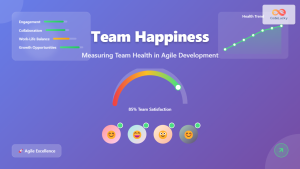
Team Happiness: Measuring Team Health in Agile Development
Team happiness isn't just a feel-good metric—it's a critical indicator of your Agile team's long-term success and productivity. Research consistently...
Change Management: Overcoming Resistance in Agile Transformations
Change management in Agile environments presents unique challenges that require strategic approaches and deep understanding of human psychology. As organizations...
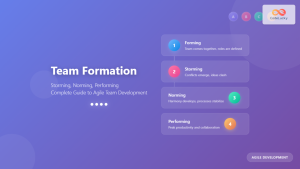
Team Formation: Storming, Norming, Performing – Complete Guide to Agile Team Development Stages
Team formation in Agile environments follows a predictable pattern that every project manager and team leader must understand. Bruce Tuckman's...
Hero Culture: Individual Over Team – Breaking the Agile Anti-Pattern
Understanding Hero Culture in Agile Development Hero culture represents one of the most pervasive anti-patterns in Agile software development, where...
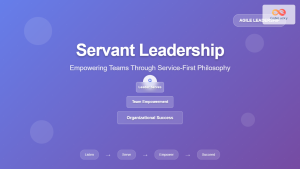
Servant Leadership: Complete Guide to Agile Leadership Philosophy and Implementation
Servant leadership represents a fundamental shift from traditional command-and-control management to a philosophy that prioritizes serving others first. In Agile...