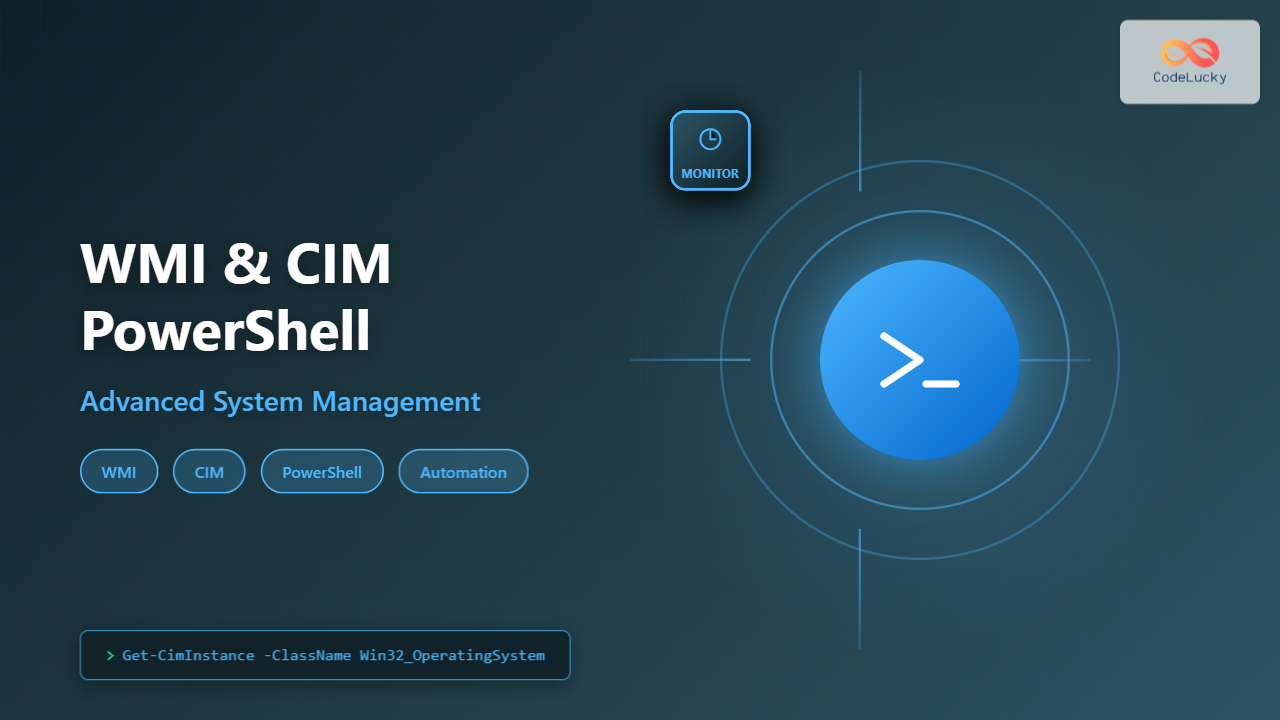
The kill command is one of the most essential tools in Linux system administration, allowing users to terminate processes by their Process ID (PID). Whether you’re dealing with unresponsive applications, managing system resources, or performing routine maintenance, understanding how to use the kill command effectively is crucial for any Linux user.
What is the kill Command?
The kill command in Linux is used to send signals to processes, typically to terminate them. Despite its name, the kill command doesn’t always “kill” processes—it sends various types of signals that processes can respond to in different ways. The most common use case is terminating processes that are no longer needed or have become unresponsive.
Basic Syntax of kill Command
The basic syntax of the kill command follows this pattern:
kill [OPTIONS] [SIGNAL] PID(s)Where:
- OPTIONS: Command-line flags that modify behavior
- SIGNAL: The type of signal to send (optional)
- PID(s): Process ID(s) of the target process(es)
Understanding Process IDs (PIDs)
Before using the kill command, you need to identify the Process ID of the target process. Here are common methods to find PIDs:
Using ps Command
ps aux | grep process_nameExample output:
user     12345  0.1  0.5  123456  12345 ?        S    10:30   0:01 firefox
user     12346  0.0  0.1   12345   1234 pts/0    S+   10:35   0:00 grep firefox
Using pgrep Command
pgrep firefoxExample output:
12345
12347
12349
Using top Command
topThe top command provides a real-time view of running processes with their PIDs in the first column.
Linux Signals Explained
The kill command works by sending signals to processes. Understanding these signals is crucial for effective process management:
| Signal Number | Signal Name | Description |
|---|---|---|
| 1 | SIGHUP | Hangup signal, often used to restart processes |
| 2 | SIGINT | Interrupt signal (Ctrl+C) |
| 9 | SIGKILL | Force kill, cannot be ignored |
| 15 | SIGTERM | Terminate signal (default) |
| 18 | SIGCONT | Continue stopped process |
| 19 | SIGSTOP | Stop process, cannot be ignored |
Basic kill Command Examples
1. Terminate a Process with Default Signal
kill 12345This sends the SIGTERM signal (signal 15) to process 12345, allowing it to perform cleanup operations before terminating.
2. Force Kill a Process
kill -9 12345or
kill -SIGKILL 12345This sends the SIGKILL signal, which immediately terminates the process without allowing cleanup.
3. Restart a Process
kill -1 12345or
kill -HUP 12345Sends the SIGHUP signal, commonly used to restart daemons and reload configuration files.
Advanced kill Command Usage
Killing Multiple Processes
kill 12345 12346 12347You can specify multiple PIDs to kill several processes simultaneously.
Using Process Groups
kill -TERM -12345The negative PID (-12345) targets the entire process group with that Process Group ID (PGID).
Killing All Processes by Name
killall firefoxThe killall command terminates all processes with the specified name.
Using pkill Command
pkill -f "python script.py"The pkill command allows pattern matching to kill processes based on command line arguments.
Interactive Process Management Example
Here’s a practical scenario demonstrating the kill command workflow:
Step 1: Start a Background Process
sleep 300 &Output:
[1] 15432Step 2: Find the Process
ps aux | grep sleepOutput:
user     15432  0.0  0.0   5344   692 pts/0    S    11:15   0:00 sleep 300
user     15434  0.0  0.0  12944   936 pts/0    S+   11:15   0:00 grep sleep
Step 3: Gracefully Terminate
kill 15432Step 4: Verify Termination
ps aux | grep sleepOutput:
user 15436 0.0 0.0 12944 936 pts/0 S+ 11:16 0:00 grep sleepCommon kill Command Options
-l (List Available Signals)
kill -lOutput:
 1) SIGHUP       2) SIGINT       3) SIGQUIT      4) SIGILL       5) SIGTRAP
 6) SIGABRT      7) SIGBUS       8) SIGFPE       9) SIGKILL     10) SIGUSR1
11) SIGSEGV     12) SIGUSR2     13) SIGPIPE     14) SIGALRM     15) SIGTERM
16) SIGSTKFLT   17) SIGCHLD     18) SIGCONT     19) SIGSTOP     20) SIGTSTP
-s (Specify Signal by Name)
kill -s TERM 12345This is equivalent to kill -15 12345 or kill -TERM 12345.
Best Practices and Safety Tips
⚠️ Important Safety Guidelines
- Always try SIGTERM (15) before SIGKILL (9)
- Verify the PID before executing kill commands
- Be cautious with system processes (low PIDs)
- Use process names with killall for safer targeting
1. Graceful vs Forceful Termination
Recommended approach:
# First attempt: graceful termination
kill 12345

# Wait a few seconds, then check if still running
sleep 5
ps -p 12345

# If still running, force kill
kill -9 12345
2. Handling Permission Errors
If you encounter “Operation not permitted” errors:
sudo kill 12345Use sudo only when necessary and you understand the implications.
Troubleshooting Common Issues
Process Not Found
If you get “No such process” error:
kill: (12345) - No such processThe process has already terminated or the PID is incorrect. Verify using:
ps -p 12345Permission Denied
For “Operation not permitted” errors:
- You can only kill processes you own
- System processes require root privileges
- Use
sudoif you have administrative rights
Zombie Processes
Zombie processes cannot be killed directly. They’re already dead but waiting for their parent to collect their exit status:
ps aux | grep defunctKill the parent process instead or restart the system if necessary.
Alternative Process Termination Commands
killall Command
killall -s SIGTERM firefoxKills all processes with the name “firefox”.
pkill Command
pkill -u usernameKills all processes owned by a specific user.
pgrep and kill Combination
kill $(pgrep firefox)Uses command substitution to kill all Firefox processes.
Monitoring Process Termination
To monitor if processes terminate successfully:
Using watch Command
watch -n 1 'ps aux | grep process_name'Creating a Simple Script
#!/bin/bash
PID=$1
while kill -0 $PID 2>/dev/null; do
    echo "Process $PID is still running..."
    sleep 1
done
echo "Process $PID has terminated."
Conclusion
The kill command is an indispensable tool for Linux system administration and process management. By understanding the different signals, proper syntax, and best practices, you can effectively manage processes while maintaining system stability. Remember to always start with graceful termination methods before resorting to forceful kills, and always verify process IDs before executing kill commands.
Whether you’re managing a personal Linux system or administering enterprise servers, mastering the kill command will significantly improve your ability to maintain healthy system performance and resolve process-related issues efficiently.
Related Posts
killall Command Linux: Complete Guide to Kill Processes by Name
The killall command is a powerful Linux utility that allows system administrators and users to terminate processes by their name...
nohup Command Linux: Run Commands After Logout and Keep Processes Running
The nohup command is one of the most essential tools for Linux system administrators and developers who need to run...
ps Command in Linux: Complete Guide to Process Monitoring and Management
The ps command is one of the most fundamental and powerful tools in Linux for displaying information about running processes....
prlimit Command Linux: Complete Guide to Display and Set Process Resource Limits
The prlimit command is a powerful Linux utility that allows system administrators and users to view and modify resource limits...
sleep Command Linux: Complete Guide to Delay Execution in Scripts and Terminal
The sleep command is one of the most fundamental utilities in Linux and Unix-like systems, designed to pause execution for...
bg Command in Linux: Resume Jobs in Background with Examples
The bg command in Linux is a powerful built-in shell command that allows you to resume suspended jobs in the...
jobs Command Linux: Complete Guide to Managing Background Jobs in Terminal
The jobs command is an essential tool for Linux users who need to manage multiple processes running in the background....
timeout Command Linux: Complete Guide to Running Commands with Time Limits
The timeout command in Linux is an essential utility that allows you to run commands with a specified time limit....

init Command Linux: Complete Guide to Process Control and System Initialization
The init command in Linux serves as the cornerstone of system initialization and process control. As the first process started...
Process in Operating System: Complete Guide to Definition, States and Lifecycle
What is a Process in Operating System? A process is a program in execution that consists of the program code...
Process Creation in OS: Fork, Exec and Process Spawning Complete Guide
Introduction to Process Creation in Operating Systems Process creation is one of the fundamental concepts in operating systems that enables...

systemd Linux: Complete Guide to System and Service Manager
systemd is a powerful system and service manager that has become the default init system for most modern Linux distributions....