Insurance plays a crucial role in modern financial planning. It acts as a safety net against unpredictable risks, ensuring that individuals, families, and businesses can recover from financial setbacks without derailing long-term goals. Understanding the fundamentals of insurance helps you make informed decisions and safeguard your financial future.
What Is Insurance?
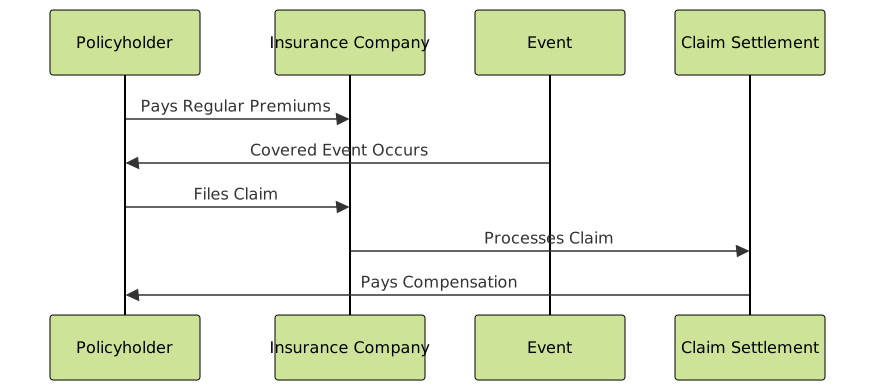
Insurance is a financial arrangement in which a person (the policyholder) pays regular premiums to an insurer in exchange for protection against specific risks. When a covered event occurs—such as damage, theft, illness, or death—the insurer compensates the policyholder or a beneficiary.
This system is based on risk pooling: many people contribute to a common fund, which is used to pay out claims for those who experience losses. It spreads and manages risk across a large group, making unforeseen events financially manageable.

Why Insurance Matters
Insurance matters because it provides financial protection and peace of mind. Life’s uncertainties—like accidents, illnesses, natural disasters, or loss of income—can have devastating financial consequences. Insurance cushions the blow by covering these unexpected expenses, helping you maintain stability and security.
- Risk Transfer: Shifts the financial burden from you to the insurer.
- Financial Planning Tool: Acts as a safety buffer that complements saving and investment strategies.
- Legal and Social Requirement: In many cases, insurance—like car or health coverage—is mandatory.
- Encourages Economic Stability: Businesses can operate confidently knowing they’re protected from major losses.
How Insurance Works: The Process Explained
Although different types of insurance serve different purposes, the general process is the same across all types. Here’s a quick visualization of how the system operates:
Types of Insurance You Should Know
Insurance comes in many forms, each designed to protect against specific types of risks. Below are the most common categories for both individuals and organizations:
1. Life Insurance
Provides financial support to dependents after the policyholder’s death. For example, a ₹10 lakh term life policy can ensure your family’s expenses are covered if you’re no longer around to provide.
2. Health Insurance
Covers medical expenses for illnesses, hospitalizations, and surgeries. Health insurance reduces the financial strain of high healthcare costs, ensuring access to necessary treatments.
3. Motor Insurance
Protects vehicles against damage or theft and covers liability in case of accidents. In India, third-party insurance is mandatory for all vehicles.
4. Home Insurance
Covers property and belongings from fire, floods, or theft. Home insurance provides peace of mind, especially in disaster-prone locations.
5. Business Insurance
Shields companies from operational risks like property loss, employee injuries, or lawsuits.

Key Components of an Insurance Policy
To get the best out of your insurance plan, it’s essential to understand its key components:
- Premium: The amount paid regularly to maintain coverage.
- Policy Limit: The maximum amount the insurer will pay for a claim.
- Deductible: The portion of the claim the policyholder must pay before the insurer contributes.
- Exclusions: Situations or costs not covered by the policy.

Practical Example of Insurance in Action
Consider Raj, a small business owner. He buys business insurance that covers property damage and liability. When a fire damages his stock, the insurer reimburses him for the loss, allowing his business to recover quickly without draining savings.
This simple example shows how insurance transforms unpredictable financial risk into manageable, predictable payments.
Interactive Example: Understanding Premium vs Coverage
Try this: Imagine adjusting your monthly premium and coverage amount.
// Try in console (simplified interactive example)
function estimateCoverage(premium) {
  return premium * 120; // Suppose coverage is 120x the monthly premium
}
console.log(estimateCoverage(500)); // Premium ₹500/month -> Coverage ₹60,000
This interactive example shows how premiums directly influence your coverage amount—another important factor when customizing your policy.
Tips Before Buying Insurance
- Assess your actual needs before choosing coverage.
- Compare policies from at least three insurers.
- Read policy exclusions carefully—know what isn’t covered.
- Review your policy annually as circumstances change.
Conclusion
Insurance isn’t just a financial product—it’s a pillar of stability and confidence in an uncertain world. From protecting assets to ensuring family welfare, insurance transforms risk into readiness. Understanding how it works, what types suit your needs, and how to use it strategically can make a lasting difference in your financial journey.
At CodeLucky.com, we believe financial awareness empowers decision-making—insurance is the first step toward true financial independence.