You’ve built a few web pages, maybe followed a backend tutorial or two, and now you’re staring at job listings asking for someone who can do everything. The good news: becoming a full-stack developer in 2026 is less about memorizing every framework and more about understanding how the pieces of a web application fit together. If you can build the front end a user clicks on and the back end that powers it, you become the kind of versatile engineer small startups and large teams both fight to hire.
This guide walks you through a realistic, no-fluff path: what to learn, in what order, and which mistakes quietly stall most beginners. You won’t need a computer science degree, but you will need a plan. Here’s one that actually reflects how modern web development works today.
What Is a Full-Stack Developer?
A full-stack developer is a software engineer who can build both the client-side (frontend) and server-side (backend) of a web application, including the database, APIs, and deployment that connect them. In short, they can take a feature from a blank screen all the way to a running product without handing it off to a separate specialist for each layer.
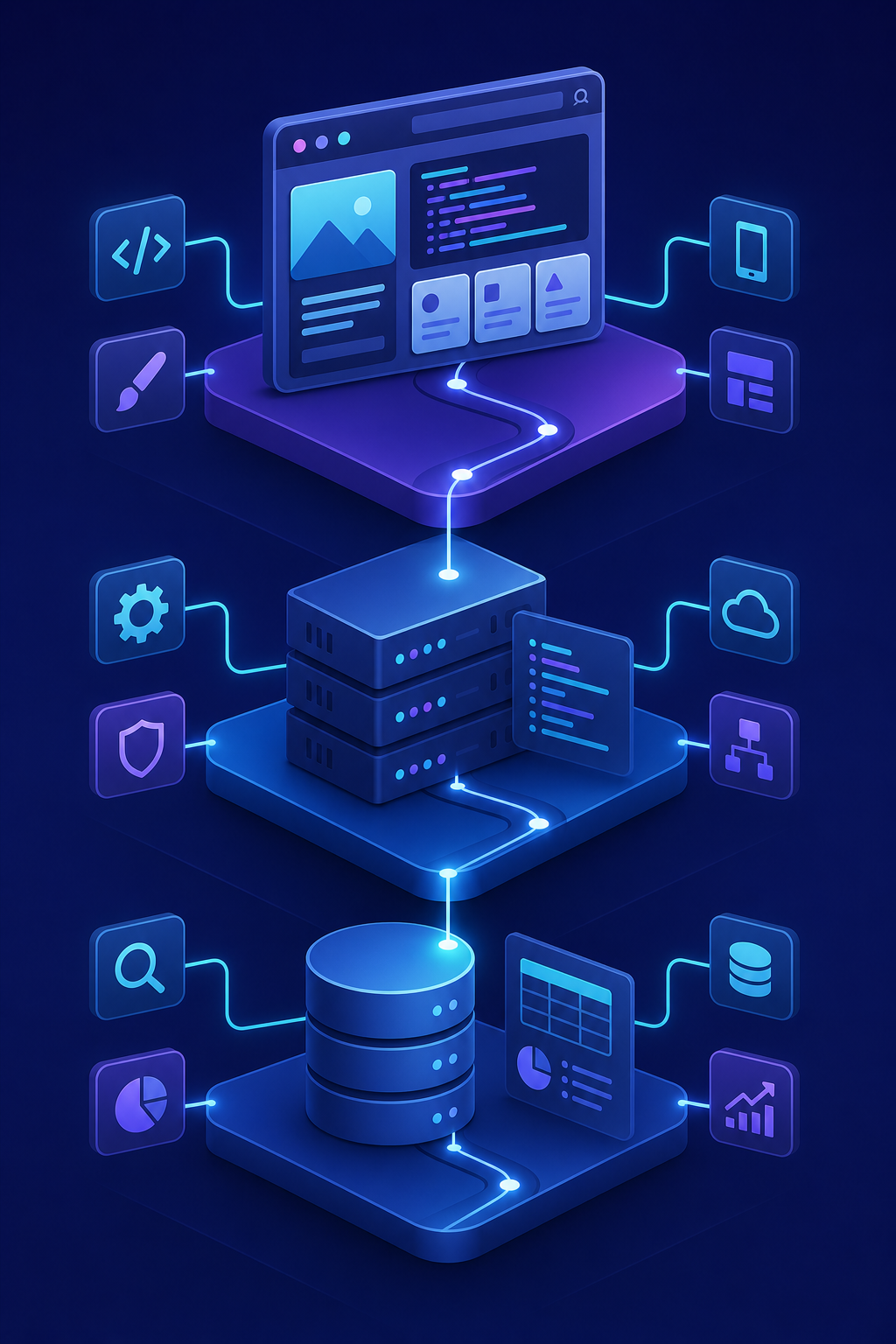
“Full stack” doesn’t mean you know every technology in existence. It means you’re comfortable moving up and down the technology stack, the layered set of tools that make up a web app. A useful analogy: a full-stack developer is like a general contractor who understands plumbing, electrical, and framing well enough to build a house, even if they sometimes call in a specialist for the tricky parts.
The Full-Stack Developer Roadmap for 2026
Before diving into code, it helps to see the whole map. The journey to become a full-stack developer breaks into five progressive stages, each building on the last. Trying to skip ahead is the most common way people get stuck.
- Frontend fundamentals — HTML, CSS, and JavaScript.
- A frontend framework — usually React, with TypeScript.
- Backend development — a server language, runtime, and REST or GraphQL APIs.
- Databases — both relational (SQL) and document (NoSQL) stores.
- Version control, deployment, and DevOps basics — Git, CI/CD, and the cloud.
Treat each stage as something you can build a small project with before moving on. Tutorials teach syntax; projects teach you how the syntax breaks. The rest of this guide expands each stage into concrete steps.
Step 1: Master the Frontend Foundation
Everything a user sees and touches in a browser is built with three core technologies: HTML for structure, CSS for styling, and JavaScript for behavior. Skipping a deep understanding here is tempting, but it backfires. Frameworks come and go; these fundamentals are permanent.
Start by building static pages by hand, then add interactivity. Here’s a small example that responds to a button click without any framework:
<button id="greetBtn">Say hello</button>
<p id="output"></p>

<script>
  // Grab references to the DOM elements
  const button = document.getElementById("greetBtn");
  const output = document.getElementById("output");

  // Update the page when the button is clicked
  button.addEventListener("click", () => {
    output.textContent = "Hello from vanilla JavaScript!";
  });
</script>
This snippet shows the core loop of frontend work: select an element, listen for an event, and update the page in response. Understanding the Document Object Model (DOM) this way means you’ll never be confused later about what React is actually doing under the hood. For deep, reliable references, the MDN JavaScript documentation is the standard every professional keeps open.
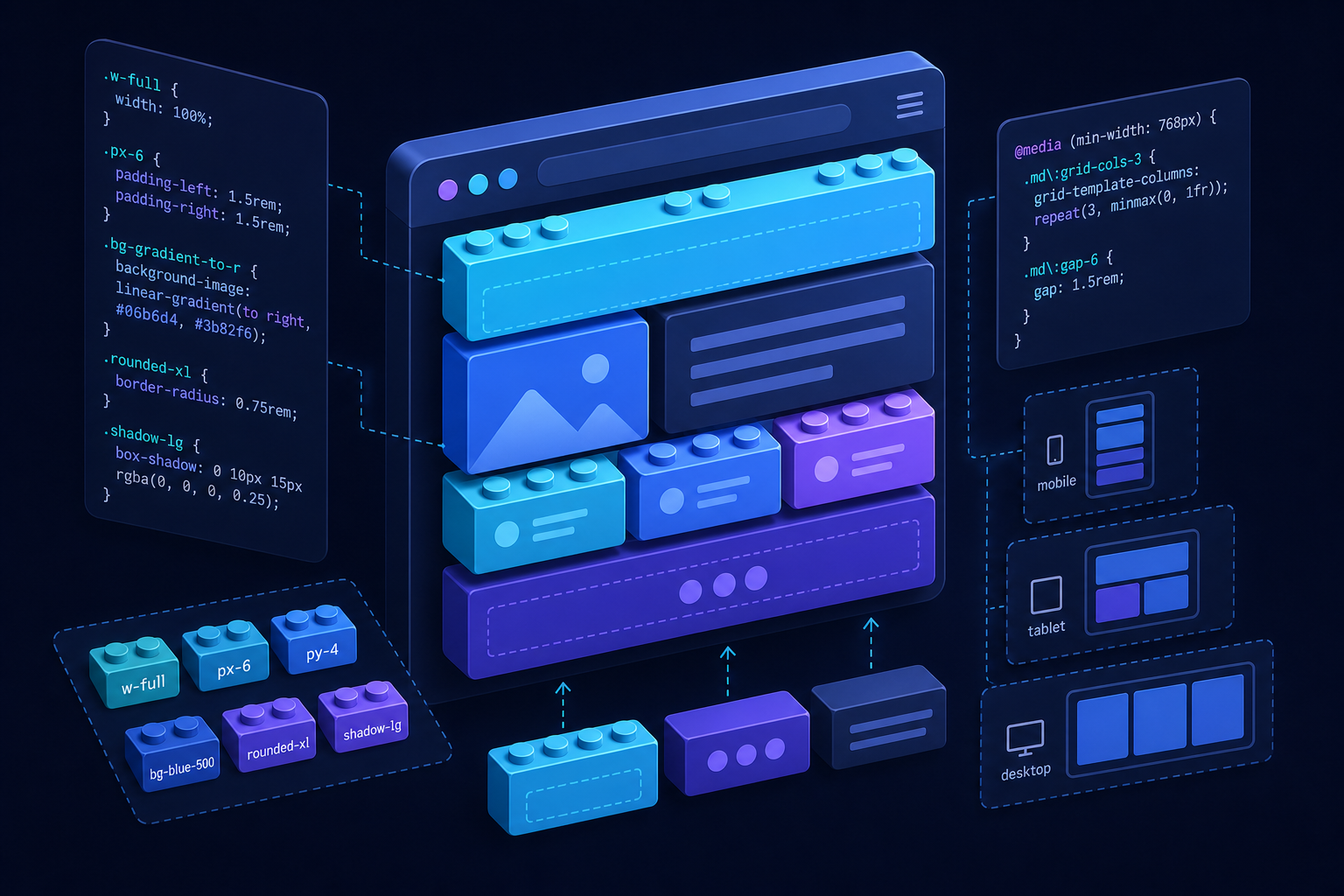
Spend real time on modern CSS too: Flexbox, Grid, and responsive design are non-negotiable in 2026. Build three or four layouts from scratch before you reach for any UI library.
Step 2: Get Fluent in a Frontend Framework
Once vanilla JavaScript feels natural, learn a component-based framework. React remains the most in-demand choice, though Vue and Svelte are excellent alternatives. Frameworks let you build reusable UI pieces and manage application state without manually wiring up the DOM every time.
Here’s the same greeting logic rewritten as a React component, so you can see the shift in thinking:
import { useState } from "react";

function Greeting() {
  // State holds data that changes over time
  const [message, setMessage] = useState("");

  return (
    <div>
      <button onClick={() => setMessage("Hello from React!")}>
        Say hello
      </button>
      <p>{message}</p>
    </div>
  );
}

export default Greeting;
Notice you no longer manually select elements or set textContent. You describe what the UI should look like for a given state, and React updates the DOM for you. This declarative model is why frameworks scale to large apps. Pair React with TypeScript early; typed code catches a whole category of bugs before they ever run, and most 2026 job postings now expect it. The official React documentation is beginner-friendly and worth working through end to end.
Step 3: Build the Backend That Powers It All
The backend is the engine room: it handles business logic, talks to the database, authenticates users, and exposes data through an API. To become a full-stack developer, you need to be as comfortable here as you are in the browser.
JavaScript developers often choose Node.js so they can use one language across the whole stack, but Python (Django, FastAPI), Go, and C# are all strong, employable options. Here’s a minimal REST API endpoint using Node.js and Express:
const express = require("express");
const app = express();

app.use(express.json()); // Parse incoming JSON request bodies

// A simple GET endpoint that returns a list of users
app.get("/api/users", (req, res) => {
  const users = [
    { id: 1, name: "Ada" },
    { id: 2, name: "Linus" },
  ];
  res.json(users); // Send the data back as JSON
});

app.listen(3000, () => {
  console.log("Server running on http://localhost:3000");
});
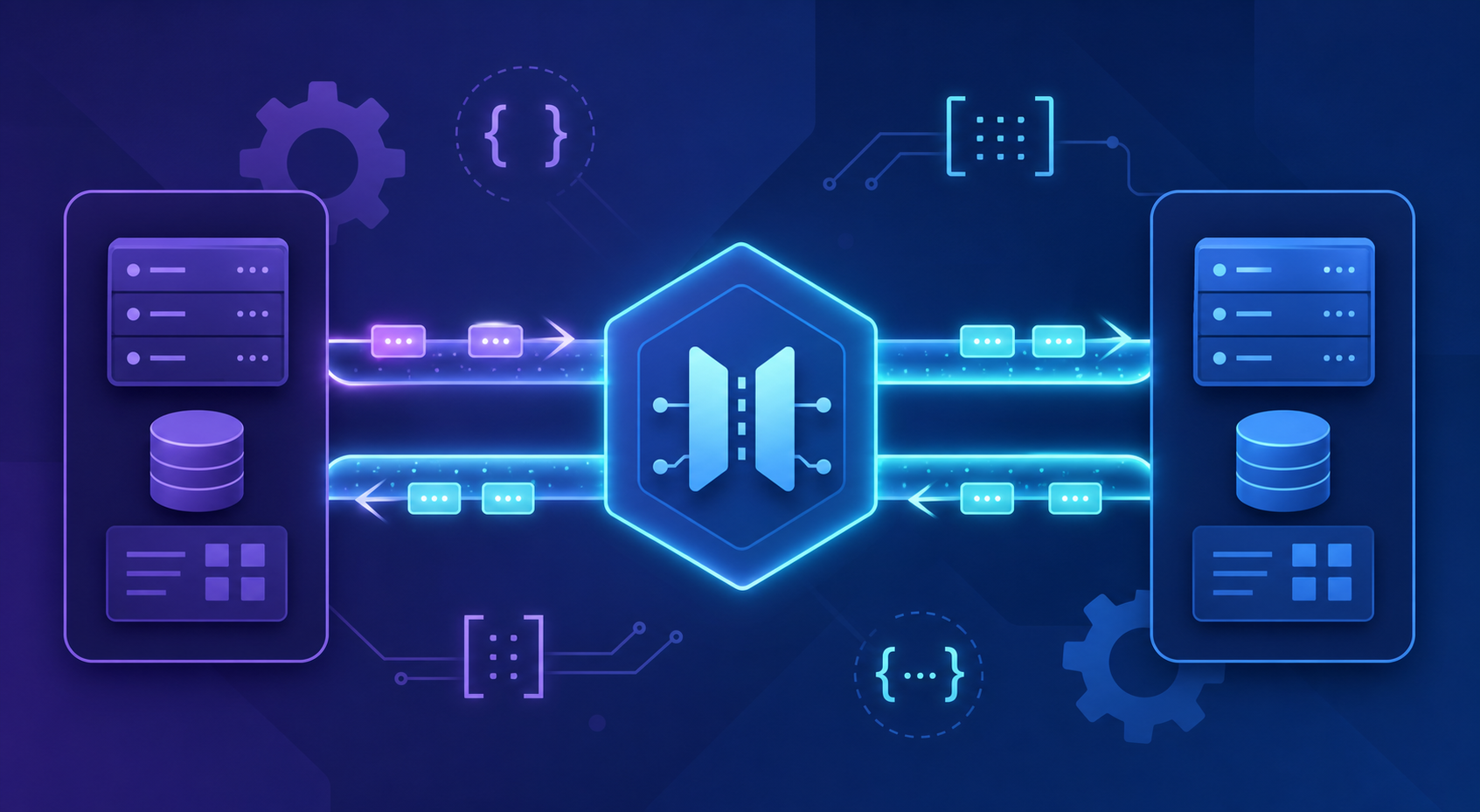
This server listens for HTTP requests and returns JSON, the universal language your frontend uses to fetch data. When your React app calls fetch("/api/users"), this is the kind of code answering on the other end. Learn how HTTP methods (GET, POST, PUT, DELETE), status codes, and authentication work, because they’re identical concepts no matter which backend language you pick. The official Node.js documentation is a solid companion here.
Step 4: Learn Databases and Data Modeling
Applications need to remember things, and that’s where databases come in. You should understand two broad families: relational databases like PostgreSQL and MySQL, which store data in structured tables, and NoSQL databases like MongoDB, which store flexible document-shaped data.
Relational databases are queried with SQL, a skill that pays off for your entire career. Here’s a basic query that joins two tables to fetch each order with its customer name:
-- Get every order alongside the customer who placed it
SELECT orders.id, customers.name, orders.total
FROM orders
JOIN customers ON orders.customer_id = customers.id
WHERE orders.total > 100
ORDER BY orders.total DESC;
This query pulls related data from two tables in a single request, which is exactly the kind of operation backends run constantly. Beyond syntax, learn data modeling: how to design tables, relationships, and indexes so your app stays fast as it grows. Knowing when to reach for SQL versus NoSQL is a genuine sign of full-stack maturity. The PostgreSQL documentation is an excellent, free place to go deep.
Step 5: Master Version Control, Deployment, and DevOps Basics
Writing code is only half the job; shipping it safely is the other half. Git is the version control system every team on earth uses, so it’s not optional. Start with the everyday workflow:
# Save your work as a commit and push it to a remote repository
git add .
git commit -m "Add user profile page"
git push origin main
These three commands stage your changes, record them with a message, and upload them so teammates (and deployment systems) can see your work. From there, learn how to open pull requests, resolve merge conflicts, and read a project’s history. The free Git documentation covers everything from basics to advanced workflows.
On the deployment side, you don’t need to be a cloud architect, but you should be able to deploy a full app. Learn one hosting platform for the frontend and one for the backend, understand environment variables and secrets, and get a basic grasp of CI/CD (continuous integration and delivery) so tests run automatically before code goes live. Containerization with Docker is the natural next step once the basics click.
Popular Full-Stack Technology Stacks Compared
A “stack” is just a pre-matched set of tools that work well together. You don’t have to use a named stack, but they’re a great way to focus your learning. Here’s how the most common 2026 options compare:
| Stack | Core Technologies | Best For | Learning Difficulty |
|---|---|---|---|
| MERN | MongoDB, Express, React, Node.js | JavaScript-everywhere apps and startups | Moderate |
| Next.js + PostgreSQL | React, Next.js, Node, SQL | Production-grade, SEO-friendly web apps | Moderate |
| Django + React | Python, Django REST, React | Data-heavy apps and rapid prototyping | Beginner-friendly backend |
| Spring Boot + Angular | Java, Spring, Angular | Large enterprise systems | Steeper |
Pick one stack and go deep rather than sampling all four. The transferable concepts (components, APIs, databases, auth) carry over instantly once you switch, so your first stack is a starting point, not a lifelong commitment.
Common Pitfalls to Avoid
Most people who try to become a full-stack developer don’t fail from lack of intelligence; they fail from a handful of predictable traps. Watch for these:
- Tutorial hell. Endlessly watching courses without building anything. Cap your tutorials and force yourself to build original projects, even ugly ones.
- Chasing every new framework. The fundamentals barely change. A new JavaScript library every month is a distraction, not progress.
- Ignoring the backend. Many beginners hide in frontend comfort. Employers value the developer who can actually connect a database and ship an API.
- Skipping Git and deployment. Code that only runs on your laptop doesn’t count. Deploy your projects so others can use them.
- Not reading other people’s code. Studying open-source projects teaches patterns no tutorial will.
The fastest learners aren’t the ones who watch the most videos. They’re the ones who build, break things, and debug their way out. Discomfort is the curriculum.
How Long Does It Take to Become a Full-Stack Developer?
With consistent, focused effort, most people reach a job-ready full-stack skill level in roughly six to twelve months. The variable isn’t talent; it’s hours and how you spend them. Two hours a day spent building projects beats eight hours a week of passive watching.
Build a portfolio of three to five complete projects, each demonstrating the full stack: a frontend, a backend API, a database, authentication, and a live deployment. A clone of a real app (a task manager, a small e-commerce store, a chat app) shows employers far more than a certificate ever will.
Frequently Asked Questions
Do I need a degree to become a full-stack developer?
No. While a computer science degree helps with fundamentals, most full-stack roles in 2026 hire based on demonstrated skills and a strong portfolio. Self-taught developers and bootcamp graduates are hired routinely when they can prove they ship working software.
Which programming language should I learn first?
JavaScript is the most practical first language for full-stack work because it runs in both the browser and on the server through Node.js, letting you use one language across the entire stack. Python is an excellent alternative if you prefer a gentler syntax for the backend.
Is full-stack development still in demand in 2026?
Yes. Companies continue to value developers who can work across the entire stack because they reduce coordination overhead and can prototype features end to end. Versatility is especially prized at startups and on small teams where one person wears several hats.
Frontend or backend — which is harder?
Neither is universally harder; they’re different. Frontend challenges you with UI state, browser quirks, and design. Backend challenges you with data modeling, security, and performance. Full-stack developers learn to appreciate both and pick the right tool for each problem.
Can I become a full-stack developer while working full-time?
Absolutely. A steady one to two hours a day, focused on building real projects rather than passive learning, adds up quickly. Consistency over months matters far more than occasional marathon sessions.
Conclusion: Your Path Forward
Learning to become a full-stack developer in 2026 is a marathon of small, deliberate steps, not a single leap. Master the frontend trio of HTML, CSS, and JavaScript, get fluent in a framework like React, build real backends and APIs, understand databases, and learn to ship with Git and deployment tools. Each layer reinforces the others.
The developers who make it aren’t the ones with perfect plans; they’re the ones who keep building when things break. Pick one stack, build something real this week, and deploy it where the world can see it. Do that consistently, and the full-stack developer job you’re aiming for stops being a goal and starts being a description of what you already do.