As concerns around climate change and environmental impact intensify, the technology sector is rapidly evolving with a focus on sustainability. Green technology trends in sustainable hosting represent the future of eco-conscious web infrastructure. This article delves deeply into how modern hosting providers and developers are adopting renewable energy, energy-efficient equipment, and innovative cooling solutions to reduce carbon footprints while maintaining powerful, scalable services.
Understanding these trends is crucial for businesses and developers eager to contribute to a healthier planet while ensuring excellent web performance and uptime. Discover cutting-edge techniques, real-world examples, and insightful diagrams illuminating the sustainable web hosting landscape.
What is Sustainable Hosting?
Sustainable hosting refers to web hosting services designed to minimize environmental impact by using renewable energy sources, employing energy-efficient hardware, and optimizing data center operations to reduce power usage. Unlike traditional hosting, which heavily relies on fossil fuels and inefficient cooling methods, sustainable hosting aims to reduce carbon emissions and conserve natural resources.
This approach includes:
- Powering data centers with solar, wind, or hydroelectric energy.
- Utilizing eco-friendly server hardware engineered for low power consumption.
- Implementing advanced cooling solutions to reduce electricity usage.
- Enhancing software and infrastructure efficiency to maximize resource use.
Key Green Technology Trends in Hosting
1. Renewable Energy-Powered Data Centers
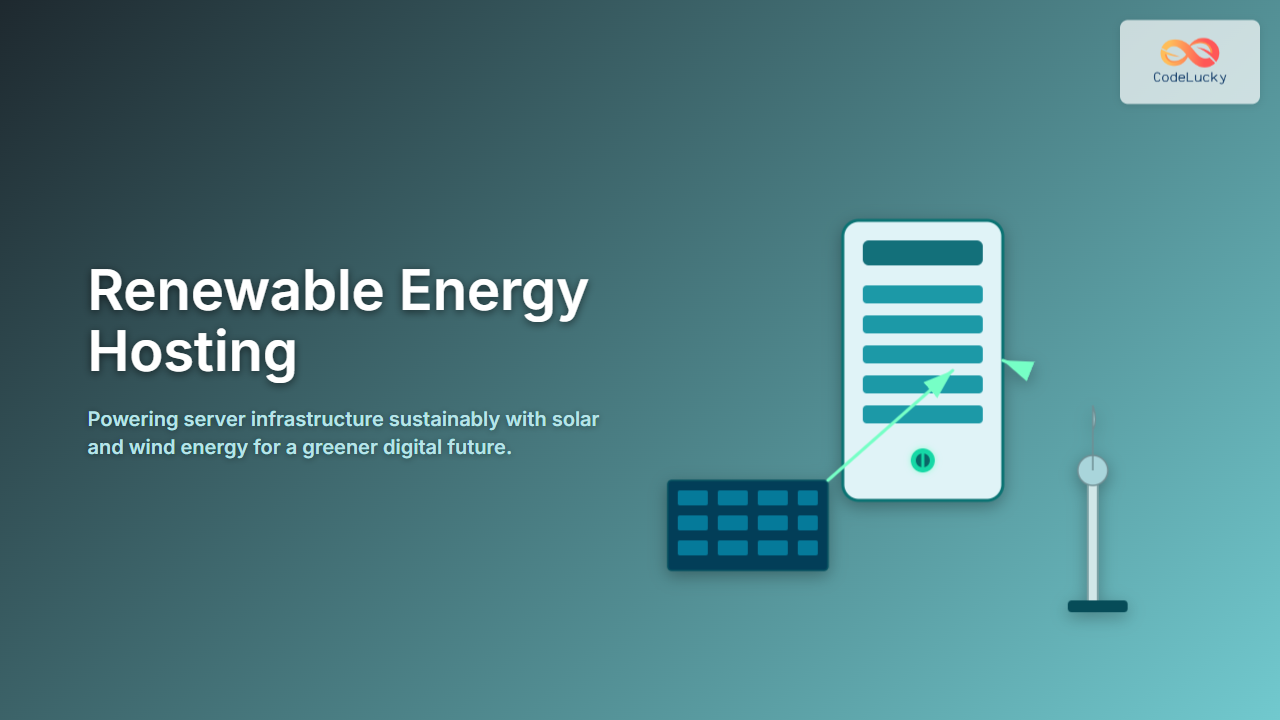
One of the biggest sustainability drivers is shifting data centers to renewable energy sources. Providers increasingly power servers with solar panels, wind turbines, or hydroelectric plants. This transition drastically cuts down on greenhouse gas emissions associated with web hosting operations.
2. Advanced Cooling Technologies
Innovative cooling methods like liquid cooling, free air cooling, and immersion cooling are replacing traditional air conditioning. These techniques minimize energy consumption and maintain optimal server temperatures to boost hardware lifespan and reduce maintenance costs.
3. Energy-Efficient Server Hardware
Manufacturers are designing servers with energy-saving chips, optimized CPU/GPU usage, and intelligent power management. Combining hardware efficiency with software improvements enables sustained performance with less electrical load.
4. Edge Computing & Distributed Hosting
Edge computing distributes processing closer to users to reduce latency and conserve bandwidth. This decentralization also lowers centralized data center load, leading to lower overall energy use.
5. Carbon Offset and Sustainability Programs
Many hosts supplement green operations with carbon offset programs investing in reforestation, carbon capture, or community renewable projects to neutralize residual emissions.

Examples of Sustainable Hosting in Action
Example 1: Solar-Powered Hosting Facility
A web hosting company installs rooftop solar panels that generate 60% of its data center power needs. This investment reduces annual carbon emissions by thousands of tons and cuts operational electricity costs — a win for business and the environment.
Example 2: Liquid Cooling for High-Performance Servers
Using immersion cooling, a hosting provider submerges servers in a dielectric fluid that efficiently transfers heat. This eliminates the need for air cooling, dropping energy consumption by 40%, while maintaining server reliability.
Example 3: Edge CDN with Distributed Green Nodes
A content delivery network (CDN) places small, solar-powered server nodes at multiple urban locations close to users. This setup reduces data transit distances and energy costs while speeding up website access worldwide.
Interactive Visual: Sustainable Hosting Workflow
Below is a flow diagram depicting the sustainable hosting lifecycle from data center power sourcing to user delivery and carbon offset integration. Hover over nodes to learn more.

How to Choose a Sustainable Hosting Provider
When selecting a sustainable hosting provider, consider these key criteria:
- Renewable Energy Usage: Confirm what percentage of their power is sourced renewably.
- Carbon Neutral Certification: Look for certifications like Green-e or ISO 14001.
- Energy-Efficient Infrastructure: Ask about hardware specs, cooling methods, and data center design.
- Transparency and Reporting: Review publicly available sustainability reports for accountability.
- Carbon Offset Initiatives: Verify involvement in offset projects to neutralize emissions.
Future Prospects: The Road Ahead for Sustainable Hosting
The future of sustainable hosting will likely be defined by greater automation and AI-driven energy optimization. Predictive analytics can adjust server loads dynamically to minimize waste. Innovations such as quantum computing could also enhance computational efficiency drastically.
Furthermore, legislation and customer demand will push hosting companies toward even greener operations. Open-source tools and community initiatives will spur transparency and global collaboration around sustainable technology.

Conclusion
Green technology trends in sustainable hosting are not only an environmental imperative but a growing market opportunity. By embracing renewable energy, efficient hardware, innovative cooling, and carbon neutrality strategies, hosting providers can power the web responsibly while supporting business growth.
For developers, companies, and website owners alike, choosing sustainable hosting is a tangible way to reduce carbon footprints and contribute to a healthier future. The transformation is already underway — the challenge now is to keep pace with innovation and demand for truly green digital infrastructure.