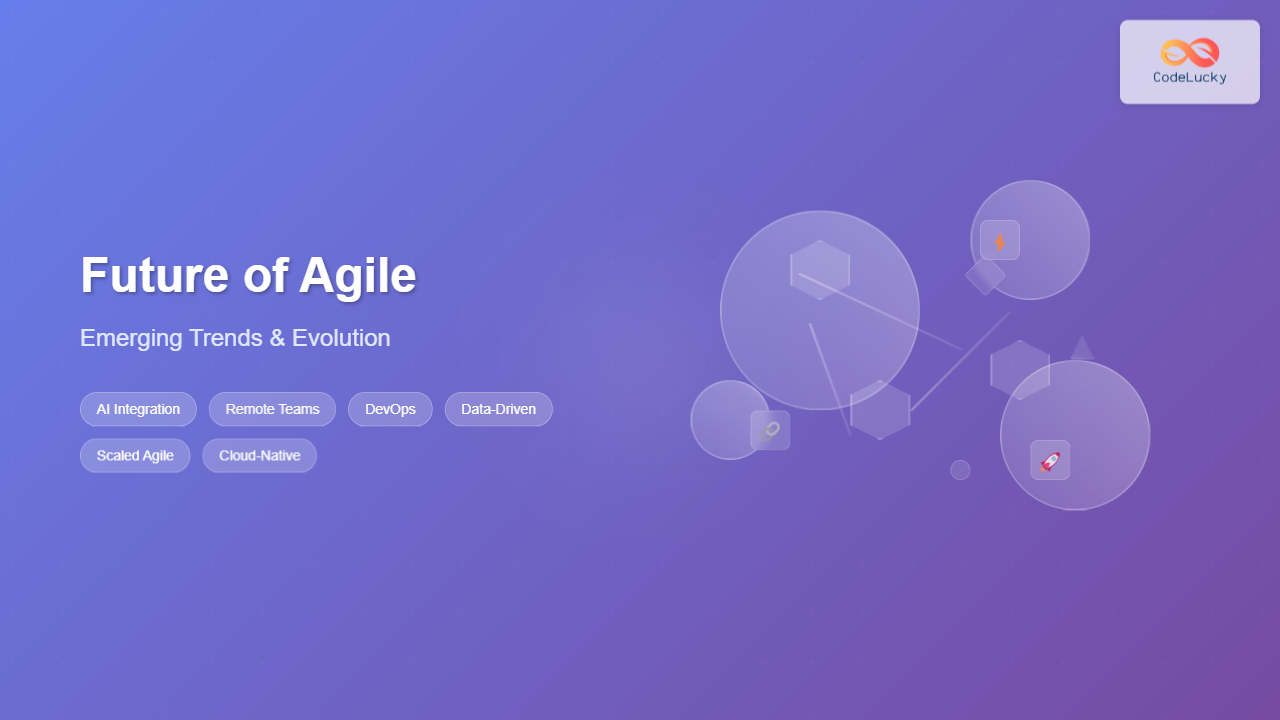
The Agile methodology has revolutionized software development since the publication of the Agile Manifesto in 2001. As we move deeper into the digital age, Agile continues to evolve, adapting to new technologies, changing work environments, and emerging business needs. This comprehensive exploration examines the future trends shaping Agile development and how organizations can prepare for the next evolution of this transformative approach.
The Current State of Agile Adoption
Agile has become the dominant software development methodology, with over 86% of software teams using Agile practices according to recent industry surveys. However, the landscape is far from static. Organizations are continuously refining their Agile implementations, moving beyond basic frameworks to create hybrid approaches that better serve their unique contexts.
The traditional boundaries between different Agile frameworks are blurring as teams cherry-pick the best practices from Scrum, Kanban, Extreme Programming (XP), and other methodologies. This trend toward customization represents a maturation of Agile thinking, where principles matter more than rigid adherence to specific frameworks.
Artificial Intelligence and Machine Learning Integration
One of the most significant trends reshaping Agile development is the integration of artificial intelligence and machine learning technologies. AI is transforming every aspect of the development lifecycle, from planning and estimation to testing and deployment.
AI-Powered Sprint Planning
Advanced algorithms are now capable of analyzing historical sprint data, team velocity, and project complexity to provide more accurate sprint planning recommendations. These AI systems can identify patterns in team performance, predict potential bottlenecks, and suggest optimal task distributions based on individual team member strengths and availability.
Intelligent Test Automation
Machine learning algorithms are revolutionizing test automation by automatically generating test cases, identifying high-risk areas of code, and prioritizing testing efforts based on change impact analysis. This intelligent approach to testing allows teams to maintain high quality while accelerating delivery cycles.
Predictive Analytics for Project Management
AI-driven predictive analytics are helping Agile teams anticipate project risks, estimate completion dates more accurately, and make data-driven decisions about resource allocation. These tools analyze vast amounts of project data to provide insights that human project managers might miss.
Remote and Distributed Agile Teams
The global shift toward remote work has accelerated the evolution of distributed Agile teams. This transformation has necessitated new approaches to collaboration, communication, and team dynamics that will continue to shape Agile practices in the future.
Virtual Collaboration Tools
Modern Agile teams are leveraging sophisticated virtual collaboration platforms that go beyond simple video conferencing. These tools provide immersive environments for sprint planning, retrospectives, and daily stand-ups, using features like virtual whiteboards, real-time collaboration spaces, and integrated project management capabilities.
Asynchronous Agile Practices
Teams are developing new asynchronous approaches to traditional Agile ceremonies, allowing for greater flexibility in global teams spanning multiple time zones. This includes asynchronous stand-ups, written retrospectives, and collaborative planning sessions that don’t require all team members to be online simultaneously.
Cultural Adaptation
The future of Agile must account for diverse cultural contexts as teams become increasingly global. This includes adapting communication styles, decision-making processes, and conflict resolution approaches to work effectively across different cultural backgrounds and time zones.
DevOps and Continuous Everything
The convergence of Agile and DevOps continues to accelerate, creating integrated approaches that emphasize continuous integration, continuous deployment, and continuous feedback throughout the entire software lifecycle.
Infrastructure as Code
Agile teams are increasingly adopting Infrastructure as Code (IaC) practices, treating infrastructure configuration with the same discipline applied to application code. This approach enables faster, more reliable deployments and better alignment between development and operations teams.
Continuous Security Integration
Security considerations are being integrated into every stage of the Agile development process through DevSecOps practices. This shift-left approach to security ensures that security concerns are addressed early and continuously rather than as an afterthought.
Automated Pipeline Orchestration
Advanced pipeline orchestration tools are enabling more sophisticated automation strategies that can handle complex deployment scenarios, automated rollbacks, and intelligent traffic routing based on application performance metrics.
Scaled Agile Frameworks Evolution
As organizations grow and Agile adoption expands beyond individual teams, scaled Agile frameworks are evolving to address the challenges of enterprise-wide agility.
SAFe and Beyond
While the Scaled Agile Framework (SAFe) has gained significant traction, newer approaches like the Spotify Model, Large-Scale Scrum (LeSS), and Disciplined Agile are offering alternative solutions for scaling Agile practices. The future will likely see continued innovation in this space as organizations seek frameworks that better fit their specific contexts.
Portfolio-Level Agility
The concept of Agile is expanding beyond software development to encompass entire business portfolios. This includes Agile approaches to budgeting, strategic planning, and cross-functional collaboration at the organizational level.
Value Stream Optimization
Organizations are focusing more on end-to-end value stream optimization, looking beyond individual team performance to optimize the entire flow of value from concept to customer. This holistic approach requires new metrics, tools, and organizational structures.
Data-Driven Agile Decision Making
The future of Agile is increasingly data-driven, with teams using sophisticated analytics and metrics to guide their decision-making processes.
Advanced Metrics and KPIs
Teams are moving beyond simple velocity tracking to embrace more sophisticated metrics that provide insights into team health, product quality, and customer satisfaction. These include flow metrics, predictability measures, and business outcome indicators.
Real-Time Dashboard Integration
Modern Agile teams are using real-time dashboards that integrate data from multiple sources, providing comprehensive views of project status, team performance, and business impact. These dashboards enable faster decision-making and more proactive issue resolution.
Behavioral Analytics
Teams are leveraging behavioral analytics to understand how their software is actually used by end-users, informing product decisions and helping prioritize feature development based on real user behavior rather than assumptions.
Customer-Centric Agile Evolution
The future of Agile places even greater emphasis on customer collaboration and value delivery, with new approaches to customer engagement and feedback integration.
Continuous Customer Feedback Loops
Modern Agile teams are implementing sophisticated feedback mechanisms that provide continuous insight into customer needs and preferences. This includes in-app feedback systems, user behavior analytics, and regular customer interviews integrated into the development process.
Design Thinking Integration
The integration of Design Thinking principles with Agile practices is creating more user-centered development approaches. This combination emphasizes empathy, experimentation, and iterative problem-solving that aligns well with Agile values.
Outcome-Based Planning
Teams are shifting from output-focused planning (features delivered) to outcome-based planning (business results achieved). This approach requires new planning techniques, measurement strategies, and success criteria that focus on customer and business value.
Emerging Technologies and Agile
New technologies are creating both opportunities and challenges for Agile teams, requiring adaptations to traditional practices and the development of new approaches.
Cloud-Native Development
The shift to cloud-native architectures is influencing how Agile teams approach system design, deployment, and scaling. Microservices, containers, and serverless computing are enabling new development patterns that require adapted Agile practices.
Low-Code and No-Code Platforms
The rise of low-code and no-code development platforms is democratizing software creation, potentially changing team compositions and requiring new approaches to quality assurance, governance, and technical debt management.
Blockchain and Distributed Systems
As blockchain and other distributed technologies become more mainstream, Agile teams are adapting their practices to handle the unique challenges of developing and deploying decentralized applications.
Skills and Competencies for Future Agile
The evolving Agile landscape requires new skills and competencies from team members, leaders, and organizations.
Technical Skills Evolution
Agile team members need to develop skills in automation, data analysis, cloud technologies, and security practices. The traditional separation between developers, testers, and operations engineers continues to blur, requiring more T-shaped professionals with broad competencies.
Soft Skills Emphasis
As Agile teams become more distributed and cross-functional, soft skills like communication, empathy, facilitation, and conflict resolution become increasingly important. Future Agile practitioners need to be effective collaborators and change agents.
Systems Thinking
The complexity of modern software systems requires Agile practitioners to develop systems thinking capabilities, understanding how their work fits into larger organizational and technological ecosystems.
Organizational Culture and Agile Transformation
The future of Agile is closely tied to broader organizational transformation efforts that go beyond adopting specific practices to embrace fundamental cultural changes.
Psychological Safety and Trust
Organizations are recognizing that successful Agile transformation requires high levels of psychological safety and trust. This includes creating environments where team members feel safe to experiment, fail, learn, and speak up about problems or concerns.
Leadership Evolution
Agile leadership is evolving from command-and-control models to servant leadership approaches that focus on removing obstacles, enabling teams, and creating conditions for success rather than directing specific actions.
Learning Organizations
The most successful Agile organizations are becoming learning organizations that continuously adapt, experiment, and improve. This requires new approaches to knowledge management, skill development, and organizational memory.
Challenges and Considerations
As Agile continues to evolve, several challenges and considerations will shape its future development.
Balancing Agility with Governance
Organizations must find ways to maintain necessary governance and compliance requirements while preserving the flexibility and responsiveness that make Agile effective. This is particularly challenging in highly regulated industries.
Managing Technical Debt
The emphasis on rapid delivery in Agile environments can lead to technical debt accumulation. Future Agile practices must better address the balance between speed and long-term system maintainability.
Scaling Human Connections
As organizations scale their Agile practices, maintaining the human connections and collaboration that make Agile effective becomes increasingly challenging. New approaches to community building and relationship management are needed.
Preparing for the Future of Agile
Organizations looking to position themselves for the future of Agile should consider several key strategies and investments.
Continuous Learning and Adaptation
The most important preparation for the future of Agile is developing organizational capabilities for continuous learning and adaptation. This includes creating feedback loops, encouraging experimentation, and maintaining openness to new ideas and approaches.
Investment in Tools and Technology
Organizations should invest in modern toolchains that support distributed collaboration, automation, and data-driven decision making. This includes not just development tools but also collaboration platforms, analytics systems, and integration capabilities.
Culture and People Development
The future of Agile depends more on people and culture than on specific processes or tools. Organizations should invest in developing their people’s capabilities, creating supportive cultures, and building strong communities of practice.
Conclusion
The future of Agile is bright and full of possibilities. As technology continues to advance and work patterns evolve, Agile will continue to adapt and transform. The core principles of collaboration, customer focus, responding to change, and delivering working software will remain constant, but the specific practices and approaches will continue to evolve.
Organizations that embrace this evolution, invest in their people and technology, and maintain a commitment to continuous improvement will be best positioned to benefit from the next generation of Agile practices. The future belongs to those who can balance the proven principles of Agile with the emerging opportunities presented by new technologies, changing work patterns, and evolving customer expectations.
Success in the future of Agile will require not just technical competence but also emotional intelligence, systems thinking, and the ability to navigate complexity and ambiguity. As we look ahead, the most successful Agile practitioners and organizations will be those that remain true to Agile values while staying open to new ideas, approaches, and possibilities.
Related Posts
Agile Philosophy: Understanding Core Principles and Values for Modern Software Development
Introduction to Agile Philosophy Agile philosophy represents a fundamental shift in how software development teams approach project management, collaboration, and...
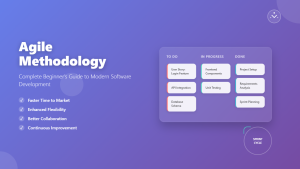
What is Agile Methodology: Complete Beginner’s Guide to Modern Software Development
Agile methodology has revolutionized how software development teams work, moving away from rigid traditional approaches to embrace flexibility, collaboration, and...
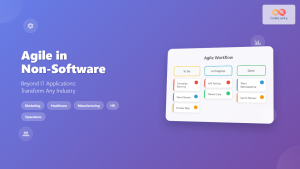
Agile in Non-Software: Complete Guide to Implementation Beyond IT Applications
Introduction to Agile Beyond Software Development While Agile methodologies originated in software development, their core principles of flexibility, collaboration, and...

Agile Architecture: Designing for Change – Building Flexible Software Systems
In today's rapidly evolving digital landscape, traditional waterfall architecture approaches often fail to meet the dynamic needs of modern software...
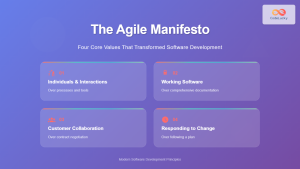
The Agile Manifesto: Four Core Values Explained for Modern Software Development
The Agile Manifesto, published in 2001 by seventeen software development thought leaders, fundamentally transformed how we approach software development. This...
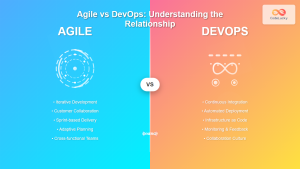
Agile vs DevOps: Understanding the Relationship Between Two Powerful Software Development Methodologies
In today's fast-paced software development landscape, organizations are constantly seeking methodologies that can accelerate delivery while maintaining quality. Two prominent...
Benefits of Agile Methodology: Why Teams Choose Agile for Project Success
Agile methodology has revolutionized how teams approach project management and software development. Since its introduction through the Agile Manifesto in...
Agile 2.0: Next Generation Agile Thinking for Modern Software Development
Understanding Agile 2.0: The Evolution Beyond Traditional Agile Agile 2.0 represents a significant evolution in project management and software development...
Agile Innovation: Complete Guide to Fostering Creative Solutions in Modern Development
In today's rapidly evolving technological landscape, the ability to innovate quickly and effectively has become the cornerstone of successful software...
AI and Agile: Transforming Software Development with Intelligent Automation
The convergence of artificial intelligence and Agile methodology is reshaping how development teams build, test, and deliver software. As organizations...
Agile Transformation: Complete Guide to Organizational Change Management
Agile transformation represents one of the most significant organizational changes companies undertake today. This comprehensive shift from traditional project management...

The 12 Principles of Agile Development: A Complete Guide to Agile Software Development Success
Agile development has revolutionized the software industry by prioritizing flexibility, collaboration, and customer satisfaction over rigid processes. At the heart...