In today’s fast-moving digital world, financial safety is not just about locking your wallet — it’s about securing your online identity. Banking fraud and password-related data breaches are rising every year, costing individuals and businesses billions. This guide from CodeLucky.com explores comprehensive fraud protection practices, focusing on secure banking habits and effective password strategies to safeguard your money and privacy online.
Why Fraud Protection Matters
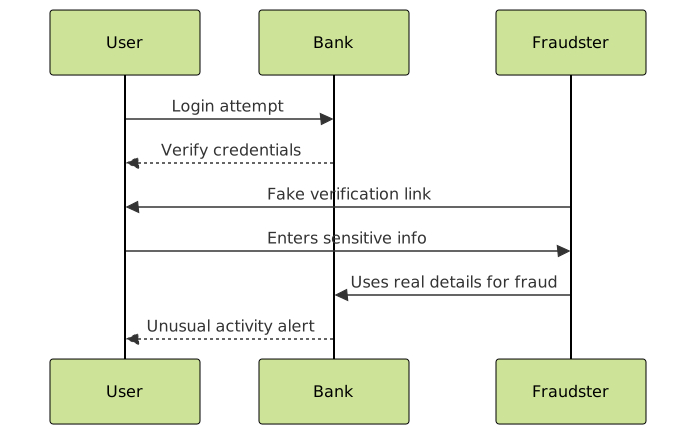
Modern banking depends heavily on online systems — from mobile apps to internet transfers. Each connection point can be exploited if not properly protected. Fraudsters use phishing emails, malware, and fake websites to capture banking credentials. With advanced social engineering, even the most aware users can become targets.
Imagine logging into your bank app only to discover unauthorized transfers made overnight. Most victims didn’t lose money through carelessness, but through sophisticated fraud schemes that exploited small lapses in digital hygiene.
Common Types of Online Banking Frauds
Understanding how hackers operate helps you stay one step ahead. Below are some common fraud techniques:
- Phishing: Fake emails or websites mimic your bank to steal login information.
- Smishing: SMS-based scams pretending to be official bank alerts.
- Vishing: Voice calls from scammers pretending to be customer service agents.
- Malware attacks: Malicious apps or attachments designed to extract financial details.
- Device takeover: Fraudsters gain remote access to your phone or computer.

Best Practices for Secure Banking
Adopting practical steps helps minimize your risk exposure. Here’s how you can strengthen your online banking security:
- Use official banking apps only: Download directly from verified app stores or your bank’s website.
- Avoid public Wi-Fi: Hackers often monitor unsecured networks to capture credentials.
- Enable multi-factor authentication (MFA): Adds a verification layer beyond passwords.
- Set transaction alerts: Get instant notifications for any money movement.
- Log out after every session: Never stay logged in, especially on shared devices.
- Check for HTTPS: Only interact with secure, encrypted banking sites.
Building Strong Password Habits
Most security breaches occur because of weak or reused passwords. A robust password strategy can protect all your financial accounts even if one system gets compromised.
How Strong Passwords Work
A strong password is not guessable and combines complexity with unpredictability. Examples include:
- Combining uppercase, lowercase, digits, and symbols.
- Avoiding personal details like birthdays or names.
- Using passphrases instead of single words — e.g.,
GreenRain$Dance!42.

Password Management Tools
Humans aren’t designed to remember dozens of complex credentials. Password managers solve this problem securely by storing and auto-filling them. Leading options use encryption and biometric authentication to protect your vault.
Tip: Always secure your password manager with a long, unique master password and enable MFA where available.
Interactive Example: Password Strength Checker
Below is an example of a basic interactive password strength checker you can embed in your personal security toolkit:
<input type="password" id="pwd" placeholder="Enter Password" oninput="checkStrength()">
<p id="strengthMsg"></p>
<script>
function checkStrength(){
  const pwd = document.getElementById('pwd').value;
  const msg = document.getElementById('strengthMsg');
  if(pwd.length < 6){ msg.textContent = "Weak"; msg.style.color="red";}
  else if(pwd.match(/[A-Z]/) && pwd.match(/[0-9]/) && pwd.match(/[^A-Za-z0-9]/)){
    msg.textContent = "Strong"; msg.style.color="green";
  } else { msg.textContent = "Moderate"; msg.style.color="orange";}
}
</script>
Recognizing Fraud Attempts
Even experienced online users can fall prey to sophisticated scams. Train yourself to spot common red flags:
- Emails urging “immediate action.”
- Unfamiliar or misspelled sender domain names.
- Requests to share OTPs, pins, or passwords.
- Unusual popups asking for banking credentials.
What to Do If You Suspect Fraud
If you believe your account is compromised, act quickly:
- Contact your bank’s helpline immediately.
- Freeze or restrict transactions through the app.
- Change your passwords and enable MFA.
- Report to the cybercrime portal in your country (India: cybercrime.gov.in).

Educating Others About Secure Banking
Financial literacy is community protection. Encourage family and coworkers to use secure networks, report phishing attempts, and stay updated on banking security notifications. The more informed users there are, the safer the digital ecosystem becomes.
Final Thoughts
Effective fraud protection is a blend of technology, awareness, and habit. By combining strong password practices with cautious banking behavior, you can greatly reduce the chances of becoming a victim. Commit to regular security updates and stay vigilant — your awareness is your strongest shield.
Article by CodeLucky.com – Empowering digital safety through awareness and technology.