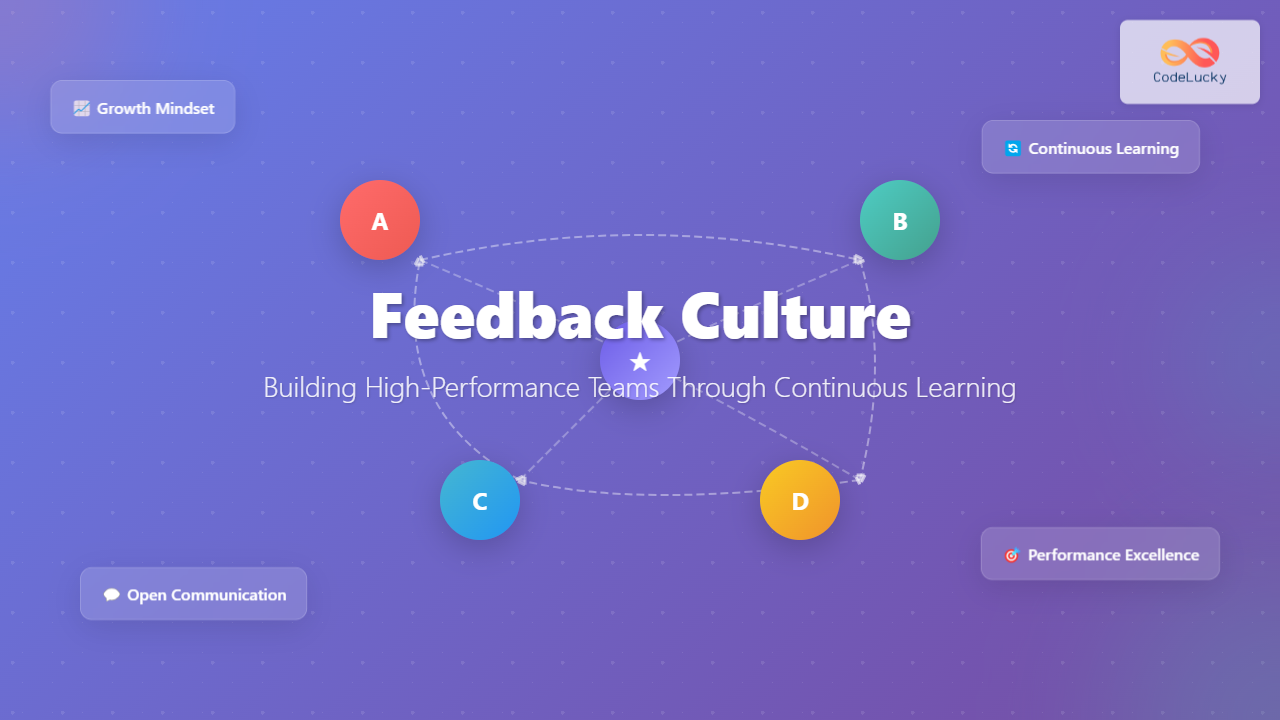
Creating a robust feedback culture is the cornerstone of successful Agile teams and organizations committed to continuous improvement. In today’s rapidly evolving software development landscape, teams that embrace feedback-driven environments consistently outperform their peers by 23% in productivity metrics and show 40% higher employee satisfaction rates.
Understanding Feedback Culture in Agile Environments
A feedback culture represents more than periodic performance reviews or sprint retrospectives. It encompasses a systematic approach to continuous communication, learning, and improvement that permeates every aspect of team interaction. This culture transforms feedback from a formal, often dreaded process into a natural, ongoing conversation that drives both individual and collective growth.
The foundation of effective feedback culture rests on three pillars: psychological safety, structured processes, and continuous learning mindset. When these elements align, teams create an environment where honest communication flourishes, mistakes become learning opportunities, and innovation thrives through collaborative refinement.
Core Components of Effective Feedback Systems
Psychological Safety as the Foundation
Psychological safety forms the bedrock upon which all effective feedback systems are built. Team members must feel secure in expressing opinions, admitting mistakes, and challenging existing processes without fear of retribution or judgment. Research by Google’s Project Aristotle identified psychological safety as the most crucial factor in high-performing teams.
Creating psychological safety requires deliberate leadership actions and consistent team behaviors. Leaders must model vulnerability by acknowledging their own mistakes and uncertainties. They should respond to failures with curiosity rather than blame, asking “What can we learn?” instead of “Who is responsible?” This approach encourages team members to share challenges early, preventing small issues from escalating into major problems.
Structured Feedback Mechanisms
While informal feedback should flow naturally, structured mechanisms ensure comprehensive coverage and consistency. These systems include regular one-on-one meetings, peer feedback sessions, customer feedback loops, and retrospective ceremonies. Each mechanism serves specific purposes and complements others to create a holistic feedback ecosystem.
One-on-one meetings provide private spaces for personal development discussions, career aspirations, and sensitive feedback that might not be appropriate for group settings. These sessions should occur regularly, with both parties preparing talking points and action items. The focus should balance immediate work concerns with longer-term professional growth objectives.
Peer feedback systems enable horizontal learning and support network development. Techniques like peer programming reviews, cross-functional project assessments, and 360-degree feedback circles help team members understand their impact from multiple perspectives. This multi-directional feedback approach reduces blind spots and promotes collective accountability.
Implementing Continuous Learning Frameworks
Learning-Oriented Performance Metrics
Traditional performance metrics often emphasize outcomes over learning processes, potentially discouraging experimentation and risk-taking. Learning-oriented metrics instead measure growth, adaptation, and knowledge acquisition alongside traditional productivity indicators. These might include skills development tracking, experiment completion rates, knowledge sharing contributions, and cross-functional collaboration frequency.
Teams should establish learning objectives for each sprint or project cycle, treating skill development as equally important as feature delivery. This approach ensures that team members continuously expand their capabilities while contributing to immediate business objectives. Regular assessment of learning progress helps identify knowledge gaps and informs future development priorities.
Knowledge Sharing Practices
Effective feedback cultures prioritize knowledge dissemination across team boundaries. Regular tech talks, code review sessions, documentation practices, and mentoring programs ensure that insights gained by individuals benefit the entire organization. These practices transform isolated learning into collective intelligence.
Documentation plays a crucial role in knowledge sharing, but it must be accessible and actionable. Teams should maintain living documents that capture not just what was done, but why decisions were made and what was learned in the process. This context helps future team members understand the reasoning behind existing systems and avoid repeating past mistakes.
Feedback Delivery Techniques and Best Practices
The SBI-I Model for Constructive Feedback
The Situation-Behavior-Impact-Intent (SBI-I) model provides a structured approach to delivering feedback that minimizes defensiveness and maximizes understanding. This framework encourages specific, observable feedback rather than general or judgmental statements.
When using the SBI-I model, start by describing the specific situation where the behavior occurred. Then describe the observable behavior without interpretation or assumption. Next, explain the impact of that behavior on you, the team, or the project. Finally, clarify your positive intent and invite dialogue about the situation.
For example: “During yesterday’s sprint planning meeting (Situation), I noticed you interrupted team members several times while they were explaining their estimates (Behavior). This seemed to rush the discussion and I’m concerned we might have missed important details (Impact). I want to ensure everyone feels heard and we make well-informed decisions (Intent). How did you experience that meeting?”
Timing and Context Considerations
Effective feedback delivery requires careful attention to timing and context. Immediate feedback works best for specific behaviors or decisions, while broader performance discussions benefit from dedicated time and private settings. The emotional state of both giver and receiver significantly impacts feedback reception and processing.
Context also includes the relationship between feedback participants. New team members may need more frequent, supportive feedback, while experienced colleagues might prefer less frequent but more strategic discussions. Cultural backgrounds influence feedback preferences, with some individuals preferring direct communication while others respond better to indirect approaches.
Building Feedback Loops with Stakeholders
Customer Feedback Integration
Agile methodologies emphasize customer collaboration, making customer feedback integration essential for continuous learning. Direct customer feedback loops provide teams with real-world validation of their work and insights into user needs that may not be apparent from internal perspectives.
Effective customer feedback systems include regular user interviews, usability testing sessions, beta programs, and analytics-driven insights. Teams should establish processes for quickly incorporating customer feedback into development cycles, treating user insights as high-priority inputs for product evolution.
Customer feedback should be systematically analyzed and shared across the organization. Patterns in user behavior, common pain points, and feature requests should inform strategic decisions and help teams prioritize their efforts effectively. This external perspective prevents teams from becoming too internally focused and ensures that development efforts align with actual user needs.
Stakeholder Alignment and Communication
Stakeholder feedback helps teams understand the broader business context of their work and ensures alignment with organizational objectives. Regular stakeholder check-ins, demo sessions, and strategic reviews provide opportunities for course correction and priority refinement.
Effective stakeholder communication requires translating technical progress into business value. Teams should prepare clear, non-technical summaries of their work, highlighting how completed features address business objectives and what risks or challenges they’ve identified. This transparency builds trust and enables more informed decision-making at all organizational levels.
Overcoming Common Feedback Culture Challenges
Resistance to Feedback
Resistance to feedback often stems from past negative experiences, fear of judgment, or lack of understanding about feedback’s developmental purpose. Overcoming this resistance requires patience, consistency, and demonstration of feedback’s positive impact on individual and team performance.
Leaders can address resistance by starting with small, low-stakes feedback exchanges and gradually building comfort with more significant discussions. Celebrating examples where feedback led to positive outcomes helps team members see the value of open communication. It’s also important to acknowledge that receiving feedback is a skill that improves with practice.
Feedback Overload and Prioritization
Too much feedback can be as problematic as too little, leading to analysis paralysis and decreased motivation. Teams must develop systems for prioritizing feedback based on impact, urgency, and available resources for implementation.
Effective prioritization involves categorizing feedback into immediate action items, longer-term development goals, and nice-to-have improvements. Teams should focus on a limited number of high-impact changes at any given time, ensuring that improvement efforts don’t overwhelm daily productivity.
Measuring Feedback Culture Effectiveness
Quantitative Metrics
Measuring feedback culture effectiveness requires both quantitative and qualitative approaches. Quantitative metrics might include feedback frequency, response times to improvement suggestions, employee engagement scores, and productivity measures. These numbers provide objective baselines for tracking cultural development over time.
Key performance indicators for feedback culture include the percentage of team members actively participating in feedback processes, the average time between identifying issues and implementing solutions, and the rate of voluntary knowledge sharing activities. These metrics help leadership understand adoption levels and identify areas needing additional support.
Qualitative Assessment Methods
Qualitative assessment captures the nuanced aspects of feedback culture that numbers cannot fully represent. Regular surveys, focus groups, and one-on-one discussions provide insights into team members’ comfort levels, perceived value of feedback processes, and suggestions for improvement.
Anonymous feedback channels allow team members to share honest opinions about the feedback culture without fear of repercussions. These channels often reveal hidden issues or concerns that might not surface in face-to-face discussions. Regular analysis of this qualitative data helps leaders understand the emotional and psychological aspects of their feedback systems.
Technology Tools and Platforms
Digital Feedback Platforms
Modern technology offers numerous tools to support feedback culture development. Platforms like 15Five, Officevibe, and Culture Amp provide structured frameworks for collecting, analyzing, and acting on feedback across organizations. These tools can automate routine feedback collection while providing analytics to identify trends and patterns.
Integration with existing development tools creates seamless feedback workflows. Code review systems, project management platforms, and communication tools can incorporate feedback mechanisms that align with teams’ natural work patterns. This integration reduces friction and increases participation in feedback processes.
Analytics and Feedback Intelligence
Advanced analytics can transform raw feedback data into actionable insights. Sentiment analysis, trend identification, and predictive modeling help leaders understand feedback patterns and proactively address emerging issues. This data-driven approach to feedback culture management ensures that improvement efforts target the most impactful areas.
Feedback intelligence platforms can identify correlations between feedback patterns and performance outcomes, helping organizations understand which cultural interventions produce the best results. This evidence-based approach to culture development increases the likelihood of successful transformation initiatives.
Advanced Feedback Strategies
Cross-Functional Feedback Systems
As organizations become more cross-functional, feedback systems must span traditional departmental boundaries. Cross-functional feedback helps teams understand their impact on other departments and identifies opportunities for improved collaboration.
Implementing cross-functional feedback requires careful coordination to ensure consistency in approach while respecting different departmental cultures and priorities. Regular cross-departmental retrospectives, shared project assessments, and rotation programs can facilitate this broader feedback exchange.
Feedback-Driven Innovation
Advanced feedback cultures use feedback not just for problem-solving but as a driver for innovation and creative thinking. Teams can establish innovation feedback loops where experimental ideas are rapidly tested, evaluated, and refined based on stakeholder input.
This approach requires tolerance for failure and emphasis on learning over immediate success. Teams should celebrate intelligent failures that provide valuable insights, treating them as investments in future innovation rather than setbacks to be avoided.
Future-Proofing Your Feedback Culture
Adapting to Remote and Hybrid Work
The shift toward remote and hybrid work models requires adaptation of traditional feedback approaches. Digital-first feedback systems, asynchronous communication methods, and virtual relationship-building activities become essential for maintaining strong feedback cultures across distributed teams.
Remote feedback culture requires more intentional structure and scheduling than co-located teams. Regular video check-ins, virtual coffee chats, and online collaboration spaces help maintain the personal connections that make feedback effective. Teams must also be more explicit about communication norms and expectations in digital environments.
Continuous Evolution and Adaptation
Feedback cultures must themselves be subject to feedback and continuous improvement. Regular assessment of feedback processes, experimentation with new approaches, and adaptation to changing team needs ensure that feedback systems remain effective and relevant over time.
This meta-feedback approach requires teams to periodically step back and evaluate their feedback culture objectively. What processes are working well? What barriers still exist? How can technology better support feedback exchange? Regular culture retrospectives help teams evolve their feedback practices alongside their other development processes.
Building a thriving feedback culture requires sustained commitment, thoughtful implementation, and continuous refinement. Teams that successfully establish these cultures enjoy improved performance, higher satisfaction, and greater resilience in the face of challenges. The investment in feedback culture development pays dividends through enhanced collaboration, accelerated learning, and more effective problem-solving capabilities that benefit both individuals and organizations in their pursuit of excellence.
Related Posts
Agile Team Dynamics: Building High-Performance Teams That Deliver Results
Agile team dynamics form the backbone of successful software development projects, determining whether teams thrive or struggle in today's fast-paced...
Psychological Safety: Creating Trust in Teams for Enhanced Agile Performance
Psychological safety stands as the cornerstone of high-performing Agile teams, representing the shared belief that team members can express ideas,...
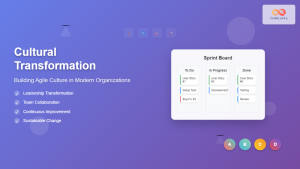
Cultural Transformation: Building Agile Culture in Modern Organizations
Understanding Agile Culture: The Foundation of Organizational Success Cultural transformation in agile organizations goes far beyond adopting new methodologies or...
Performance Management: Agile Approach to Modern Reviews and Continuous Feedback
Understanding Agile Performance Management Traditional performance reviews often fail to capture the dynamic nature of modern software development teams. Agile...

Facilitation Skills: Essential Guide to Guiding Effective Agile Team Interactions
Effective facilitation is the cornerstone of successful Agile teams. Whether you're a Scrum Master, Product Owner, or team lead, mastering...
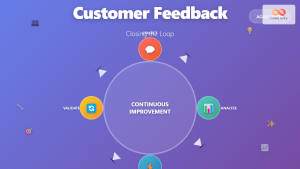
Customer Feedback: Closing the Loop in Agile Development
Understanding the Customer Feedback Loop in Agile The customer feedback loop represents the cornerstone of successful Agile development, transforming how...
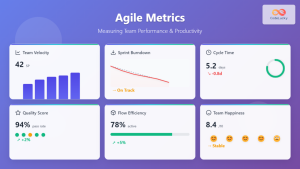
Agile Metrics: Complete Guide to Measuring Team Performance and Productivity
Measuring team performance in agile environments requires a strategic approach that goes beyond traditional project management metrics. Agile metrics provide...
Agile Psychology: Understanding Team Behavior and Mental Dynamics in Software Development
The success of Agile methodologies extends far beyond frameworks and processes—it's deeply rooted in understanding human psychology and team behavior....
Conflict Resolution: Mastering Healthy Team Disagreements in Agile Development
Conflict in Agile teams isn't just inevitable—it's essential for innovation and growth. When managed effectively, healthy disagreements become the catalyst...
Agile Mindset: Developing the Right Mental Framework for Software Success
The agile mindset represents far more than following a set of practices or ceremonies—it's a fundamental shift in how we...
Agile Training: Complete Guide to Building High-Performance Team Capabilities
Agile training has become the cornerstone of modern software development and project management success. Organizations worldwide are investing heavily in...
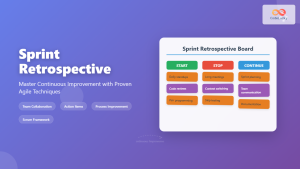
Sprint Retrospective: Master Continuous Improvement with Proven Agile Techniques
Sprint retrospectives are the cornerstone of continuous improvement in Agile development, yet many teams struggle to extract meaningful insights from...