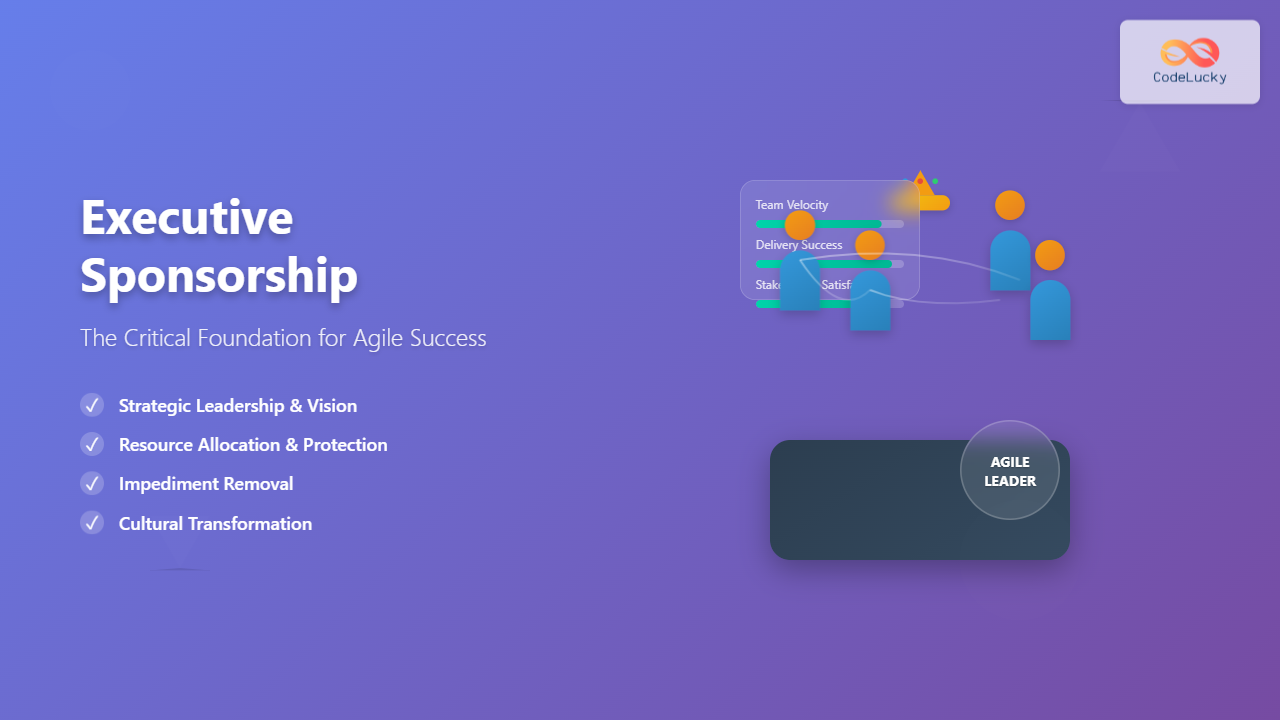
Executive sponsorship stands as the cornerstone of successful Agile implementations, serving as the bridge between strategic business objectives and operational execution. Without strong leadership support, even the most well-designed Agile initiatives struggle to achieve their full potential, often falling victim to organizational resistance, resource constraints, and competing priorities.
Understanding Executive Sponsorship in Agile Context
Executive sponsorship in Agile environments goes beyond traditional project approval and funding. It represents a comprehensive commitment from senior leadership to champion Agile principles, remove organizational impediments, and create an environment where Agile teams can thrive. This sponsorship manifests through active participation, strategic alignment, and unwavering support for the cultural transformation that Agile demands.
The role of executive sponsors extends far beyond initial project authorization. They serve as advocates for Agile methodologies throughout the organization, helping to align business strategy with Agile practices and ensuring that teams have the autonomy and resources necessary to deliver value continuously.
The Business Case for Executive Sponsorship
Organizations with strong executive sponsorship in their Agile initiatives report significantly higher success rates compared to those without dedicated leadership support. Research indicates that projects with active executive sponsorship are 30% more likely to meet their objectives and 40% more likely to be completed on time and within budget.
Executive sponsors provide the strategic vision that connects Agile delivery to business outcomes. They help teams understand not just what they’re building, but why it matters to the organization’s success. This connection between tactical execution and strategic purpose drives higher engagement and more focused effort from development teams.
Quantifiable Benefits of Strong Executive Sponsorship
The impact of executive sponsorship extends across multiple dimensions of organizational performance. Teams with dedicated executive sponsors experience faster decision-making processes, reduced bureaucratic obstacles, and improved access to subject matter experts. These advantages translate directly into shortened development cycles and higher-quality deliverables.
Financial benefits include reduced project costs through improved resource allocation and decreased rework due to clearer requirements and priorities. Organizations also see improved employee satisfaction and retention rates when leadership demonstrates genuine commitment to Agile values and practices.
Key Responsibilities of Executive Sponsors
Executive sponsors must actively participate in the Agile transformation process, not merely observe from the sidelines. Their responsibilities encompass strategic planning, resource allocation, obstacle removal, and cultural leadership. These roles require a deep understanding of Agile principles and a commitment to modeling the behaviors they expect from their teams.
Strategic Alignment and Vision Setting
Executive sponsors translate high-level business objectives into actionable Agile strategies. They ensure that product backlogs reflect genuine business priorities and that team efforts align with organizational goals. This alignment prevents the common pitfall of Agile teams working efficiently on the wrong priorities.
Vision setting involves communicating the “why” behind Agile adoption, helping teams understand how their work contributes to larger organizational success. Sponsors must articulate this vision clearly and consistently, reinforcing it through their actions and decisions.
Resource Allocation and Protection
Effective executive sponsors ensure that Agile teams have the resources they need to succeed, including appropriate staffing, budget allocation, and access to necessary tools and technologies. They protect team capacity by preventing the common practice of overcommitting teams to multiple competing initiatives.
Resource protection also means shielding teams from organizational disruptions that could derail their work. This includes managing competing priorities, preventing scope creep from influential stakeholders, and maintaining team stability during organizational changes.
Impediment Removal and Organizational Change
Executive sponsors serve as escalation points for impediments that teams cannot resolve independently. Their organizational authority enables them to address systemic issues, policy conflicts, and cross-functional coordination challenges that would otherwise slow or stop Agile teams.
This role requires sponsors to be accessible and responsive to team needs. They must establish clear communication channels and commit to addressing escalated issues promptly. Delayed response times can significantly impact team momentum and morale.
Building Effective Executive Sponsorship
Creating strong executive sponsorship requires intentional effort and ongoing cultivation. Organizations must identify the right sponsors, provide them with appropriate support and training, and establish clear expectations for their involvement in Agile initiatives.
Selecting the Right Executive Sponsors
Effective executive sponsors possess several key characteristics that enable them to support Agile teams successfully. They demonstrate genuine interest in Agile principles, maintain credibility within the organization, and have the authority to make decisions and allocate resources. Additionally, they must be accessible to teams and willing to invest time in understanding Agile practices.
The selection process should consider the sponsor’s track record with organizational change initiatives, their communication skills, and their ability to influence other executives. Sponsors who have successfully led transformation efforts in the past are more likely to navigate the challenges of Agile adoption effectively.
Sponsor Education and Development
Executive sponsors need specific training to understand their role in Agile environments. This education should cover Agile principles, common implementation challenges, and practical strategies for supporting teams. Many sponsors come from traditional project management backgrounds and need help understanding how Agile differs from conventional approaches.
Ongoing development programs help sponsors stay current with evolving Agile practices and learn from the experiences of other organizations. Peer learning opportunities, executive coaching, and participation in Agile communities can enhance sponsor effectiveness significantly.
Establishing Clear Expectations and Accountability
Organizations must define clear expectations for executive sponsors, including specific behaviors, time commitments, and success metrics. These expectations should be documented and communicated explicitly to avoid misunderstandings about the sponsor’s role.
Accountability mechanisms ensure that sponsors remain engaged and effective over time. Regular sponsor assessments, feedback from supported teams, and inclusion of Agile leadership in performance evaluations help maintain sponsor commitment and effectiveness.
Common Challenges in Executive Sponsorship
Despite the clear benefits of executive sponsorship, many organizations struggle to establish and maintain effective sponsor relationships. Understanding these challenges enables organizations to proactively address potential issues and create more robust sponsor support systems.
Competing Priorities and Time Constraints
Executive sponsors often face competing demands on their time and attention, making it difficult to provide consistent support to Agile teams. The fast-paced nature of executive roles can conflict with the ongoing attention that Agile initiatives require.
Organizations must help sponsors understand that Agile sponsorship is not a one-time activity but an ongoing commitment. This understanding helps sponsors allocate appropriate time and establish sustainable engagement patterns with their teams.
Misalignment Between Agile Values and Organizational Culture
Traditional organizational cultures may conflict with Agile values, creating tension for executive sponsors who must navigate between established practices and new approaches. This misalignment can lead to inconsistent messaging and confused expectations for teams.
Successful organizations address this challenge by acknowledging cultural conflicts explicitly and working systematically to align organizational practices with Agile principles. This alignment requires patience and persistent effort from executive sponsors.
Lack of Agile Knowledge and Experience
Many executive sponsors lack direct experience with Agile methodologies, making it difficult for them to provide effective guidance and support. This knowledge gap can lead to well-intentioned but counterproductive interventions that undermine team effectiveness.
Comprehensive sponsor education programs address this challenge by providing executives with the knowledge and skills they need to support Agile teams effectively. These programs should include both theoretical understanding and practical application opportunities.
Best Practices for Maintaining Executive Sponsorship
Sustaining effective executive sponsorship over time requires ongoing attention and systematic approaches. Organizations that successfully maintain sponsor engagement implement specific practices that keep sponsors informed, engaged, and committed to Agile success.
Regular Communication and Visibility
Consistent communication between sponsors and teams prevents misunderstandings and maintains alignment. Regular sponsor meetings, progress reports, and demonstration sessions help sponsors stay connected to team activities and outcomes.
Visibility mechanisms should provide sponsors with meaningful insights into team performance and business value delivery. Metrics and reports should focus on outcomes rather than activities, helping sponsors understand the business impact of Agile initiatives.
Continuous Improvement and Adaptation
Effective sponsorship evolves as organizations mature in their Agile journey. Sponsors must adapt their approach based on changing team needs, organizational context, and lessons learned from experience. This adaptability requires ongoing reflection and adjustment of sponsor practices.
Regular retrospectives that include sponsor feedback help identify improvement opportunities and ensure that sponsor support remains relevant and effective. These retrospectives should examine both what sponsors are doing well and areas where they could enhance their support.
Recognition and Success Celebration
Acknowledging and celebrating Agile successes helps maintain sponsor enthusiasm and demonstrates the value of their investment. Recognition programs should highlight both team achievements and sponsor contributions to those successes.
Success stories and case studies help sponsors understand the impact of their support and provide examples they can share with other executives. This sharing helps build broader organizational support for Agile initiatives.
Measuring Executive Sponsorship Effectiveness
Organizations need systematic approaches to assess the effectiveness of their executive sponsorship and identify areas for improvement. Measurement frameworks should capture both quantitative metrics and qualitative indicators of sponsor impact.
Key Performance Indicators for Sponsor Effectiveness
Effective measurement combines leading and lagging indicators to provide a comprehensive view of sponsor impact. Leading indicators include sponsor engagement levels, responsiveness to team needs, and participation in Agile ceremonies. Lagging indicators focus on team performance, delivery outcomes, and business value creation.
Team satisfaction surveys provide valuable insights into sponsor effectiveness from the perspective of those receiving support. These surveys should assess communication quality, accessibility, and the sponsor’s ability to remove impediments and provide necessary resources.
Feedback Mechanisms and Continuous Improvement
Regular feedback collection enables organizations to identify sponsor strengths and development opportunities. Feedback mechanisms should include multiple perspectives, including team members, other executives, and external stakeholders.
Structured feedback processes help sponsors understand their impact and adjust their approach accordingly. This feedback should be specific, actionable, and delivered in a supportive manner that encourages continuous improvement.
Executive Sponsorship in Different Agile Contexts
The nature of executive sponsorship varies depending on the Agile context and organizational structure. Understanding these variations helps organizations tailor their sponsorship approach to their specific situation and needs.
Sponsorship in Scaled Agile Environments
Large organizations implementing scaled Agile frameworks require more complex sponsorship structures. Multiple sponsors may be needed to support different aspects of the transformation, requiring coordination and alignment among sponsor activities.
Scaled environments often require sponsors to work across organizational boundaries, requiring strong collaboration and communication skills. These sponsors must navigate complex stakeholder relationships and competing priorities while maintaining focus on Agile objectives.
Sponsorship for Agile Transformation Initiatives
Organizational transformation initiatives require particularly strong executive sponsorship due to their scope and impact. Transformation sponsors must be prepared to address significant organizational change and resistance while maintaining long-term commitment to Agile adoption.
These sponsors often serve as change agents, helping to shift organizational culture and practices. Their role extends beyond supporting individual teams to influencing broader organizational systems and processes.
Future Trends in Executive Sponsorship
The evolution of Agile practices and organizational structures continues to shape the role of executive sponsors. Understanding emerging trends helps organizations prepare for future sponsorship needs and opportunities.
Digital transformation initiatives increasingly require sponsors who understand both Agile principles and digital technologies. These sponsors must be able to connect technical capabilities with business outcomes while navigating the complexities of digital change.
Remote and distributed team environments create new challenges for executive sponsors, requiring them to adapt their engagement approaches and communication strategies. Sponsors must learn to provide effective support across geographic and cultural boundaries.
Conclusion
Executive sponsorship remains a critical success factor for Agile initiatives across all organizational contexts. The investment in strong sponsor relationships pays dividends through improved team performance, better business outcomes, and more successful organizational transformations.
Organizations that prioritize executive sponsorship development and maintenance create sustainable competitive advantages through their ability to execute Agile initiatives effectively. This capability becomes increasingly important as markets demand faster adaptation and more responsive business practices.
The future success of Agile initiatives will continue to depend on the quality of executive sponsorship. Organizations that understand this dependency and invest accordingly will be better positioned to thrive in an increasingly complex and rapidly changing business environment.
Related Posts
Stakeholder Management: Complete Guide to Engaging All Parties in Agile Projects
Effective stakeholder management is the cornerstone of successful Agile projects. In today's complex business environment, projects involve multiple parties with...
Benefits of Agile Methodology: Why Teams Choose Agile for Project Success
Agile methodology has revolutionized how teams approach project management and software development. Since its introduction through the Agile Manifesto in...
Scaling Agile Adoption: Complete Guide to Enterprise-Wide Transformation Success
Scaling Agile adoption from a single team to an entire enterprise represents one of the most challenging yet rewarding transformations...

Hero Culture: Individual Over Team – Breaking the Agile Anti-Pattern
Understanding Hero Culture in Agile Development Hero culture represents one of the most pervasive anti-patterns in Agile software development, where...
Agile Coaching: Complete Guide to Developing High-Performance Teams and Individuals
What is Agile Coaching? Agile coaching is a specialized discipline that focuses on guiding teams and individuals through their agile...
Pilot Projects: Testing Agile Adoption – Complete Implementation Guide
Transitioning to Agile methodologies represents a significant organizational shift that requires careful planning and execution. Pilot projects serve as crucial...
Agile Mindset: Developing the Right Mental Framework for Software Success
The agile mindset represents far more than following a set of practices or ceremonies—it's a fundamental shift in how we...
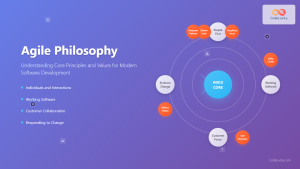
Agile Philosophy: Understanding Core Principles and Values for Modern Software Development
Introduction to Agile Philosophy Agile philosophy represents a fundamental shift in how software development teams approach project management, collaboration, and...
Fake Agile: Superficial Adoption – How to Identify and Overcome Agile Theater
Fake agile, also known as "agile theater" or superficial agile adoption, represents one of the most significant obstacles to successful...
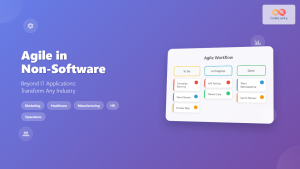
Agile in Non-Software: Complete Guide to Implementation Beyond IT Applications
Introduction to Agile Beyond Software Development While Agile methodologies originated in software development, their core principles of flexibility, collaboration, and...
Agile Governance: Mastering the Balance Between Control and Flexibility in Modern Organizations
Agile governance represents one of the most critical challenges facing modern organizations today. As businesses strive to remain competitive in...
Agile Training: Complete Guide to Building High-Performance Team Capabilities
Agile training has become the cornerstone of modern software development and project management success. Organizations worldwide are investing heavily in...