As cryptocurrencies continue to redefine the financial landscape in 2025, the question is no longer whether to invest in crypto — but how to store and secure it safely. A crypto wallet is essential for every investor, yet many fail to understand its importance until it’s too late. This guide from CodeLucky.com dives deep into how crypto wallets work, their different types, and the best practices for securing your crypto investments.
What Is a Crypto Wallet?
A crypto wallet is a digital tool that allows users to store, send, and receive cryptocurrencies. Unlike a physical wallet, it doesn’t hold actual coins. Instead, it stores the cryptographic keys — your proof of ownership for blockchain assets.

In simple terms, your public key acts like your account number that anyone can send crypto to, while your private key is the secret password that lets you spend or transfer those funds.
Types of Crypto Wallets
Crypto wallets are classified into two main categories: Hot wallets (connected to the internet) and Cold wallets (offline). Below we explore each type in more detail with practical pros and cons.
1. Hot Wallets
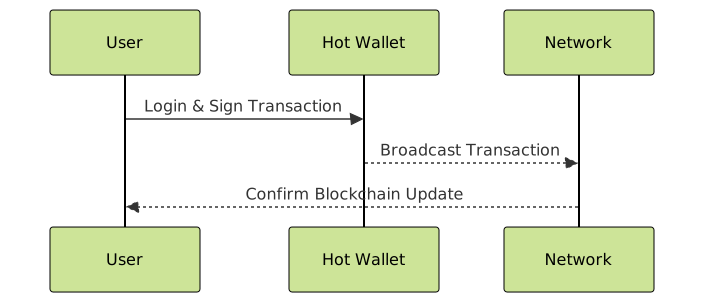
Hot wallets are software-based and stay connected to the internet at all times, making them user-friendly for frequent traders.
- Examples: MetaMask, Trust Wallet, Coinbase Wallet
- Advantages: Quick access, free setup, and integration with decentralized apps (DApps).
- Disadvantages: Vulnerable to hacks, phishing, and malware attacks.
2. Cold Wallets
Cold wallets store crypto offline, disconnected from the internet. They are ideal for long-term holders or investors managing large portfolios.
- Examples: Ledger Nano X, Trezor Model T, Paper wallets
- Advantages: Immune to online attacks, secure for HODLing.
- Disadvantages: Less convenient, physical loss risk if not backed up.
How Wallet Security Works
At the core of wallet security lies encryption and private key management. Every wallet encrypts your private key with a security phrase called a seed phrase — a list of 12 or 24 randomly generated words used to recover your wallet.
Here’s how the secure transaction flow works:

Common Threats and How to Prevent Them
Crypto may offer high potential returns, but it also carries unique digital risks. Educating yourself on common security threats and proper prevention measures can safeguard your portfolio.
- Phishing: Fake websites or emails trick users into entering seed phrases. Always verify URLs.
- Malware: Keyloggers or clipboard hijackers can steal credentials. Use antivirus and secure devices.
- SIM Swapping: Attackers gain control of your phone number to reset wallet access.
- Scams: Never share your seed phrase, even with supposed “support agents.”

Best Practices to Secure Your Wallet
To ensure your crypto remains safe, adopt these best practices recommended by security experts:
- Enable Two-Factor Authentication (2FA) for all wallets and exchanges.
- Use a hardware wallet for long-term holdings.
- Write down your seed phrase securely — never store it digitally.
- Keep crypto software and firmware updated.
- Create multiple backups and store them in different physical locations.

Interactive Example: Testing Seed Phrase Knowledge
You can try this simple interactive JavaScript concept to test your crypto seed phrase understanding.
<input type="password" id="seed" placeholder="Enter your 12-word seed phrase safely">
<button onclick="validateSeed()">Validate</button>
<script>
function validateSeed() {
  const seed = document.getElementById('seed').value.trim();
  const words = seed.split(/\s+/);
  if (words.length === 12 || words.length === 24) {
    alert("✅ Looks structurally valid (Do NOT test real phrases).");
  } else {
    alert("⚠️ Invalid seed phrase length.");
  }
}
</script>
Conclusion
Crypto wallets are not just storage tools — they are the foundation of your digital wealth defense system. Whether you choose a hot wallet for flexibility or a cold one for maximum security, always remember that your private keys are your coins. Stay informed, back up responsibly, and manage your crypto assets like a professional investor.
Written for CodeLucky.com — empowering smart investors for a secure crypto future.