Crypto Investing: Blockchain Basics for Beginners is your complete guide to understanding how blockchain powers modern cryptocurrency investment. Whether you’re curious about Bitcoin, Ethereum, or decentralized finance (DeFi), this article breaks down the complex jargon into simple, actionable insights—with vivid examples and diagrams to bring blockchain to life.
What Is Blockchain?
At its core, a blockchain is a distributed digital ledger that records transactions securely and transparently across a global network of computers. Unlike traditional banks that keep centralized databases, blockchains are decentralized—meaning no single entity owns or controls them.
Each record on the blockchain is called a block, and blocks are linked chronologically to form a chain. The structure ensures that once data is written, it cannot be altered without consensus from the network.

Example:
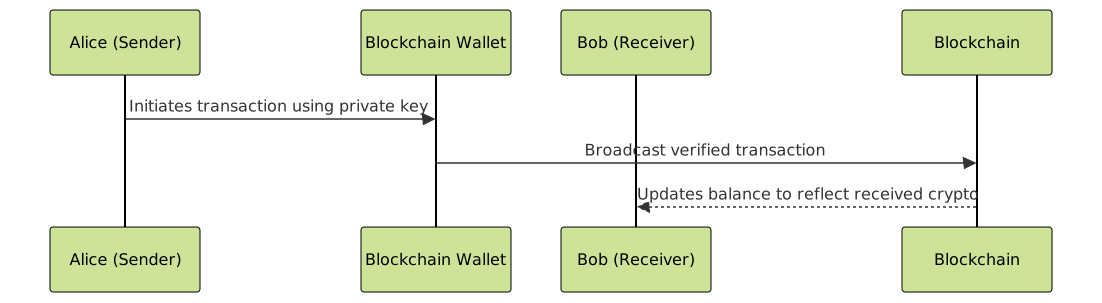
Suppose Alice sends 0.01 BTC to Bob. Once Alice initiates the transfer:
- The transaction is broadcast to the Bitcoin network.
- Miners verify whether Alice’s wallet has enough balance.
- The transaction is bundled with others into a block.
- Once approved, the block joins the chain permanently.
This entire process happens securely, without any bank or intermediary.
Why Blockchain Matters for Investors
Blockchain technology underpins every crypto asset. Understanding its principles helps investors make informed decisions about:
- Security: Blockchain prevents data tampering through cryptographic hashing and decentralization.
- Transparency: All transactions are publicly viewable, making it difficult for fraudulent behavior to go unnoticed.
- Access: Anyone with internet access can participate—opening markets to millions of new investors worldwide.
How a Blockchain Works Internally
Each block contains three key components:
- Data: Transaction details (e.g., sender, receiver, amount).
- Hash: A unique digital fingerprint of the block.
- Previous Hash: Links the block to the prior one, securing the chain.

If someone tries to change data in Block #2, its hash will change, breaking the link between blocks. The network immediately detects the tampering and rejects it.
Decentralization Explained
Decentralization means that the blockchain isn’t stored in one place. Instead, copies of the ledger are distributed across thousands of computers (nodes) worldwide. This makes the network resilient—if one node fails, others maintain the record.

Why This Matters:
- No single point of failure, unlike centralized systems.
- Harder for hackers to alter global records.
- Stronger trust between participants even without direct relationships.
Crypto Wallets and Keys
To invest in cryptocurrencies, you need a wallet—a digital tool for storing and managing crypto assets. Wallets use private and public keys for transactions.
The public key is like your bank account number; anyone can use it to send you crypto. The private key is like your password; it authorizes spending your crypto. Never share your private key.
Smart Contracts: Automation in Action
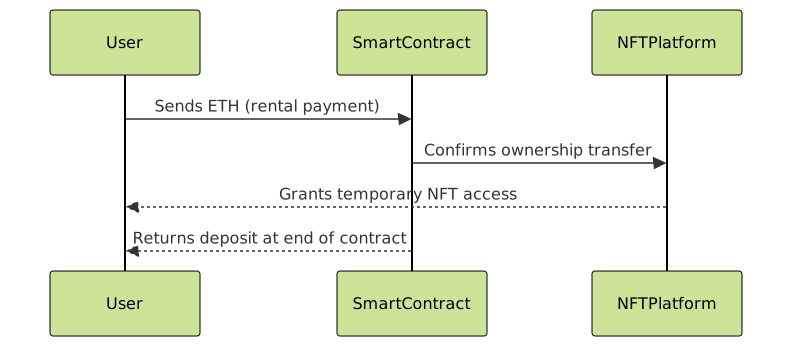
A smart contract is a self-executing piece of code on a blockchain. It automatically enforces terms without intermediaries. Smart contracts are the backbone of DeFi, NFTs, and even blockchain gaming ecosystems.
Example:
Imagine you want to rent a digital art NFT. You send Ethereum to a smart contract. When the payment is verified, the NFT automatically transfers to your wallet—no need for a middleman.
Real-World Use Cases
- Bitcoin: Digital gold and a store of value.
- Ethereum: Platform for smart contracts and decentralized apps (dApps).
- DeFi: Lending, borrowing, and trading without banks.
- NFTs: Digital assets representing art, collectibles, and identity.
Risks and Cautions for Beginners
While blockchain offers transparency and innovation, crypto investing carries risks:
- Volatile price fluctuations can cause large losses.
- Lost private keys mean permanent loss of funds.
- Unregulated markets expose investors to scams or rug pulls.
Always research projects, diversify your holdings, and use secure, hardware-based wallets when possible.
Interactive Learning Example
Try this mental simulation: imagine each friend in your social group keeps a copy of your shared expense log. When someone reports a payment, everyone updates their copy only after verifying the entry. That’s blockchain logic in real life—trust built through consensus, not a central authority.
Conclusion
Understanding the basics of blockchain gives you the foundation to invest confidently in crypto markets. Whether you’re buying your first Bitcoin or exploring DeFi protocols, always ground decisions in knowledge. Stay updated, secure your keys, and remember—blockchain rewards those who understand how it works.