Credit score is one of the most critical numbers that define your financial identity. Whether you’re applying for a loan, credit card, or even renting an apartment, this three-digit number plays a decisive role. In simple terms, a credit score reflects how trustworthy you are in repaying borrowed money.
This article explains what affects your credit score, how these factors are calculated, and how to improve them with practical examples and visual breakdowns.
What Is a Credit Score?
A credit score is a numerical representation of your creditworthiness, usually ranging from 300 to 900 in India (CIBIL) or 300 to 850 in international scoring systems like FICO or VantageScore.
The closer your score is to the upper limit, the more financially reliable you appear to lenders. A good credit score helps you secure loans at lower interest rates and quicker approvals.
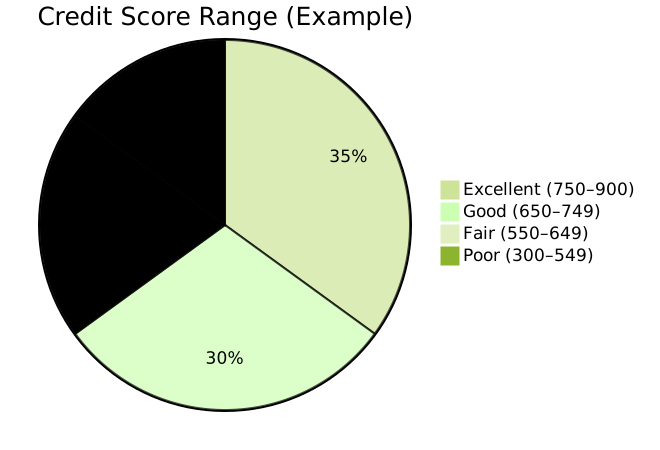
Key Factors That Affect Your Credit Score
Credit scoring models consider multiple elements. Some factors carry more weight than others, and understanding them helps you take control of your credit health.
1. Payment History (35%)
This is the most influential factor. Lenders want to know if you pay back loans on time. Every missed or delayed payment can lower your score significantly.
Example: If you miss a credit card payment of ₹2,000 that’s overdue by more than 30 days, this can reduce your score by up to 50–100 points depending on frequency.

2. Credit Utilization Ratio (30%)
This ratio refers to how much of your available credit you are using. Ideally, you should keep your utilization below 30%.
Example: If your total credit limit is ₹1,00,000, try not to use more than ₹30,000 at a time. This shows responsible credit management.
Pro Tip: Instead of closing old cards, keep them active with minimal use — it helps reduce overall utilization.
3. Credit History Length (15%)
The longer your credit accounts have been active, the better your score tends to be. Older accounts show consistency and stable financial behavior.
Example: A five-year-old active credit card impacts your score more positively than a new one used just for six months.
4. Credit Mix (10%)
Lenders prefer borrowers who can handle different types of debt — both secured (home, auto loan) and unsecured (credit card, personal loan).
Example: Someone managing a home loan and a credit card responsibly is seen as more creditworthy than someone with only multiple credit cards.
5. New Credit Inquiries (10%)
Each time you apply for credit, a hard inquiry gets recorded. Too many inquiries in a short time can signal financial stress and lower your score.
Example: Applying for three personal loans within two weeks can temporarily reduce your score by about 10–20 points per inquiry.
Factors That Do NOT Affect Your Credit Score
- Checking your own credit report (soft inquiry).
- Your income level or profession.
- Marital status or age.
- Utility and mobile bill payment patterns (unless reported by the provider).
How to Improve Your Credit Score
Improving your credit score requires patience and consistent action. Here are effective steps:
- Pay your bills on time: Set reminders or enable auto-pay for EMIs and credit cards.
- Reduce credit utilization: Spend only what you can repay comfortably within 30 days.
- Retain older accounts: Keep long-standing credit cards active with small, regular payments.
- Limit new credit requests: Apply for new loans only when necessary.
- Check your credit report regularly: Identify and dispute any errors promptly.

Interactive Example: Calculate Your Own Credit Utilization
You can check your utilization ratio using this simple formula:
Utilization (%) = (Total Outstanding Balance / Total Credit Limit) × 100
Example: If you have two credit cards with limits ₹40,000 and ₹60,000, and your total spending is ₹25,000:
Utilization = (25,000 / 1,00,000) × 100 = 25%
That’s a healthy ratio indicating responsible usage.
Conclusion
Your credit score is more than just a number — it’s the foundation of your financial reputation. By understanding what affects it and practicing responsible credit habits, you can steadily build a strong, reliable profile that earns lender trust and benefits your long-term goals.
Focus on consistency — even small, steady improvements can lead to big results over time.