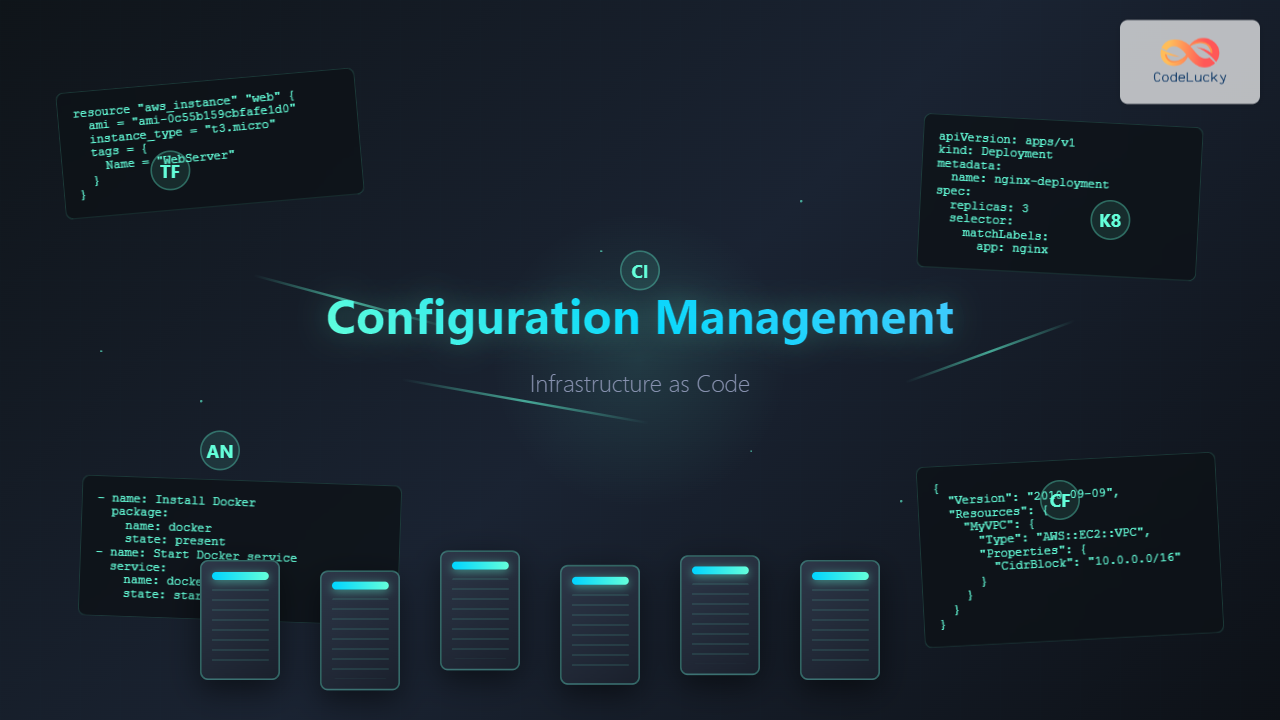
Configuration Management and Infrastructure as Code (IaC) have revolutionized how modern organizations approach infrastructure deployment and management in Agile environments. This comprehensive guide explores the essential concepts, tools, and best practices that enable teams to treat infrastructure with the same rigor and methodology as application code.
Understanding Infrastructure as Code
Infrastructure as Code represents a paradigm shift from manual infrastructure management to automated, code-driven approaches. Instead of configuring servers, networks, and cloud resources through graphical interfaces or command-line tools, IaC enables teams to define infrastructure using declarative configuration files.
This approach brings several transformative benefits to Agile development teams. First, it ensures consistency across environments by eliminating configuration drift that commonly occurs with manual processes. Second, it enables version control for infrastructure changes, providing the same tracking and rollback capabilities that development teams enjoy with application code.
The core principle behind IaC is treating infrastructure as a first-class citizen in the software development lifecycle. This means infrastructure changes undergo the same review processes, testing procedures, and deployment pipelines as application features.
Core Components of Configuration Management
Effective configuration management in IaC environments relies on several key components working together harmoniously. Understanding these components is crucial for implementing robust infrastructure automation.
Declarative Configuration Files
Declarative configuration files serve as the foundation of IaC implementations. These files describe the desired state of infrastructure components without specifying the exact steps needed to achieve that state. Popular formats include YAML, JSON, and domain-specific languages like HashiCorp Configuration Language (HCL).
The declarative approach offers significant advantages over imperative scripting. When infrastructure changes are needed, teams modify the configuration files to reflect the new desired state, and the IaC tool handles the necessary creation, modification, or deletion of resources to achieve that state.
State Management
State management is perhaps the most critical aspect of IaC implementations. The state represents the current configuration of managed infrastructure resources and serves as the source of truth for the IaC system. Proper state management ensures that infrastructure changes are applied correctly and safely.
Most IaC tools maintain state files that track resource relationships, dependencies, and metadata. These state files must be stored securely and accessed by authorized team members and automated systems. Cloud-based state backends provide collaboration features, locking mechanisms, and backup capabilities essential for team environments.
Resource Dependencies and Orchestration
Modern infrastructure consists of interconnected resources with complex dependency relationships. Effective IaC tools automatically detect and manage these dependencies, ensuring resources are created, modified, and destroyed in the correct order.
Dependency management becomes particularly important in cloud environments where resources like security groups must exist before instances can reference them, or where load balancers depend on target groups that depend on instances.
Popular Infrastructure as Code Tools
The IaC ecosystem offers numerous tools, each with distinct strengths and use cases. Understanding the capabilities and trade-offs of major tools helps teams make informed decisions for their specific requirements.
Terraform
Terraform stands out as one of the most versatile and widely adopted IaC tools. Developed by HashiCorp, Terraform supports multiple cloud providers and on-premises infrastructure through its provider ecosystem.
Terraform’s strength lies in its declarative HCL syntax and robust state management capabilities. The tool excels at managing complex, multi-cloud environments and provides excellent planning capabilities that show exactly what changes will be applied before execution.
Key Terraform features include modular configuration through modules, comprehensive provider support covering major cloud platforms, and a rich ecosystem of community-contributed modules and providers.
AWS CloudFormation
CloudFormation represents AWS’s native IaC solution, offering deep integration with AWS services and features. While limited to AWS environments, CloudFormation provides comprehensive coverage of AWS resources and services.
CloudFormation templates use JSON or YAML syntax to define AWS infrastructure stacks. The service handles dependency resolution, rollback capabilities, and drift detection natively within the AWS ecosystem.
Organizations heavily invested in AWS often prefer CloudFormation for its seamless integration with AWS Identity and Access Management (IAM), CloudTrail logging, and other AWS governance tools.
Ansible
Ansible approaches infrastructure management from a configuration management perspective, excelling at both infrastructure provisioning and ongoing configuration maintenance. Its agentless architecture and simple YAML syntax make it particularly appealing for teams new to automation.
Ansible playbooks define tasks that can provision infrastructure, configure applications, and manage ongoing operations all within the same framework. This unified approach appeals to teams seeking consistency across different operational tasks.
The tool’s extensive module library covers cloud providers, operating systems, applications, and network devices, making it suitable for heterogeneous environments.
Pulumi
Pulumi represents a newer approach to IaC, allowing teams to define infrastructure using familiar programming languages like Python, TypeScript, Go, and C#. This approach appeals to development teams who prefer using general-purpose programming languages over domain-specific configuration languages.
Pulumi’s programming language approach enables sophisticated logic, loops, and functions within infrastructure definitions. Teams can leverage existing programming knowledge, libraries, and tooling when working with infrastructure code.
Implementing IaC in Agile Environments
Successfully implementing Infrastructure as Code within Agile development practices requires careful consideration of team workflows, sprint planning, and continuous integration processes.
Sprint Integration and Planning
Infrastructure requirements should be identified and planned during sprint planning sessions alongside application features. This ensures that infrastructure changes receive appropriate time allocation and don’t become blockers for feature development.
Agile teams often benefit from creating infrastructure user stories that define specific infrastructure requirements, acceptance criteria, and testing approaches. These stories can be estimated and tracked using the same methodologies applied to application development stories.
Cross-functional collaboration becomes essential when infrastructure changes support application features. Development teams, operations engineers, and security specialists must work together to ensure infrastructure changes align with application requirements and organizational policies.
Continuous Integration and Deployment
IaC implementations thrive when integrated into continuous integration and deployment pipelines. Infrastructure changes should undergo the same quality gates as application code, including code review, automated testing, and staged deployments.
Effective CI/CD pipelines for IaC include several key stages. Code validation ensures configuration files are syntactically correct and follow organizational standards. Security scanning identifies potential security misconfigurations before deployment. Plan generation and review provide visibility into proposed changes before execution.
Staged deployments allow teams to test infrastructure changes in development and staging environments before applying them to production. This approach reduces risk and provides opportunities to validate changes under realistic conditions.
Best Practices and Design Patterns
Mature IaC implementations follow established patterns and practices that improve maintainability, security, and collaboration. These practices have emerged from real-world experience across diverse organizations and use cases.
Modular Design and Reusability
Modular design principles apply strongly to infrastructure code. Well-designed modules encapsulate related resources and provide clean interfaces for configuration and customization. This approach promotes reusability across projects and environments while maintaining consistency.
Effective modules define clear input parameters, output values, and internal resource relationships. They should be versioned and tested independently to ensure stability and backwards compatibility.
Organizations often maintain internal module libraries that capture approved infrastructure patterns and compliance requirements. These libraries accelerate development while ensuring consistency across teams and projects.
Environment Management Strategies
Managing multiple environments (development, staging, production) requires careful consideration of configuration differences and promotion processes. Common approaches include environment-specific configuration files, parameterized templates, and workspace-based segregation.
Environment-specific configurations allow for different resource sizes, counts, and settings while maintaining the same overall architecture. This approach works well when environments have significantly different requirements but follow similar patterns.
Workspace-based approaches use the same configuration files across environments but maintain separate state and variable files. This strategy ensures environment consistency while allowing for necessary differences in scale and configuration.
Security and Compliance Integration
Security considerations must be integrated throughout the IaC lifecycle, from initial design through ongoing maintenance. Policy as Code tools enable automated security and compliance checking within CI/CD pipelines.
Secrets management requires special attention in IaC implementations. Sensitive values like passwords, API keys, and certificates should never be stored in configuration files or version control systems. Instead, they should be retrieved from secure secret management systems during deployment.
Regular security scanning of infrastructure code helps identify misconfigurations, outdated resource settings, and compliance violations before they reach production environments.
Monitoring and Maintenance
Successful IaC implementations require ongoing monitoring, maintenance, and evolution. This includes tracking configuration drift, managing updates, and optimizing costs and performance.
Configuration Drift Detection
Configuration drift occurs when the actual state of infrastructure differs from the desired state defined in IaC configurations. This can happen due to manual changes, external automation, or service provider updates.
Regular drift detection helps maintain infrastructure consistency and security. Many IaC tools provide built-in drift detection capabilities, while others integrate with external monitoring solutions.
Addressing drift requires clear processes for evaluating changes, updating configurations when appropriate, and reverting unauthorized modifications.
Cost Optimization and Resource Management
IaC provides excellent visibility into resource usage and costs, enabling proactive optimization. Regular reviews of infrastructure configurations can identify opportunities for rightsizing, reserved capacity utilization, and resource cleanup.
Automated cost monitoring and alerting help teams stay within budget constraints while identifying unexpected spending patterns. Many organizations implement approval processes for changes that significantly impact costs.
Resource tagging strategies enable better cost tracking and allocation across teams, projects, and environments. Consistent tagging should be enforced through IaC configurations and automated policies.
Common Challenges and Solutions
Organizations implementing IaC often encounter similar challenges. Understanding these common pitfalls and their solutions can accelerate successful adoption.
Team Adoption and Training
Cultural change often represents the biggest challenge in IaC adoption. Teams accustomed to manual infrastructure management may resist adopting code-driven approaches. Successful adoption requires investment in training, clear communication of benefits, and gradual migration strategies.
Hands-on training programs help teams develop necessary skills while building confidence with new tools and processes. Pairing experienced IaC practitioners with team members new to the approach accelerates learning and reduces resistance.
Starting with non-critical environments and gradually expanding to production systems allows teams to build expertise while minimizing risk.
Tool Selection and Integration
The abundance of IaC tools can make selection challenging. Organizations should evaluate tools based on their specific requirements, existing technology stacks, and team capabilities rather than choosing based solely on popularity or features.
Integration with existing systems, including monitoring, security, and deployment tools, significantly impacts the success of IaC implementations. Understanding integration requirements early in the selection process prevents costly changes later.
Many organizations benefit from proof-of-concept implementations that allow hands-on evaluation of different tools with real infrastructure requirements.
Scale and Complexity Management
As infrastructure grows in size and complexity, IaC implementations can become difficult to manage. Effective strategies include modular architectures, clear naming conventions, and automated testing approaches.
Large-scale implementations benefit from clear governance structures that define responsibilities, approval processes, and change management procedures. These structures ensure that infrastructure changes align with organizational objectives while maintaining security and compliance requirements.
Future Trends and Evolution
The IaC landscape continues evolving rapidly, driven by cloud adoption, containerization, and emerging technologies. Understanding these trends helps organizations prepare for future requirements and opportunities.
GitOps and Infrastructure
GitOps extends Git-based workflows to infrastructure management, treating Git repositories as the single source of truth for both application and infrastructure configurations. This approach provides enhanced audit trails, simplified rollbacks, and improved collaboration.
GitOps implementations often integrate IaC tools with continuous deployment systems that automatically apply infrastructure changes when configurations are updated in version control. This creates a fully automated pipeline from code commit to infrastructure deployment.
Policy as Code Integration
Policy as Code tools are becoming increasingly important for managing security, compliance, and governance requirements in automated infrastructure environments. These tools enable organizations to codify policies and automatically enforce them throughout the infrastructure lifecycle.
Integration between IaC and Policy as Code tools creates comprehensive governance frameworks that prevent misconfigurations while enabling rapid, safe infrastructure changes.
AI and Machine Learning Applications
Artificial intelligence and machine learning are beginning to impact infrastructure management through intelligent resource sizing, predictive scaling, and automated optimization recommendations.
Future IaC tools may incorporate AI capabilities to suggest infrastructure improvements, detect anomalies, and optimize configurations based on usage patterns and performance metrics.
Conclusion
Configuration Management through Infrastructure as Code represents a fundamental shift in how organizations approach infrastructure in Agile environments. The benefits of consistency, version control, automation, and collaboration make IaC essential for modern software development practices.
Success with IaC requires more than tool selection; it demands organizational commitment to process change, team training, and continuous improvement. Organizations that invest in proper IaC implementation gain significant advantages in deployment speed, infrastructure reliability, and operational efficiency.
As cloud adoption accelerates and infrastructure becomes increasingly complex, IaC skills become more valuable for development and operations teams. The investment in learning and implementing these practices pays dividends through improved productivity, reduced errors, and enhanced collaboration between development and operations teams.
The future of infrastructure management lies in treating infrastructure as code, and organizations that embrace this approach position themselves for success in an increasingly automated and cloud-centric world.
Related Posts
Continuous Delivery: Automated Software Release Pipeline Guide for Modern Development Teams
Continuous Delivery (CD) represents a fundamental shift in how modern software teams approach releases, transforming the traditional manual, error-prone deployment...
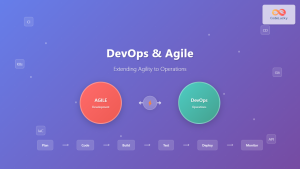
DevOps and Agile: Extending Agility to Operations – Complete Guide for Modern Software Delivery
The evolution of software development has witnessed remarkable transformations, from traditional waterfall methodologies to Agile practices, and now to the...
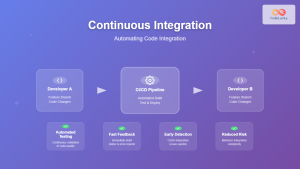
Continuous Integration: Automating Code Integration for Modern Development Teams
Continuous Integration (CI) has revolutionized how development teams collaborate, integrate code changes, and deliver software. As a cornerstone of modern...
Mastering Git: The Cornerstone of DevOps Collaboration
Welcome back to our "DevOps from Scratch" series! In our previous post, we explored the fundamentals of DevOps and its...
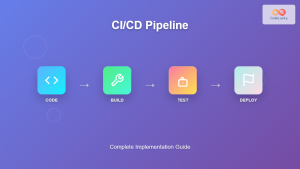
CI/CD Pipeline: Complete Implementation Guide for Modern DevOps Teams
What is a CI/CD Pipeline? A CI/CD pipeline (Continuous Integration/Continuous Deployment) is an automated workflow that enables development teams to...
Cloud-Native Agile: Revolutionizing Born-in-the-Cloud Development Practices
Cloud-native agile development represents a paradigm shift that fundamentally transforms how software teams approach application development, deployment, and maintenance. This...
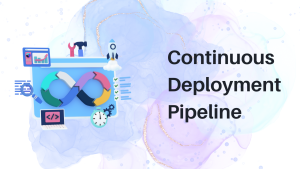
Mastering Continuous Deployment: Automating Your Way to Rapid, Reliable Releases
Welcome back to our "DevOps from Scratch" series! In our previous posts, we've explored the fundamentals of DevOps, Git workflows,...
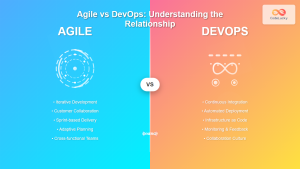
Agile vs DevOps: Understanding the Relationship Between Two Powerful Software Development Methodologies
In today's fast-paced software development landscape, organizations are constantly seeking methodologies that can accelerate delivery while maintaining quality. Two prominent...
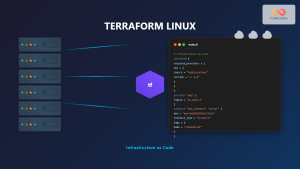
Terraform Linux: Complete Infrastructure as Code Management Guide
Terraform is a powerful open-source Infrastructure as Code (IaC) tool that allows you to define, provision, and manage infrastructure resources...
Continuous Deployment: Complete Guide to Fully Automated Software Releases
Continuous Deployment (CD) represents the pinnacle of software delivery automation, where every code change that passes automated tests gets deployed...
Integration Testing: Continuous Integration Best Practices and Implementation Guide
Understanding Integration Testing in Continuous Integration Integration testing within a continuous integration (CI) framework represents a critical shift from traditional...
Building a Robust Continuous Integration Pipeline: The DevOps Accelerator
Welcome back to our "DevOps from Scratch" series! In our previous posts, we explored the fundamentals of DevOps and dove...