Understanding Carbon Neutral Hosting
Carbon neutral hosting refers to the process of offsetting or minimizing the carbon emissions caused by running websites on servers, a crucial initiative as the internet contributes significantly to global carbon footprints. Websites require data centers fuelled by electricity which often comes from fossil fuels. Carbon neutral hosting aims to balance or eliminate these emissions through renewable energy use, efficient infrastructure, and purchasing carbon offsets.
Implementing carbon neutral hosting not only positively impacts the environment but also appeals to eco-conscious users and businesses.
Why Your Website’s Carbon Footprint Matters
Data centers consume a vast amount of energy worldwide: powering servers, cooling systems, and networking equipment around the clock. Each visit to your website requires data processing and transmission, generating a measurable carbon footprint. As website traffic grows, so does energy consumption, making sustainable hosting a critical step for reducing environmental impact.
Awareness about a website’s carbon footprint helps developers and businesses prioritize greener practices, leading to actionable strategies such as choosing carbon-neutral hosting services or optimizing website performance to reduce energy use.
Key Components of Carbon Neutral Hosting
- Renewable Energy-Powered Data Centers: Data centers run on solar, wind, or hydroelectric power instead of fossil fuels.
- Energy Efficiency: Using advanced cooling technologies, server virtualization, and efficient hardware reduces energy consumption.
- Carbon Offsetting: Investing in environmental projects like reforestation or renewable energy generation to neutralize remaining emissions.
How to Offset Your Website’s Environmental Impact: A Step-by-Step Guide
1. Measure Your Website’s Carbon Footprint: Use tools such as Website Carbon Calculator or Ecosia’s Web Carbon Calculator to estimate emissions based on traffic and data transfer.
2. Choose a Green Web Hosting Provider: Select hosts committed to renewable energy and carbon-neutral practices. Examples include GreenGeeks, A2 Hosting, and SiteGround.
3. Optimize Website Performance: Streamline code, compress images, leverage caching, and minimize resource requests to reduce data transferred per page load.
4. Purchase Carbon Offsets: Invest in certified offset programs to compensate for emissions that cannot be eliminated.
5. Communicate Your Efforts: Showcase your commitment to sustainability through badges, blog posts, and transparency, engaging visitors with your green initiatives.
Example: Visualizing Website Carbon Offset Flow

This simple flowchart explains the balance between energy use in hosting and carbon offsetting leading to neutrality.
Interactive Illustration Idea
Consider embedding a small widget where users input their website traffic to estimate their carbon emissions and see suggestions for offsetting or hosting providers. Such interaction helps personalize the green hosting message and encourages immediate action.
Technical Optimizations for Reducing Hosting Energy
- Content Delivery Networks (CDNs): Use CDNs to distribute content closer to users, reducing data travel distance and energy use.
- Efficient Coding Practices: Minimize resource-heavy scripts, reduce HTTP requests, and use modern frameworks with smaller footprints.
- Image Optimization: Employ modern image formats like WebP and lazy loading to cut bandwidth and load times.
Example: Energy Consumption Breakdown Diagram
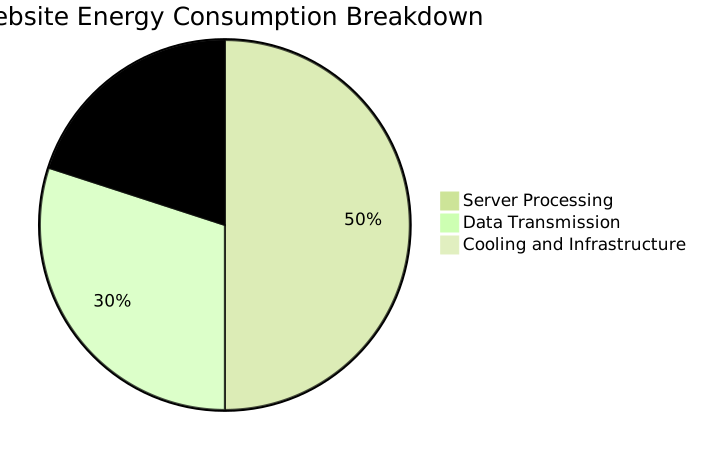
This pie chart illustrates how energy is spent in different parts of web hosting, highlighting areas for improvement.
Carbon Neutral Hosting Providers to Consider
| Hosting Provider | Carbon Neutral Initiatives | Additional Sustainability Features |
|---|---|---|
| GreenGeeks | 300% Renewable Energy Matching | Eco-friendly data centers, energy-efficient hardware |
| A2 Hosting | Carbon Offset Purchases | SSD servers for energy efficiency |
| SiteGround | Renewable Energy Usage | Efficient cooling, reduced hardware waste |
Example: Simplified Hosting Decision Flowchart

Conclusion: Taking Responsibility for a Greener Web
Carbon neutral hosting is a vital approach to reduce the environmental footprint of the digital world. By combining renewable energy use, energy efficiency, and carbon offsetting, website owners can contribute to global climate action. Implementing these practices not only supports a sustainable future but also builds brand value with environmentally conscious visitors.
Start today by measuring your website’s carbon footprint, choosing a green host, or optimizing your site—small steps that collectively make a big difference.