Agile training has become the cornerstone of modern software development and project management success. Organizations worldwide are investing heavily in building team capabilities that can adapt, collaborate, and deliver value consistently. This comprehensive guide explores proven strategies for implementing effective agile training programs that transform teams into high-performing units.
Understanding Agile Training Fundamentals
Agile training encompasses more than learning frameworks like Scrum or Kanban. It involves developing a mindset shift that prioritizes collaboration, continuous improvement, and customer value delivery. Successful agile training programs address both technical skills and cultural transformation, ensuring teams can navigate complex projects with confidence and efficiency.
The foundation of effective agile training lies in understanding that agile is not just a methodology—it’s a philosophy that requires dedicated practice and continuous learning. Teams must develop capabilities in areas including iterative planning, adaptive communication, and rapid problem-solving to achieve sustainable success.
Essential Components of Comprehensive Agile Training
Core Agile Principles and Values
Every successful agile training program begins with a thorough understanding of the Agile Manifesto and its twelve principles. Team members must internalize these values to make informed decisions during project execution. Training should emphasize practical application rather than theoretical memorization, helping participants understand how these principles guide daily work activities.
Interactive workshops that simulate real-world scenarios help teams practice applying agile values in challenging situations. Role-playing exercises, case studies, and group discussions create memorable learning experiences that translate directly to workplace improvements.
Framework-Specific Training Modules
Different agile frameworks serve different organizational needs, making targeted training essential. Scrum training focuses on sprint planning, daily standups, retrospectives, and the roles of Product Owner, Scrum Master, and Development Team. Kanban training emphasizes visual workflow management, work-in-progress limits, and continuous flow optimization.
Advanced teams benefit from exploring hybrid approaches that combine multiple frameworks. Training programs should provide flexibility to adapt methodologies based on project requirements and team dynamics, rather than rigidly adhering to single-framework approaches.
Technical Skills Development
Agile teams require specific technical competencies to support iterative development cycles. Training programs must include modules on automated testing, continuous integration, version control, and collaborative development tools. These technical skills enable teams to maintain high-quality deliverables while working at sustainable pace.
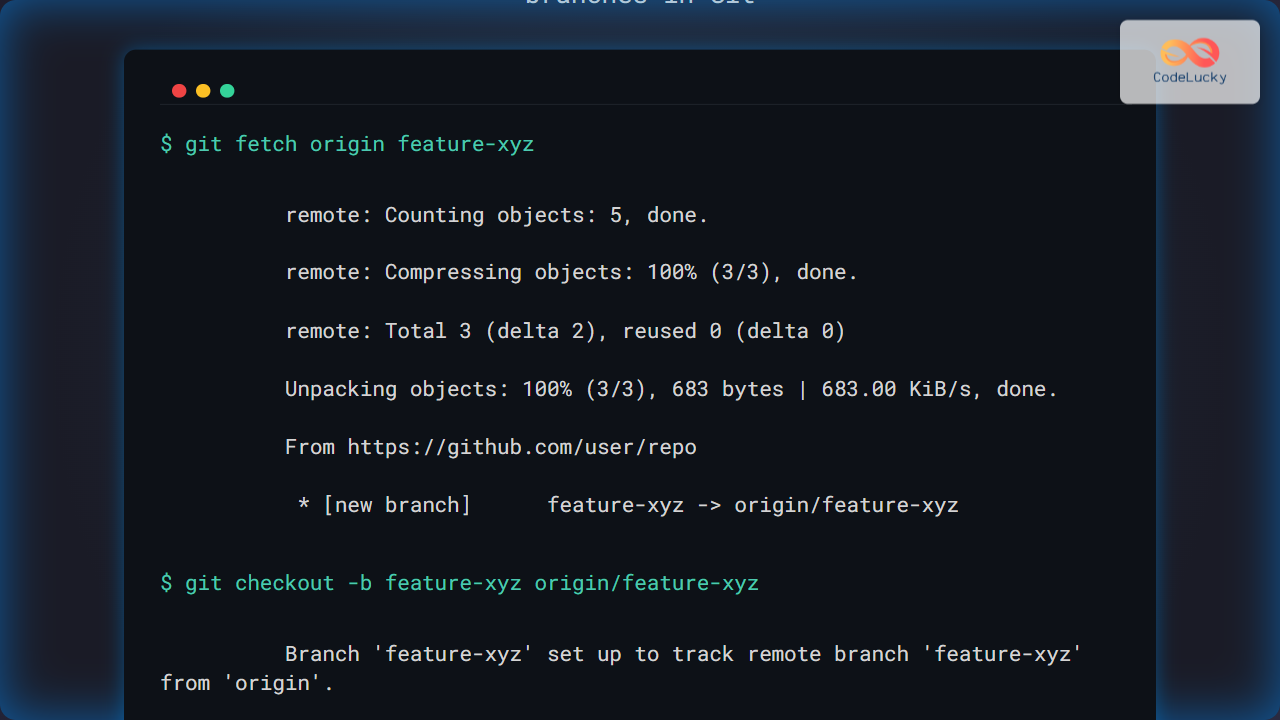
Hands-on technical workshops allow team members to practice using tools like JIRA, Git, Jenkins, and automated testing frameworks. Practical experience with these tools reduces friction during actual project implementation and improves overall team velocity.
Designing Effective Agile Training Programs
Assessment and Customization
Successful agile training begins with comprehensive team assessment to identify current capabilities, knowledge gaps, and specific organizational needs. This assessment should evaluate both individual competencies and team dynamics to create personalized learning paths that address unique challenges.
Customized training programs deliver significantly better results than generic approaches. Organizations should adapt content, examples, and exercises to reflect their industry, project types, and existing processes, making the training immediately relevant and actionable for participants.
Progressive Learning Approach
Effective agile training follows a progressive structure that builds knowledge incrementally. Foundation modules establish basic concepts before advancing to complex topics like scaled agile frameworks or advanced facilitation techniques. This approach ensures solid understanding at each level before proceeding to more challenging material.
Microlearning sessions spread over several weeks or months prove more effective than intensive boot camps. Regular, focused training sessions allow teams to practice new concepts between sessions and apply learning immediately to current projects.
Hands-On Practice Integration
Theoretical knowledge without practical application rarely leads to lasting behavioral change. Training programs must incorporate extensive hands-on exercises that simulate real project challenges. Mock sprints, planning poker sessions, and retrospective facilitation practice provide safe environments for skill development.
Sandbox projects allow teams to experiment with new techniques without impacting critical deliverables. These practice environments encourage innovation and risk-taking while building confidence in agile practices.
Building Key Team Capabilities
Communication and Collaboration Skills
Agile success depends heavily on effective communication within and across teams. Training programs must develop skills in active listening, constructive feedback, conflict resolution, and transparent reporting. These soft skills often determine project success more than technical competencies.
Communication training should address both verbal and written channels, including stand-up facilitation, user story writing, and stakeholder presentations. Teams need practice adapting communication styles for different audiences and situations.
Problem-Solving and Decision-Making
Agile teams must make rapid decisions with incomplete information while maintaining quality standards. Training should develop systematic problem-solving approaches, risk assessment capabilities, and collaborative decision-making processes that leverage collective team intelligence.
Simulation exercises that present teams with realistic challenges help develop these capabilities in controlled environments. Teams learn to balance speed with thoroughness while maintaining focus on customer value delivery.
Adaptability and Continuous Learning
The agile principle of responding to change requires teams that can adapt quickly to new requirements, technologies, and market conditions. Training programs must foster growth mindsets and establish practices for continuous skill development and knowledge sharing.
Learning retrospectives, knowledge-sharing sessions, and cross-training initiatives help teams build adaptive capabilities. Regular skills assessment and development planning ensure teams remain current with evolving industry practices.
Implementation Strategies for Agile Training
Leadership Engagement and Support
Successful agile transformation requires strong leadership commitment throughout the training process. Leaders must actively participate in training sessions, model agile behaviors, and provide necessary resources for skill development. Without leadership engagement, training initiatives often fail to achieve lasting organizational change.
Leadership training should precede team-level initiatives to ensure managers understand their roles in supporting agile practices. Leaders need specific guidance on coaching, servant leadership, and creating psychological safety for team experimentation.
Coaching and Mentorship Programs
External agile coaches provide valuable expertise during initial training phases, but organizations must develop internal coaching capabilities for long-term success. Training programs should identify and develop internal coaches who can provide ongoing support and guidance as teams mature in their agile practices.
Mentor-mentee relationships accelerate learning and help maintain momentum after formal training concludes. Experienced team members can guide newcomers while reinforcing their own understanding through teaching others.
Measurement and Continuous Improvement
Effective training programs include robust measurement systems to track progress and identify improvement opportunities. Key metrics include team velocity, quality indicators, stakeholder satisfaction, and team engagement levels. Regular assessment helps organizations optimize their training investments and adapt programs based on results.
Feedback loops ensure training content remains relevant and effective. Regular surveys, focus groups, and performance reviews provide insights for program refinement and evolution.
Overcoming Common Training Challenges
Resistance to Change
Many team members resist agile adoption due to comfort with existing processes or fear of increased accountability. Training programs must address these concerns directly through transparent communication about benefits, clear role definitions, and gradual implementation approaches that minimize disruption.
Change management techniques integrated into training help teams navigate emotional aspects of transformation. Success stories, peer testimonials, and visible quick wins build confidence and momentum for continued adoption.
Time and Resource Constraints
Organizations often struggle to balance training needs with project delivery pressures. Successful programs integrate learning into daily work activities rather than treating training as separate overhead. This approach maximizes learning opportunities while maintaining productivity.
Just-in-time training delivers specific knowledge when teams need it most, rather than front-loading all training requirements. This approach improves retention and reduces time away from productive work.
Scaling Across Large Organizations
Large organizations face unique challenges in delivering consistent training across multiple teams and locations. Standardized curricula combined with local customization help maintain quality while addressing specific team needs. Train-the-trainer programs develop internal capacity for large-scale delivery.
Digital training platforms support scalable delivery while providing consistent content and progress tracking. Blended learning approaches combine online modules with in-person workshops to optimize resource utilization.
Advanced Training Topics and Specialization
Scaled Agile Frameworks
Organizations implementing agile at enterprise scale require specialized training in frameworks like SAFe, LeSS, or Nexus. These programs address coordination challenges, portfolio management, and architectural considerations that don’t exist in single-team implementations.
Advanced training covers topics including program increment planning, value stream mapping, and cross-team dependencies management. Participants learn to balance team autonomy with organizational alignment requirements.
Agile Leadership Development
Agile transformations require leaders who can coach, facilitate, and remove impediments rather than direct and control. Leadership development programs focus on servant leadership principles, coaching skills, and creating environments that enable team self-organization.
Executive training addresses strategic aspects of agile adoption including cultural transformation, performance measurement evolution, and organizational structure modifications that support agile practices.
Industry-Specific Applications
Different industries face unique challenges in agile implementation requiring specialized training approaches. Healthcare organizations must address regulatory compliance, while financial services focus on risk management and audit requirements. Training programs should incorporate industry-specific case studies and compliance considerations.
Sector-specific user groups and communities of practice provide ongoing learning opportunities beyond formal training programs. These networks help teams learn from peers facing similar challenges and share successful adaptation strategies.
Measuring Training Effectiveness and ROI
Quantitative Metrics
Organizations need clear metrics to evaluate training program success and justify continued investment. Key performance indicators include team velocity improvements, defect reduction rates, time-to-market acceleration, and customer satisfaction scores. These metrics provide objective evidence of training impact on business outcomes.
Before-and-after comparisons help isolate training effects from other organizational changes. Baseline measurements establish starting points for improvement tracking and help identify the most impactful training components.
Qualitative Assessments
Numbers tell only part of the story regarding training effectiveness. Qualitative assessments through surveys, interviews, and observation provide insights into cultural changes, team morale improvements, and behavioral modifications that numerical metrics might miss.
Regular pulse surveys track team confidence levels, collaboration quality, and satisfaction with agile practices. This feedback helps organizations adjust training approaches and identify teams needing additional support.
Long-Term Impact Evaluation
True training effectiveness becomes apparent over months and years rather than weeks. Long-term evaluation tracks sustainability of practices, continued skill development, and organizational culture evolution. Organizations should plan for extended measurement periods to capture full training benefits.
Alumni networks and follow-up sessions help maintain training momentum while providing opportunities for continued assessment and improvement. These touchpoints ensure teams don’t revert to previous practices after initial enthusiasm wanes.
Future Trends in Agile Training
Technology-Enhanced Learning
Virtual and augmented reality technologies are beginning to transform agile training delivery. These immersive experiences provide realistic simulation environments for practicing complex scenarios without real-world consequences. VR-based training can accelerate skill development while reducing costs associated with in-person instruction.
Artificial intelligence is personalizing learning experiences by adapting content delivery based on individual learning styles and progress rates. AI-powered platforms can identify knowledge gaps and recommend specific resources for improvement.
Microlearning and Just-in-Time Delivery
Modern learners prefer bite-sized content that can be consumed quickly and applied immediately. Microlearning approaches break complex topics into digestible modules that fit into busy schedules while improving retention rates through spaced repetition.
Mobile-first training platforms enable learning during commutes, breaks, or other spare moments. This accessibility increases participation rates and helps maintain continuous learning momentum.
Community-Driven Learning
Peer-to-peer learning networks are becoming increasingly important for agile skill development. Online communities, local meetups, and internal communities of practice provide ongoing learning opportunities that extend far beyond formal training programs.
Gamification elements in community platforms encourage participation and knowledge sharing while making learning more engaging. Leaderboards, badges, and challenges motivate continued engagement with learning content.
Building Sustainable Training Programs
Sustainable agile training programs require ongoing investment in content updates, instructor development, and delivery platform maintenance. Organizations must treat training as a continuous process rather than one-time events to maintain team capabilities as methodologies and technologies evolve.
Internal training capability development reduces dependence on external providers while building organizational knowledge. Training teams should include subject matter experts, instructional designers, and learning technology specialists to create comprehensive internal programs.
Regular program evaluation and iteration ensure training remains relevant and effective. Feedback from participants, business leaders, and industry trends should drive continuous improvement in training content and delivery methods.
Successful agile training transforms not just individual capabilities but entire organizational cultures. Teams that invest in comprehensive, well-designed training programs see improved project outcomes, higher employee satisfaction, and increased adaptability to market changes. The key lies in treating training as a strategic investment in organizational capability rather than a tactical response to immediate needs.
As agile methodologies continue evolving, training programs must adapt to incorporate new frameworks, tools, and best practices. Organizations that commit to continuous learning and improvement in their training approaches will build the adaptive capabilities necessary for long-term success in rapidly changing business environments.
Related Posts
Agile Coaching: Complete Guide to Developing High-Performance Teams and Individuals
What is Agile Coaching? Agile coaching is a specialized discipline that focuses on guiding teams and individuals through their agile...
Agile Philosophy: Understanding Core Principles and Values for Modern Software Development
Introduction to Agile Philosophy Agile philosophy represents a fundamental shift in how software development teams approach project management, collaboration, and...
The 12 Principles of Agile Development: A Complete Guide to Agile Software Development Success
Agile development has revolutionized the software industry by prioritizing flexibility, collaboration, and customer satisfaction over rigid processes. At the heart...
Education Agile: Transforming Learning Through Adaptive Methodologies and Student-Centered Development
The traditional educational model, with its rigid curricula and one-size-fits-all approach, is rapidly giving way to more dynamic, responsive methodologies....
Introduction to Scrum Framework: Complete Guide for Agile Project Management
The Scrum framework has revolutionized how teams approach project management and software development. As one of the most popular agile...
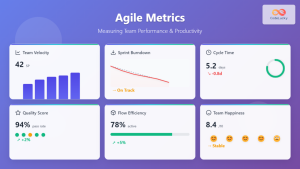
Agile Metrics: Complete Guide to Measuring Team Performance and Productivity
Measuring team performance in agile environments requires a strategic approach that goes beyond traditional project management metrics. Agile metrics provide...
Agile Coach Certification: Complete Guide to Building Professional Coaching Skills
Agile coaching has emerged as one of the most sought-after roles in modern software development and project management. As organizations...
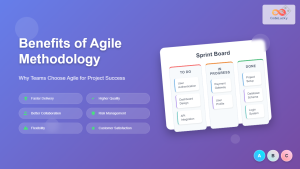
Benefits of Agile Methodology: Why Teams Choose Agile for Project Success
Agile methodology has revolutionized how teams approach project management and software development. Since its introduction through the Agile Manifesto in...
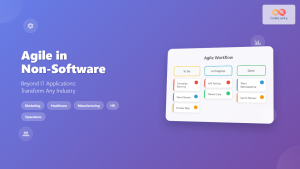
Agile in Non-Software: Complete Guide to Implementation Beyond IT Applications
Introduction to Agile Beyond Software Development While Agile methodologies originated in software development, their core principles of flexibility, collaboration, and...
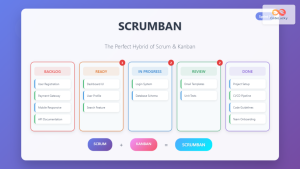
Scrumban: The Ultimate Hybrid Methodology for Agile Teams
What is Scrumban? Scrumban is a hybrid agile methodology that combines the structured framework of Scrum with the visual workflow...
Facilitation Skills: Essential Guide to Guiding Effective Agile Team Interactions
Effective facilitation is the cornerstone of successful Agile teams. Whether you're a Scrum Master, Product Owner, or team lead, mastering...
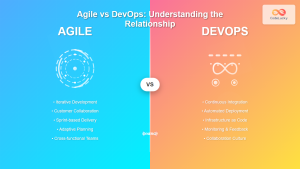
Agile vs DevOps: Understanding the Relationship Between Two Powerful Software Development Methodologies
In today's fast-paced software development landscape, organizations are constantly seeking methodologies that can accelerate delivery while maintaining quality. Two prominent...