Risk management in traditional project management follows a rigid, plan-driven approach that often fails in today’s dynamic software development environment. Agile risk management transforms this paradigm by introducing adaptive risk response strategies that evolve with your project’s changing landscape.
Understanding Agile Risk Management Fundamentals
Agile risk management differs fundamentally from traditional approaches by embracing uncertainty rather than attempting to eliminate it entirely. This methodology recognizes that risks in software development are not static entities but dynamic challenges that require continuous attention and adaptive responses.
The core principle revolves around early detection and rapid response. Instead of creating comprehensive risk registers at project inception, Agile teams identify and address risks iteratively throughout the development cycle. This approach ensures that risk management remains relevant and actionable as project conditions evolve.
Key Characteristics of Agile Risk Management
Agile risk management operates on several fundamental characteristics that distinguish it from traditional methodologies:
Continuous Risk Assessment: Rather than conducting risk assessments at predetermined intervals, Agile teams integrate risk evaluation into daily standups, sprint planning, and retrospectives. This continuous approach ensures that emerging risks are identified quickly before they can significantly impact project outcomes.
Collaborative Risk Identification: The entire team participates in risk identification processes. Developers, testers, product owners, and stakeholders contribute their unique perspectives, creating a comprehensive understanding of potential challenges from technical, business, and user experience angles.
Iterative Risk Response: Response strategies are implemented incrementally, allowing teams to test their effectiveness and adjust approaches based on real-world feedback. This iterative process prevents over-engineering of risk responses and ensures resources are allocated efficiently.
Adaptive Risk Response Framework
The adaptive risk response framework provides structure while maintaining the flexibility essential for Agile environments. This framework consists of four interconnected phases that operate continuously throughout the project lifecycle.
Phase 1: Dynamic Risk Identification
Dynamic risk identification goes beyond traditional brainstorming sessions to incorporate multiple touchpoints throughout the development process. Teams utilize various techniques to surface risks as they emerge:
Story-Level Risk Analysis: During backlog refinement and sprint planning, teams examine each user story for potential risks. This granular approach helps identify technical debt, integration challenges, and dependency issues before they impact sprint goals.
Daily Risk Check-ins: Daily standups include brief risk discussions where team members share concerns or observations about emerging challenges. This practice transforms standups from simple progress reports into proactive risk identification sessions.
Retrospective Risk Mining: Sprint retrospectives include dedicated time for identifying risks that weren’t apparent during the sprint but became evident through experience. This retrospective analysis helps teams recognize patterns and anticipate similar risks in future iterations.
Phase 2: Rapid Risk Assessment
Rapid risk assessment in Agile environments focuses on speed and practicality rather than exhaustive analysis. Teams use lightweight techniques that provide sufficient information for decision-making without creating analysis paralysis.
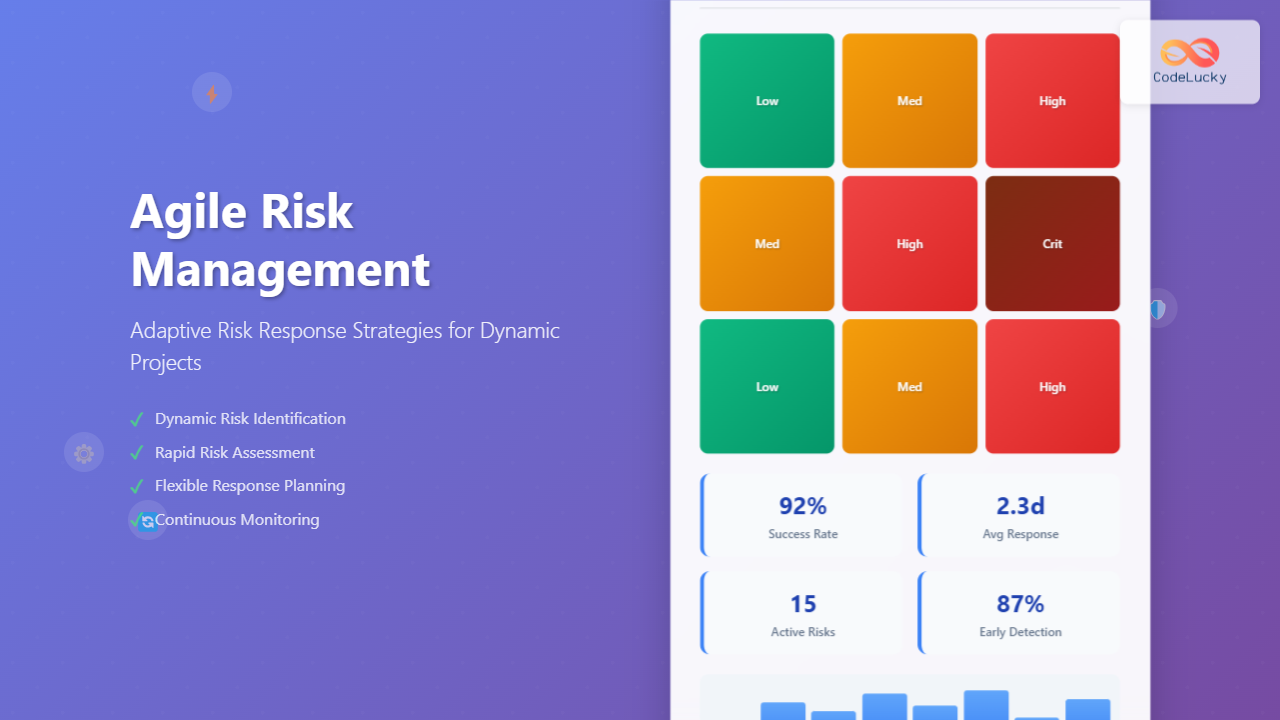
Impact-Probability Matrix: Teams quickly categorize risks using a simple 3×3 matrix that evaluates potential impact against likelihood of occurrence. This visual tool helps prioritize attention and resources toward the most significant threats.
Time-Boxed Analysis: Risk assessment activities are strictly time-boxed to prevent over-analysis. Teams allocate specific durations for risk evaluation, forcing focus on the most critical aspects and preventing perfectionism from delaying action.
Stakeholder Impact Assessment: Risks are evaluated not just for technical impact but for their potential effects on different stakeholder groups. This comprehensive perspective ensures that risk responses consider all affected parties.
Phase 3: Flexible Response Planning
Response planning in Agile risk management emphasizes adaptability and multiple contingency options rather than detailed, rigid plans. Teams develop response strategies that can evolve as more information becomes available.
Multiple Response Options: For significant risks, teams develop several potential response strategies ranging from risk avoidance to acceptance. This portfolio approach provides flexibility when conditions change or initial responses prove ineffective.
Minimum Viable Responses: Following Agile principles, teams implement the simplest effective response first, then iterate and improve based on results. This approach prevents over-engineering of risk responses and allows for rapid deployment of mitigation measures.
Response Integration: Risk responses are integrated into existing Agile ceremonies and workflows rather than creating separate risk management processes. This integration ensures that risk management doesn’t become an overhead activity that competes with development work.
Phase 4: Continuous Monitoring and Adaptation
Continuous monitoring ensures that risk responses remain effective and that new risks are identified as project conditions evolve. This phase emphasizes learning and adaptation over rigid adherence to initial plans.
Risk Trend Analysis: Teams track risk indicators over time to identify trends and patterns. This analysis helps predict future challenges and informs strategic decision-making about project direction and resource allocation.
Response Effectiveness Evaluation: The effectiveness of implemented risk responses is regularly evaluated and documented. Successful strategies are reinforced and shared across teams, while ineffective approaches are modified or abandoned.
Adaptive Response Modification: Based on monitoring results and changing project conditions, risk responses are modified or replaced as needed. This adaptive approach ensures that risk management strategies remain relevant and effective throughout the project lifecycle.
Implementation Strategies for Agile Teams
Successful implementation of adaptive risk response requires careful integration with existing Agile practices and team dynamics. The following strategies help teams transition from traditional risk management approaches to adaptive methodologies.
Integration with Scrum Framework
Scrum provides natural integration points for adaptive risk management without requiring additional ceremonies or overhead:
Sprint Planning Risk Review: During sprint planning, teams conduct brief risk assessments for planned work items. This practice helps identify potential blockers early and allows for proactive planning of mitigation strategies.
Daily Scrum Risk Updates: Team members share risk observations during daily scrums, creating awareness and enabling collaborative problem-solving. This integration transforms daily meetings into proactive risk management sessions.
Sprint Review Risk Reflection: Sprint reviews include discussion of risks that materialized during the sprint and how they were addressed. This reflection helps stakeholders understand project challenges and contributes to organizational learning.
Retrospective Risk Analysis: Sprint retrospectives examine risk management effectiveness and identify improvements for future iterations. This continuous improvement approach ensures that risk management practices evolve with team maturity.
Kanban Integration Techniques
Kanban teams can integrate adaptive risk management through visual management techniques and workflow optimization:
Risk Swim Lanes: Kanban boards can include dedicated swim lanes for risk-related work items, providing visibility into ongoing risk response activities and their progress through the workflow.
Risk Indicators: Work items can be tagged or colored to indicate associated risk levels, helping team members prioritize attention and make informed decisions about work sequencing.
Blocked Items Analysis: Regular analysis of blocked items often reveals systemic risks that require strategic attention. This analysis transforms operational challenges into strategic risk management opportunities.
Tools and Techniques for Adaptive Risk Response
Effective adaptive risk management relies on appropriate tools and techniques that support rapid identification, assessment, and response to emerging challenges.
Digital Risk Management Tools
Modern teams leverage digital tools that integrate with existing development workflows and provide real-time visibility into risk status:
Integrated Risk Tracking: Risk tracking capabilities built into project management tools like Jira, Azure DevOps, or Trello allow teams to manage risks alongside development work items. This integration ensures that risk management doesn’t become a separate, disconnected activity.
Automated Risk Indicators: Automated monitoring tools can track technical indicators like code complexity, test coverage, and deployment frequency to identify emerging risks before they become critical issues.
Dashboard Visualization: Risk dashboards provide stakeholders with real-time visibility into project risk status and trends. These visual tools support informed decision-making and help maintain organizational awareness of project challenges.
Collaborative Risk Assessment Techniques
Collaborative techniques leverage team knowledge and experience to identify and assess risks more effectively than individual analysis:
Risk Poker: Similar to planning poker, risk poker involves team members independently estimating risk probability and impact, then discussing differences to reach consensus. This technique combines individual judgment with collaborative discussion.
Risk Storms: Time-boxed brainstorming sessions focused specifically on risk identification. These sessions generate comprehensive risk lists while maintaining energy and engagement through time constraints.
Assumption Mapping: Teams identify and document assumptions underlying project plans, then assess the risks associated with each assumption. This technique helps surface hidden risks that might otherwise go unnoticed.
Measuring Success in Adaptive Risk Management
Measuring the effectiveness of adaptive risk management requires metrics that capture both proactive risk prevention and reactive response effectiveness.
Proactive Risk Prevention Metrics
Risk Identification Rate: The number of risks identified per sprint or iteration indicates team vigilance and the effectiveness of risk identification processes. Trends in this metric help teams understand whether their risk awareness is improving over time.
Early Risk Detection: The percentage of risks identified before they impact project outcomes measures the effectiveness of proactive risk management practices. Higher percentages indicate more mature risk management capabilities.
Risk Response Time: The time between risk identification and implementation of response measures indicates team agility and responsiveness. Shorter response times generally correlate with better project outcomes.
Reactive Response Effectiveness Metrics
Risk Mitigation Success Rate: The percentage of identified risks that are successfully mitigated before causing significant project impact measures the effectiveness of response strategies.
Risk Escalation Rate: The percentage of risks that escalate beyond initial response measures indicates the adequacy of initial risk assessments and response planning.
Project Outcome Impact: The correlation between risk management activities and project success metrics like on-time delivery, quality indicators, and stakeholder satisfaction provides ultimate validation of risk management effectiveness.
Common Challenges and Solutions
Implementing adaptive risk management in Agile environments presents unique challenges that teams must navigate to achieve success.
Overcoming Resistance to Change
Teams accustomed to traditional risk management approaches may resist adaptive methodologies due to perceived uncertainty or lack of detailed documentation:
Gradual Implementation: Introduce adaptive risk management techniques gradually, starting with low-risk projects or specific team practices. This approach allows teams to experience benefits without overwhelming existing processes.
Success Story Sharing: Document and share success stories from early adopters within the organization. Concrete examples of improved outcomes help overcome skepticism and build support for new approaches.
Training and Support: Provide adequate training and ongoing support to help team members develop confidence with adaptive techniques. This investment in capability building ensures sustainable adoption of new practices.
Balancing Speed and Thoroughness
Agile environments demand rapid decision-making, but effective risk management requires adequate analysis and consideration:
Time-Boxing Techniques: Use time-boxing to ensure that risk management activities remain focused and efficient without sacrificing thoroughness. Strict time limits force teams to focus on the most critical aspects of risk analysis.
Graduated Response Levels: Implement different levels of risk analysis based on potential impact and urgency. High-impact risks receive more thorough analysis, while lower-impact risks are addressed with simpler approaches.
Continuous Refinement: Accept that initial risk assessments may be imperfect and plan for continuous refinement based on new information and changing conditions. This approach balances speed with accuracy over time.
Future Trends in Agile Risk Management
Agile risk management continues to evolve as teams gain experience and new technologies become available to support adaptive approaches.
Artificial Intelligence Integration
AI and machine learning technologies are beginning to enhance risk identification and assessment capabilities:
Predictive Risk Analytics: Machine learning algorithms can analyze historical project data to identify patterns and predict potential risks based on current project characteristics and team dynamics.
Automated Risk Monitoring: AI-powered tools can continuously monitor project indicators and automatically flag potential risks as they emerge, enabling faster response times and more comprehensive risk coverage.
Intelligent Response Recommendations: AI systems can suggest optimal risk response strategies based on analysis of similar situations and outcomes from previous projects, improving response effectiveness and reducing reliance on individual experience.
Enhanced Stakeholder Integration
Future developments in Agile risk management will likely include better integration of stakeholder perspectives and concerns:
Stakeholder Risk Feedback Loops: Direct stakeholder input into risk identification and prioritization processes ensures that business and user perspectives are adequately represented in risk management decisions.
Transparent Risk Communication: Improved tools and techniques for communicating risk status and decisions to stakeholders help build trust and support for Agile approaches while maintaining appropriate levels of transparency.
Adaptive risk response strategies represent a fundamental shift from traditional risk management approaches, emphasizing flexibility, collaboration, and continuous learning over rigid planning and documentation. By integrating these principles into existing Agile practices, teams can improve their ability to navigate uncertainty while maintaining project momentum and stakeholder confidence.
Success with adaptive risk management requires commitment to continuous improvement, willingness to experiment with new approaches, and recognition that effective risk management is a team responsibility rather than an individual or specialized function. As Agile methodologies continue to mature, adaptive risk response will become an increasingly important capability for teams operating in dynamic, uncertain environments.
Related Posts

Agile Architecture: Designing for Change – Building Flexible Software Systems
In today's rapidly evolving digital landscape, traditional waterfall architecture approaches often fail to meet the dynamic needs of modern software...
Scope Creep in Agile: Managing Change Without Compromising Quality
Scope creep remains one of the most challenging aspects of project management, even in Agile environments designed for flexibility. While...
Pilot Projects: Testing Agile Adoption – Complete Implementation Guide
Transitioning to Agile methodologies represents a significant organizational shift that requires careful planning and execution. Pilot projects serve as crucial...
Agile Portfolio Management: Strategic Alignment for Maximum Business Value
Understanding Agile Portfolio Management Agile Portfolio Management represents a fundamental shift in how organizations approach strategic planning and project execution....
Agile Team Dynamics: Building High-Performance Teams That Deliver Results
Agile team dynamics form the backbone of successful software development projects, determining whether teams thrive or struggle in today's fast-paced...

Analysis Paralysis: Breaking Free from Over-Planning in Agile Development
Analysis paralysis is one of the most insidious enemies of Agile development teams. While thorough planning seems like a virtue,...
Scaled Agile Framework (SAFe): Complete Guide to Enterprise Agile Transformation
What is the Scaled Agile Framework (SAFe)? The Scaled Agile Framework (SAFe) is a comprehensive methodology designed to help large...
Predictability: Consistency in Delivery Through Agile Methodologies
Predictability in Agile development represents the cornerstone of successful project delivery, enabling teams to establish consistent patterns that stakeholders can...
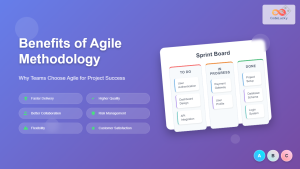
Benefits of Agile Methodology: Why Teams Choose Agile for Project Success
Agile methodology has revolutionized how teams approach project management and software development. Since its introduction through the Agile Manifesto in...
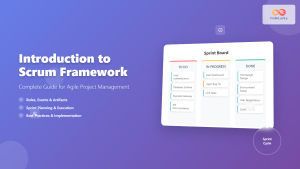
Introduction to Scrum Framework: Complete Guide for Agile Project Management
The Scrum framework has revolutionized how teams approach project management and software development. As one of the most popular agile...
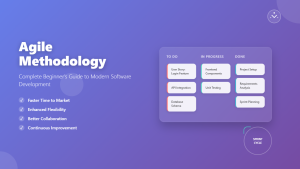
What is Agile Methodology: Complete Beginner’s Guide to Modern Software Development
Agile methodology has revolutionized how software development teams work, moving away from rigid traditional approaches to embrace flexibility, collaboration, and...
Agile Mindset: Developing the Right Mental Framework for Software Success
The agile mindset represents far more than following a set of practices or ceremonies—it's a fundamental shift in how we...