What is Agile HR?
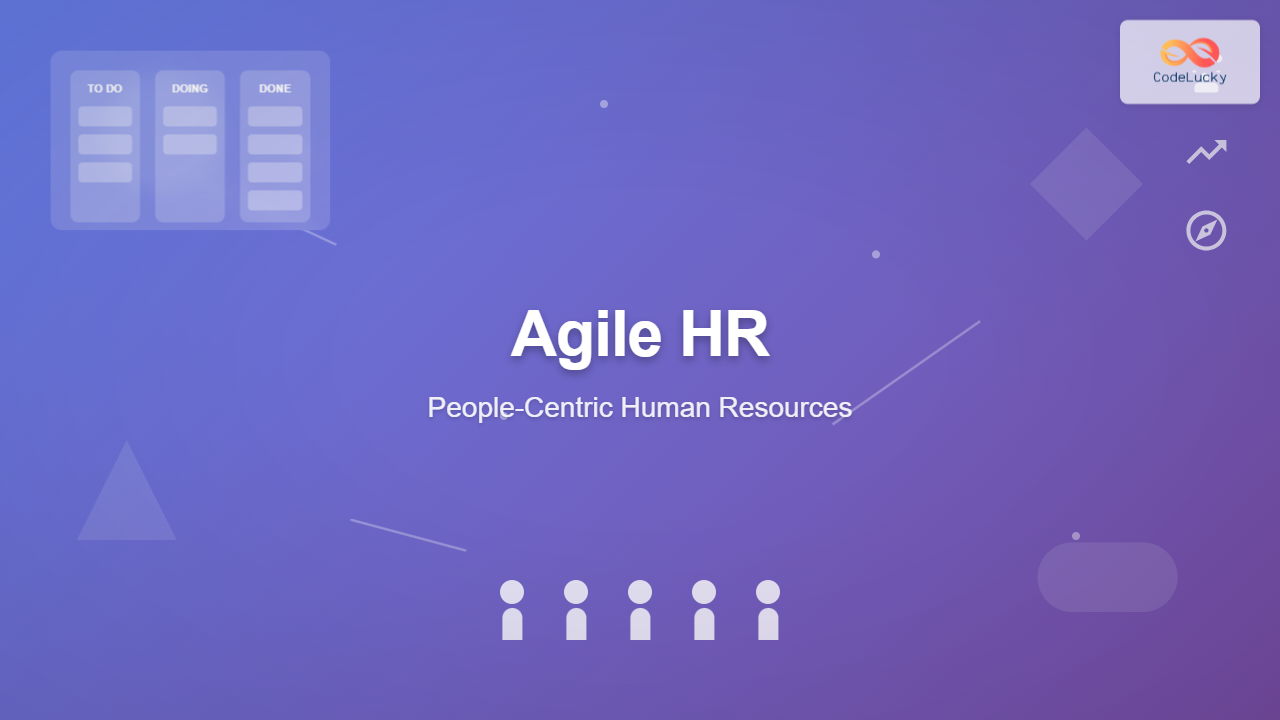
Agile HR represents a fundamental shift from traditional human resources practices to a more adaptive, collaborative, and people-centric approach. Drawing inspiration from Agile software development methodologies, Agile HR emphasizes continuous improvement, rapid response to change, and putting employees at the center of all HR processes.
Unlike conventional HR departments that operate through rigid hierarchies and annual cycles, Agile HR teams work in iterative sprints, gather frequent feedback, and adapt their strategies based on real-time employee needs and organizational changes. This approach transforms HR from a reactive support function into a proactive strategic partner that drives organizational success through engaged, empowered employees.
Core Principles of People-Centric Agile HR
Employee-First Mindset
The foundation of Agile HR lies in prioritizing employee experience and satisfaction above bureaucratic processes. This means designing HR policies, procedures, and systems that serve employees’ needs rather than forcing employees to navigate complex administrative hurdles. Every HR initiative should answer the question: “How does this improve our employees’ work experience?”
Continuous Feedback and Iteration
Traditional annual performance reviews give way to ongoing conversations and regular check-ins. Agile HR implements continuous feedback loops through weekly one-on-ones, quarterly reviews, and real-time pulse surveys. This constant communication enables immediate course corrections and ensures that both employee development and organizational goals remain aligned.
Transparency and Open Communication
Agile HR promotes radical transparency in decision-making processes, compensation structures, and career progression paths. Employees have access to information that affects their roles and careers, fostering trust and enabling them to make informed decisions about their professional development.
Cross-Functional Collaboration
HR professionals in Agile organizations don’t work in isolation. They collaborate closely with all departments, understanding business needs firsthand and designing solutions that support both employee wellbeing and organizational objectives. This collaborative approach ensures HR initiatives align with company strategy and deliver measurable business value.
Key Benefits of Implementing Agile HR
Enhanced Employee Engagement
By focusing on employee needs and providing continuous opportunities for feedback and growth, Agile HR significantly improves engagement levels. Employees feel heard, valued, and empowered to contribute meaningfully to organizational success. Research shows that organizations with highly engaged employees experience 23% higher profitability and 18% higher productivity.
Improved Talent Retention
Agile HR’s emphasis on continuous development, transparent communication, and flexible work arrangements creates an environment where top talent wants to stay. The personalized approach to career development and the focus on employee wellbeing reduce turnover rates and associated recruitment costs.
Faster Response to Market Changes
Traditional HR processes often take months to implement changes. Agile HR enables organizations to respond quickly to market shifts, regulatory changes, or evolving employee expectations. This agility provides a competitive advantage in rapidly changing business environments.
Data-Driven Decision Making
Agile HR leverages continuous feedback and real-time analytics to make informed decisions. Rather than relying on annual surveys or gut feelings, HR teams use ongoing data collection to identify trends, predict issues, and implement solutions proactively.
Essential Components of Agile HR Framework
Agile Performance Management
Traditional annual reviews are replaced with continuous performance conversations. Managers and employees engage in regular discussions about goals, challenges, and development opportunities. This approach includes:
- Weekly Check-ins: Brief conversations about current projects, obstacles, and support needed
- Quarterly Goal Reviews: Comprehensive assessments of progress and goal adjustments
- Real-time Recognition: Immediate acknowledgment of achievements and contributions
- 360-Degree Feedback: Input from peers, subordinates, and supervisors for comprehensive development insights
Flexible Learning and Development
Agile HR prioritizes continuous learning through personalized development paths. Instead of mandatory training programs, employees have access to diverse learning opportunities tailored to their career goals and learning preferences. This includes microlearning modules, peer-to-peer knowledge sharing, external conferences, and internal mentorship programs.
Adaptive Organizational Structure
Agile HR supports fluid organizational structures that can adapt to changing business needs. This might involve cross-functional teams, project-based assignments, or matrix reporting relationships. The focus is on creating structures that enable collaboration and innovation rather than maintaining rigid hierarchies.
Employee-Centric Policies
Policies and procedures are designed with employee experience as the primary consideration. This includes flexible work arrangements, simplified approval processes, and benefits packages that can be customized to individual needs. Regular policy reviews ensure that rules remain relevant and supportive of employee wellbeing.
Implementation Strategies for Agile HR Transformation
Start with Leadership Buy-in
Successful Agile HR implementation requires strong leadership support. Leaders must understand the benefits of people-centric approaches and be willing to model the behaviors they expect from others. This includes embracing transparency, soliciting feedback, and demonstrating flexibility in their own management styles.
Form Cross-Functional Agile Teams
Create small, diverse teams that include HR professionals, managers, and employee representatives. These teams work in sprints to identify problems, develop solutions, and implement improvements. Each team should have clear objectives and the authority to make decisions within their scope.
Implement Gradual Changes
Rather than attempting to transform all HR processes simultaneously, focus on one area at a time. Start with high-impact, low-risk initiatives such as improving feedback mechanisms or streamlining onboarding processes. Success in these areas builds momentum for larger transformations.
Invest in Technology and Tools
Agile HR relies heavily on technology to facilitate communication, gather feedback, and analyze data. Invest in HR information systems, employee engagement platforms, and analytics tools that support real-time decision making and continuous improvement.
Common Challenges and Solutions
Resistance to Change
Challenge: Employees and managers may resist new processes, preferring familiar traditional approaches.
Solution: Provide comprehensive training, communicate benefits clearly, and involve skeptics in the design process. Start with willing early adopters and use their success stories to convince others.
Maintaining Consistency
Challenge: Agile approaches can sometimes lead to inconsistent application across different teams or departments.
Solution: Establish clear principles and guidelines while allowing flexibility in implementation. Regular retrospectives help identify and address inconsistencies.
Measuring Success
Challenge: Traditional HR metrics may not capture the full impact of Agile HR initiatives.
Solution: Develop new metrics that focus on employee engagement, time-to-hire, retention rates, and employee satisfaction scores. Use both quantitative and qualitative measures to assess success.
Best Practices for Sustainable Agile HR
Regular Retrospectives
Conduct regular team retrospectives to identify what’s working well and what needs improvement. These sessions should be honest, constructive, and focused on continuous improvement rather than blame assignment.
Employee Voice Programs
Establish multiple channels for employee feedback, including anonymous suggestion boxes, regular pulse surveys, and open forums. Most importantly, act on the feedback received and communicate back to employees about changes made based on their input.
Continuous Learning Culture
Promote a culture where learning and experimentation are valued. Encourage HR team members to attend conferences, participate in professional development opportunities, and share new ideas with colleagues.
Data-Driven Insights
Use data analytics to identify trends, predict potential issues, and measure the impact of HR initiatives. Regular analysis of employee engagement scores, turnover rates, and productivity metrics provides valuable insights for continuous improvement.
Future of Agile HR
As organizations continue to evolve in response to technological advances and changing workforce expectations, Agile HR will become increasingly important. Future developments may include greater use of artificial intelligence for personalized employee experiences, expanded remote work capabilities, and more sophisticated predictive analytics for workforce planning.
The key to success lies in maintaining the core principle of putting people first while adapting methods and tools to meet emerging needs. Organizations that embrace Agile HR today will be better positioned to attract, develop, and retain top talent in an increasingly competitive marketplace.
Conclusion
Agile HR represents more than just a new set of processes—it’s a fundamental shift toward creating workplaces that truly serve their people. By embracing continuous feedback, transparency, and employee-centric design, organizations can build more engaged, productive, and resilient teams.
The journey to Agile HR requires commitment, patience, and willingness to experiment. However, organizations that successfully implement people-centric HR practices will find themselves with a significant competitive advantage: a workforce that is not just satisfied with their jobs, but genuinely excited about contributing to organizational success.
Start your Agile HR transformation today by identifying one area where you can improve the employee experience. Whether it’s streamlining a cumbersome process, implementing regular feedback sessions, or creating more flexible work arrangements, every step toward a more people-centric approach will benefit both your employees and your organization.
Related Posts
Agile Transformation: Complete Guide to Organizational Change Management
Agile transformation represents one of the most significant organizational changes companies undertake today. This comprehensive shift from traditional project management...
Agile in Non-Software: Complete Guide to Implementation Beyond IT Applications
Introduction to Agile Beyond Software Development While Agile methodologies originated in software development, their core principles of flexibility, collaboration, and...
Agile Operations: Complete Guide to Streamlining Business Processes with Modern Methodologies
Agile Operations represents a transformative approach to managing business processes that combines the flexibility of agile methodologies with operational excellence....
Agile Philosophy: Understanding Core Principles and Values for Modern Software Development
Introduction to Agile Philosophy Agile philosophy represents a fundamental shift in how software development teams approach project management, collaboration, and...
Agile vs DevOps: Understanding the Relationship Between Two Powerful Software Development Methodologies
In today's fast-paced software development landscape, organizations are constantly seeking methodologies that can accelerate delivery while maintaining quality. Two prominent...
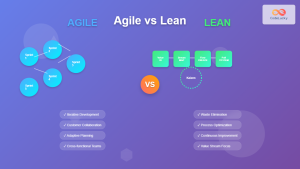
Agile vs Lean: Complete Guide to Similarities, Differences, and Implementation Strategies
In today's fast-paced business environment, organizations continuously seek methodologies that enhance efficiency, reduce waste, and deliver value to customers. Two...
Agile Training: Complete Guide to Building High-Performance Team Capabilities
Agile training has become the cornerstone of modern software development and project management success. Organizations worldwide are investing heavily in...
Agile Marketing: Complete Guide to Transform Your Marketing Strategy with Agile Methodology
What is Agile Marketing? Agile marketing is a strategic approach that applies the principles and practices of Agile software development...
Agile Governance: Mastering the Balance Between Control and Flexibility in Modern Organizations
Agile governance represents one of the most critical challenges facing modern organizations today. As businesses strive to remain competitive in...
What is Agile Methodology: Complete Beginner’s Guide to Modern Software Development
Agile methodology has revolutionized how software development teams work, moving away from rigid traditional approaches to embrace flexibility, collaboration, and...
Benefits of Agile Methodology: Why Teams Choose Agile for Project Success
Agile methodology has revolutionized how teams approach project management and software development. Since its introduction through the Agile Manifesto in...
Cultural Transformation: Building Agile Culture in Modern Organizations
Understanding Agile Culture: The Foundation of Organizational Success Cultural transformation in agile organizations goes far beyond adopting new methodologies or...