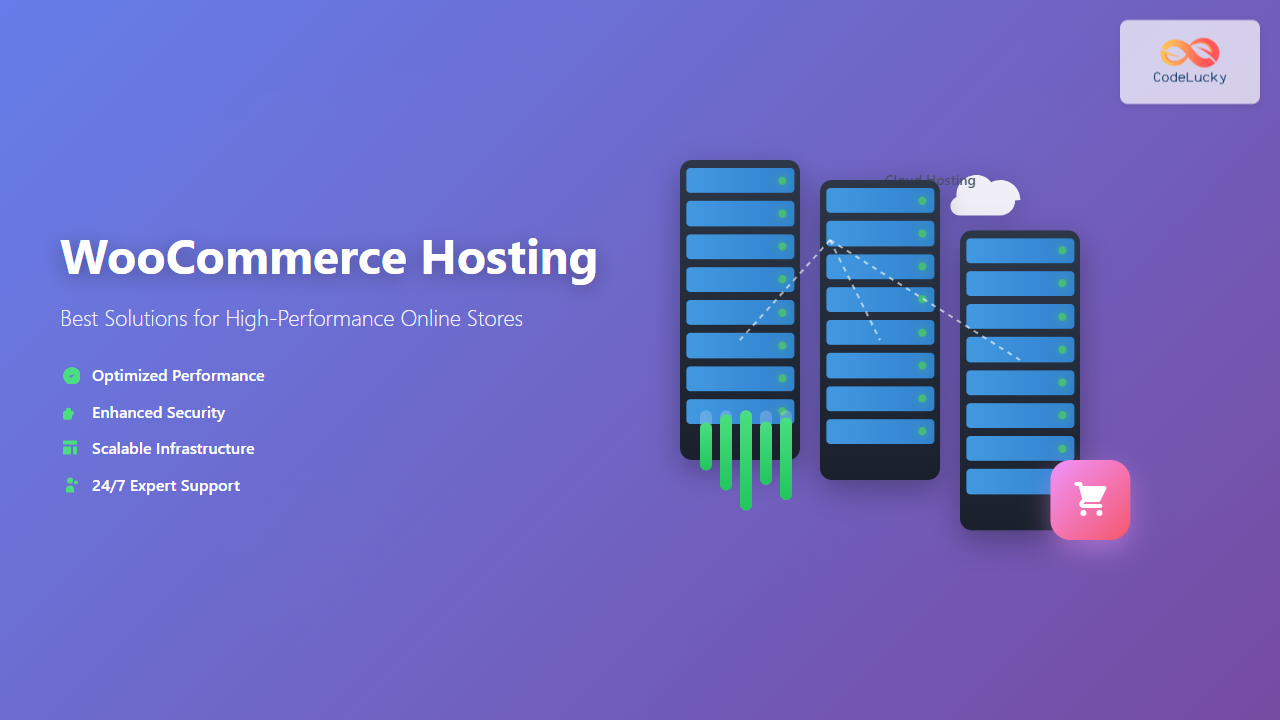
Choosing the right hosting solution for your WooCommerce store is crucial for success in today’s competitive e-commerce landscape. With over 28% of all online stores powered by WooCommerce, selecting optimal hosting can mean the difference between a thriving business and frustrated customers abandoning their carts due to slow loading times.
This comprehensive guide explores the best WooCommerce hosting options, performance optimization strategies, and key factors that directly impact your online store’s success.
Understanding WooCommerce Hosting Requirements
WooCommerce stores have unique hosting demands that differ significantly from standard WordPress websites. These requirements become critical as your store grows and processes more transactions.

Core Technical Requirements
- PHP 7.4+: Modern PHP versions provide significant performance improvements
- MySQL 5.6+: Robust database support for product catalogs and order management
- Minimum 1GB RAM: Essential for handling concurrent users and transactions
- SSD Storage: Faster database queries and improved page load times
- SSL Certificate: Mandatory for payment processing and customer trust
Types of WooCommerce Hosting Solutions
Shared Hosting
Shared hosting represents the most budget-friendly option for new WooCommerce stores, but comes with significant limitations as your business scales.
Pros:
- Low monthly costs ($3-$10/month)
- Easy setup with one-click installations
- Suitable for stores with minimal traffic
Cons:
- Limited resources shared among multiple websites
- Poor performance during traffic spikes
- Security vulnerabilities from neighboring sites
- Restricted customization options
Best For: New stores with fewer than 1,000 monthly visitors and limited product catalogs.
Managed WordPress/WooCommerce Hosting
Managed hosting providers specialize in WordPress optimization, offering tailored solutions for WooCommerce stores with enhanced performance and security features.

Top Managed Hosting Features:
- Automatic WordPress and WooCommerce updates
- Built-in caching and CDN integration
- Daily automated backups
- 24/7 expert support
- Enhanced security measures
- Staging environments for testing
Pricing Range: $20-$100+ per month depending on traffic and features.
VPS (Virtual Private Server) Hosting
VPS hosting provides dedicated resources within a virtualized environment, offering more control and scalability than shared hosting.
Key Advantages:
- Dedicated CPU, RAM, and storage resources
- Root access for custom configurations
- Scalable resource allocation
- Better performance consistency
Technical Requirements:
- Server management knowledge or managed services
- Regular security updates and maintenance
- Custom optimization for WooCommerce
Cloud Hosting Platforms
Cloud hosting offers ultimate scalability and performance through distributed server networks, ideal for high-traffic stores with global audiences.

Best WooCommerce Hosting Providers
Premium Managed Solutions
WP Engine
Specializes in managed WordPress hosting with robust WooCommerce optimization features.
- Performance: Built-in caching, CDN, and performance monitoring
- Security: Advanced threat detection and automatic updates
- Scalability: Easy resource scaling based on traffic demands
- Pricing: Starting at $25/month for small stores
Kinsta
Google Cloud-powered managed hosting with exceptional performance metrics.
- Infrastructure: Google Cloud Platform with global data centers
- Performance: HTTP/3, PHP 8.1, and advanced caching
- Support: 24/7 expert WordPress developers
- Pricing: Starting at $35/month
Cloud Platform Solutions
Amazon Web Services (AWS)
Enterprise-level cloud infrastructure with comprehensive WooCommerce deployment options.
- Services: EC2, RDS, CloudFront, and Elastic Load Balancing
- Scalability: Automatic scaling based on demand
- Global Reach: Worldwide data center network
- Complexity: Requires technical expertise or managed services
Google Cloud Platform (GCP)
High-performance cloud infrastructure with integrated analytics and machine learning capabilities.
- Compute Engine: Customizable virtual machines
- Cloud SQL: Managed MySQL databases
- Global CDN: Fast content delivery worldwide
- Integration: Google Analytics and advertising platforms
Performance Optimization Strategies
Caching Implementation
Proper caching configuration can reduce page load times by up to 80%, directly impacting conversion rates and customer satisfaction.

Caching Layers:
- Browser Caching: Store static resources locally
- Page Caching: Cache complete HTML pages
- Object Caching: Cache database query results
- CDN Caching: Distribute content globally
Database Optimization
WooCommerce stores generate extensive database activity through product catalogs, orders, and customer interactions. Regular optimization maintains peak performance.
Optimization Techniques:
- Regular database cleanup and optimization
- Index optimization for frequently queried tables
- Database query monitoring and optimization
- Automated backup and recovery systems
Image Optimization
Product images typically account for 60-70% of total page weight in WooCommerce stores. Effective image optimization significantly improves load times.
Best Practices:
- Use WebP format for modern browsers
- Implement lazy loading for product galleries
- Optimize image dimensions for display size
- Use responsive image techniques
Security Considerations
WooCommerce stores handle sensitive customer data and financial transactions, making security a critical hosting consideration.

Essential Security Features
- SSL Certificates: Encrypt all data transmission
- PCI Compliance: Meet payment card industry standards
- Firewall Protection: Block malicious traffic and attacks
- Regular Security Updates: Keep all software current
- Backup Systems: Automated daily backups with easy restoration
- Malware Scanning: Continuous monitoring for threats
Scalability Planning
Successful WooCommerce stores must plan for growth from the beginning. Your hosting solution should accommodate traffic spikes, seasonal sales, and expanding product catalogs.
Growth Indicators
- Traffic Volume: Monitor concurrent users and peak traffic periods
- Transaction Volume: Track orders per hour during sales events
- Database Size: Monitor growth of products, customers, and orders
- Storage Requirements: Account for product images and backups
Scaling Strategies
- Vertical Scaling: Increase server resources (CPU, RAM, storage)
- Horizontal Scaling: Add additional servers and load balancing
- Database Scaling: Implement read replicas and optimization
- CDN Implementation: Distribute static content globally
Cost Analysis and ROI
While hosting costs represent a significant ongoing expense, the right solution pays for itself through improved performance, higher conversion rates, and reduced downtime.
Cost-Benefit Comparison
| Hosting Type | Monthly Cost | Setup Complexity | Performance | Best For |
|---|---|---|---|---|
| Shared | $3-$10 | Low | Basic | New stores, minimal traffic |
| Managed | $20-$100 | Low | High | Growing stores, professional sites |
| VPS | $15-$80 | Medium | High | Technical users, custom needs |
| Cloud | $50-$500+ | High | Excellent | Enterprise stores, high traffic |
Performance Impact on Revenue
Research shows that every 1-second delay in page load time can result in:
- 7% reduction in conversions
- 11% fewer page views
- 16% decrease in customer satisfaction
Migration Strategies
Moving an existing WooCommerce store to a new hosting provider requires careful planning to avoid downtime and data loss.
Pre-Migration Checklist
- Complete Backup: Full site, database, and file backup
- DNS Documentation: Record current DNS settings
- Plugin Inventory: List all active plugins and versions
- SSL Certificate: Plan certificate transfer or renewal
- Payment Gateway Testing: Verify all payment systems work
Migration Process
- Set up staging environment on new host
- Transfer files and database using migration tools
- Update configuration for new environment
- Comprehensive testing of all functionality
- DNS cutover during low-traffic periods
- Monitor performance and fix any issues
Monitoring and Maintenance
Ongoing monitoring ensures your WooCommerce store maintains optimal performance and security standards.
Key Metrics to Monitor
- Page Load Times: Track loading speed for key pages
- Uptime Monitoring: Ensure 99.9%+ availability
- Database Performance: Monitor query times and optimization needs
- Security Logs: Review for suspicious activity
- Resource Usage: Track CPU, memory, and storage consumption
Maintenance Schedule
- Daily: Automated backups and security scans
- Weekly: Performance monitoring and optimization
- Monthly: Database cleanup and plugin updates
- Quarterly: Comprehensive security audit and testing
Future-Proofing Your WooCommerce Store
The e-commerce landscape continues evolving rapidly. Your hosting solution should adapt to emerging technologies and changing consumer expectations.
Emerging Technologies
- Edge Computing: Closer content delivery for improved performance
- AI Integration: Machine learning for personalization and optimization
- Progressive Web Apps: App-like experiences through browsers
- Voice Commerce: Integration with voice assistants and smart devices
Preparation Strategies
- Choose hosting providers with modern infrastructure
- Prioritize platforms with API-first architectures
- Implement headless commerce capabilities
- Plan for mobile-first optimization
Conclusion
Selecting the right WooCommerce hosting solution requires balancing performance, security, scalability, and cost considerations. While shared hosting may suffice for new stores, growing businesses benefit significantly from managed hosting or cloud platforms that provide specialized e-commerce optimization.
The key to success lies in understanding your current needs while planning for future growth. Whether you choose managed WordPress hosting for simplicity or enterprise cloud solutions for maximum scalability, ensure your hosting provider offers the performance, security, and support necessary to deliver exceptional customer experiences.
Remember that hosting represents an investment in your business success. The improved performance, security, and reliability of premium hosting solutions typically generate positive ROI through increased conversions, customer satisfaction, and reduced technical management overhead.