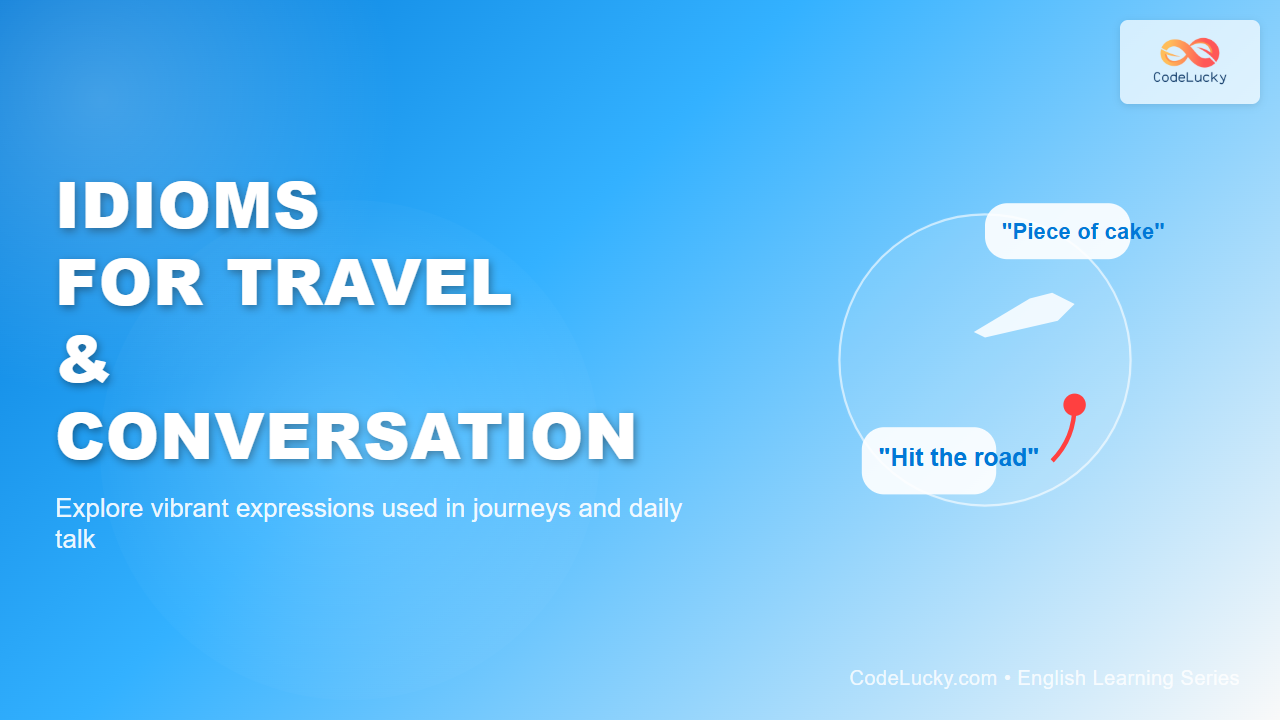
Idioms are colorful expressions that make your English sound natural, fluent, and culturally rich. Whether you’re exploring new places or chatting casually, using idioms can turn ordinary sentences into engaging conversation. This article covers the most common idioms for travel and daily conversations — with meanings, examples, visual flow diagrams, and interactive understanding tips.
What Are Idioms?
An idiom is a phrase whose meaning isn’t directly derived from the words it contains. For example, saying “hit the road” doesn’t mean physically hitting anything—it means to start a journey.

This diagram shows how an idiom evolves from literal to figurative meaning, helping you express ideas more creatively.
Why Learn Idioms for Travel and Daily Use?
- Natural Conversations: Idioms help you sound like native speakers.
- Cultural Understanding: Idioms often reflect traditions, humor, and local ways of thinking.
- Confidence: Using idioms shows comfort with language nuances.
Top Travel Idioms and Their Meanings
1. Hit the Road
Meaning: To start a journey or leave a place.
Example: “It’s getting late. Let’s hit the road before traffic builds up.”
2. Off the Beaten Track
Meaning: A place that is not crowded or commonly visited.
Example: “We loved exploring villages off the beaten track in northern India.”
3. Live Out of a Suitcase
Meaning: To travel constantly without staying long in one place.
Example: “After two weeks of business trips, I’m tired of living out of a suitcase.”
4. Travel Light
Meaning: To pack minimal items for a trip.
Example: “If you want to move quickly, it’s best to travel light.”
5. Take the Scenic Route
Meaning: To choose a longer but more enjoyable or beautiful way to reach a place.
Example: “Let’s take the scenic route and enjoy the countryside.”

Idioms for Daily Conversation
1. Break the Ice
Meaning: To start a conversation in an awkward or new situation.
Example: “He cracked a joke to break the ice at the meeting.”
2. Piece of Cake
Meaning: Something very easy to do.
Example: “For her, solving that math problem was a piece of cake.”
3. Under the Weather
Meaning: Feeling slightly sick or unwell.
Example: “I’m feeling under the weather today, so I’ll skip the party.”
4. Burn the Midnight Oil
Meaning: To work late into the night.
Example: “We had to burn the midnight oil to finish the project.”
5. Once in a Blue Moon
Meaning: Something that happens very rarely.
Example: “She comes to visit only once in a blue moon.”
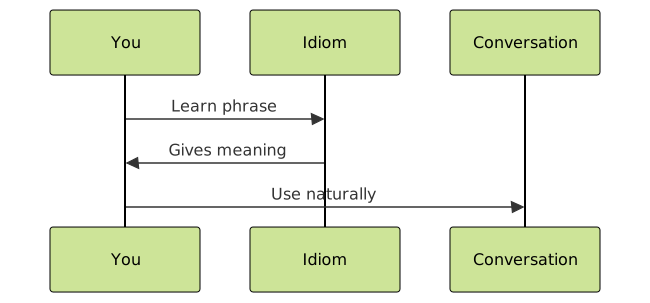
This sequence demonstrates how learning idioms leads to natural usage in conversations.
Interactive Understanding: Quick Practice
Try completing these sentences mentally before checking the answer (hover or tap to reveal on your device):
- Example 1: “After getting the visa, we decided to _______.”
- Example 2: “He’s been working nights; he always _______.”
- Example 3: “That exam was a _______ for her.”
Visual Summary: Connecting Idioms to Real-Life Context
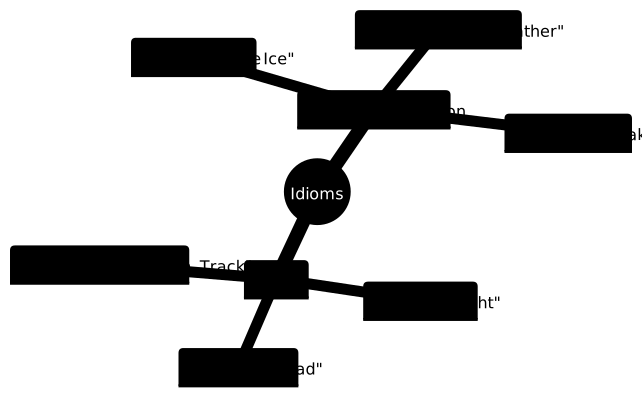
This mind map helps visualize how idioms cluster by context—travel vs. daily life.
Tips for Mastering Idioms
- Context Is King: Learn idioms in the setting where they’re used.
- Practice Speaking: Try using one new idiom in your daily talk each day.
- Watch English Content: Movies and series help you observe idioms in natural conversation.
- Create Flashcards: Note phrases with drawings or quick meanings.
Conclusion
Learning idioms for travel and daily conversation doesn’t just improve your vocabulary—it shows linguistic confidence and builds connection through culture and humor. Begin using these idioms today and notice how your English starts sounding smoother, smarter, and more engaging.