Technical debt represents one of the most significant challenges facing modern software development teams, particularly in Agile environments where speed and iteration often take precedence over long-term code quality. Understanding how technical debt accumulates through quality shortcuts is crucial for maintaining sustainable development practices and ensuring project success.
Understanding Technical Debt in Agile Context
Technical debt occurs when development teams choose quick, expedient solutions over well-designed, maintainable code. Much like financial debt, technical debt accumulates interest over time, making future development increasingly difficult and expensive. In Agile development, where rapid delivery is prioritized, teams often face pressure to take shortcuts that contribute to this debt.
The concept was first introduced by Ward Cunningham, who compared poorly written code to financial debt. Just as financial debt requires interest payments, technical debt demands ongoing maintenance effort and slows down future development work. The key difference is that while financial debt is clearly visible on balance sheets, technical debt often remains hidden until it severely impacts development velocity.
Types of Technical Debt
Technical debt manifests in various forms throughout the software development lifecycle:
Code Debt: This includes duplicated code, overly complex functions, poor naming conventions, and lack of proper documentation. Code debt directly impacts readability and maintainability, making it harder for developers to understand and modify existing functionality.
Architecture Debt: Poor architectural decisions, such as choosing inappropriate design patterns or failing to plan for scalability, create long-term structural problems. Architecture debt is often the most expensive to resolve as it may require significant refactoring or complete system redesigns.
Test Debt: Insufficient test coverage, outdated test cases, or poorly designed tests create uncertainty about code behavior. Test debt increases the risk of introducing bugs and makes developers less confident about making changes.
Documentation Debt: Missing or outdated documentation makes it difficult for team members to understand system behavior, onboard new developers, or maintain existing features effectively.
Common Quality Shortcuts Leading to Technical Debt
Agile teams frequently encounter situations where quality shortcuts become tempting solutions to immediate pressures. Understanding these scenarios helps teams make informed decisions about when shortcuts are acceptable and when they should be avoided.
Sprint Deadline Pressure
When sprint deadlines approach and features remain incomplete, teams often resort to quick fixes rather than proper solutions. This might involve hardcoding values instead of creating configurable parameters, implementing temporary workarounds, or skipping comprehensive testing. While these shortcuts help meet immediate deadlines, they create maintenance burdens for future sprints.
The pressure to demonstrate progress during sprint reviews can lead to implementing features with incomplete error handling, minimal validation, or insufficient edge case coverage. These shortcuts may make demos successful but leave the codebase fragile and prone to production issues.
Incomplete Requirements and Changing Priorities
Agile’s embrace of changing requirements can sometimes lead to hasty implementations when requirements are unclear or frequently modified. Developers may implement flexible but overly complex solutions to accommodate potential future changes, or conversely, create rigid implementations that require significant rework when requirements evolve.
When product owners frequently change priorities, developers might implement features knowing they’re temporary, leading to code that was never intended for long-term use but remains in the system indefinitely.
Resource Constraints and Team Composition
Limited resources often force teams to make compromises on code quality. Junior developers working without adequate mentorship may implement functional but suboptimal solutions. Time constraints may prevent proper code reviews, allowing quality issues to enter the codebase undetected.
Team composition changes, such as losing experienced developers or onboarding new team members mid-sprint, can disrupt established quality practices and lead to inconsistent code standards across the project.
The Accumulation Process: How Small Shortcuts Become Big Problems
Technical debt accumulation follows predictable patterns that teams must recognize to prevent small issues from becoming major obstacles. Understanding this process helps teams identify early warning signs and take corrective action before debt becomes unmanageable.
The Compound Effect
Individual shortcuts may seem harmless in isolation, but they compound over time to create significant problems. A quick hardcoded solution in one sprint becomes a dependency for features in subsequent sprints. What starts as a simple workaround evolves into a complex web of interdependencies that becomes increasingly difficult to untangle.
Each shortcut makes future shortcuts more likely, as developers work around existing problems rather than fixing them. This creates a downward spiral where code quality continuously degrades, and development velocity slows despite teams working harder.
Knowledge Decay and Documentation Gaps
As time passes, the original reasoning behind shortcuts becomes lost institutional knowledge. Developers who implemented quick fixes move to other projects or leave the organization, taking context about temporary solutions that became permanent fixtures. Without proper documentation, future developers must reverse-engineer the purpose and limitations of existing code, leading to further shortcuts and workarounds.
This knowledge decay makes it increasingly risky to modify existing code, as developers cannot fully understand the implications of their changes. The result is defensive programming practices that add layers of complexity rather than addressing root causes.
Measuring and Identifying Technical Debt
Effective technical debt management requires objective measurement and identification strategies. Teams need concrete metrics to assess debt levels and track improvement efforts over time.
Code Quality Metrics
Static code analysis tools provide quantitative measures of code quality, including cyclomatic complexity, code duplication percentages, and adherence to coding standards. These metrics help teams identify areas of high technical debt and track improvements over time.
Code coverage metrics reveal gaps in testing that contribute to test debt. While high coverage doesn’t guarantee quality tests, low coverage often indicates areas where technical debt is likely to accumulate due to insufficient validation.
Development Velocity Indicators
Story point velocity trends can indicate technical debt accumulation when teams consistently struggle to complete planned work despite stable team composition and requirements. Increasing bug counts and longer development cycles for similar features often signal growing technical debt.
Time-to-market metrics for similar features across different parts of the system can reveal areas where technical debt slows development. Features built on clean, well-architected foundations typically require less development time than those built on debt-laden code.
Team Feedback and Code Review Insights
Regular retrospectives should include explicit discussions about code quality and technical debt. Team members often have intuitive understanding of problematic code areas before metrics reveal issues. Code review comments and discussion patterns can highlight recurring quality concerns.
Developer satisfaction surveys can provide insights into how technical debt affects team morale and productivity. Developers working with high-debt codebases often report frustration, decreased motivation, and reluctance to make necessary changes.
Strategies for Managing Technical Debt in Agile Teams
Successful technical debt management requires proactive strategies integrated into Agile processes rather than reactive cleanup efforts. Teams need systematic approaches that balance delivery pressure with long-term code quality.
Debt Prioritization Framework
Not all technical debt requires immediate attention. Teams should develop frameworks for prioritizing debt based on impact, frequency of interaction, and remediation cost. High-impact debt in frequently modified code areas should receive priority over low-impact debt in stable components.
Consider debt’s effect on business objectives when prioritizing remediation efforts. Technical debt that directly impacts customer-facing features or critical business processes should be addressed before debt that only affects internal development efficiency.
Sprint Planning Integration
Incorporate technical debt stories into regular sprint planning rather than treating debt as separate from feature development. Allocate a percentage of each sprint’s capacity to debt reduction, ensuring continuous improvement alongside feature delivery.
When planning features that will interact with high-debt code areas, include time for addressing relevant debt as part of the feature implementation. This approach prevents debt from accumulating while delivering business value.
Definition of Done Enhancement
Strengthen the Definition of Done to include quality criteria that prevent common sources of technical debt. This might include code review requirements, test coverage thresholds, documentation standards, and performance benchmarks.
Ensure that the Definition of Done addresses both immediate functionality and long-term maintainability. Features should not be considered complete if they introduce significant technical debt without explicit acknowledgment and planning for remediation.
Prevention Techniques and Best Practices
Prevention remains more cost-effective than remediation when managing technical debt. Teams should implement practices that reduce the likelihood of debt accumulation while maintaining Agile development speed.
Continuous Code Quality Practices
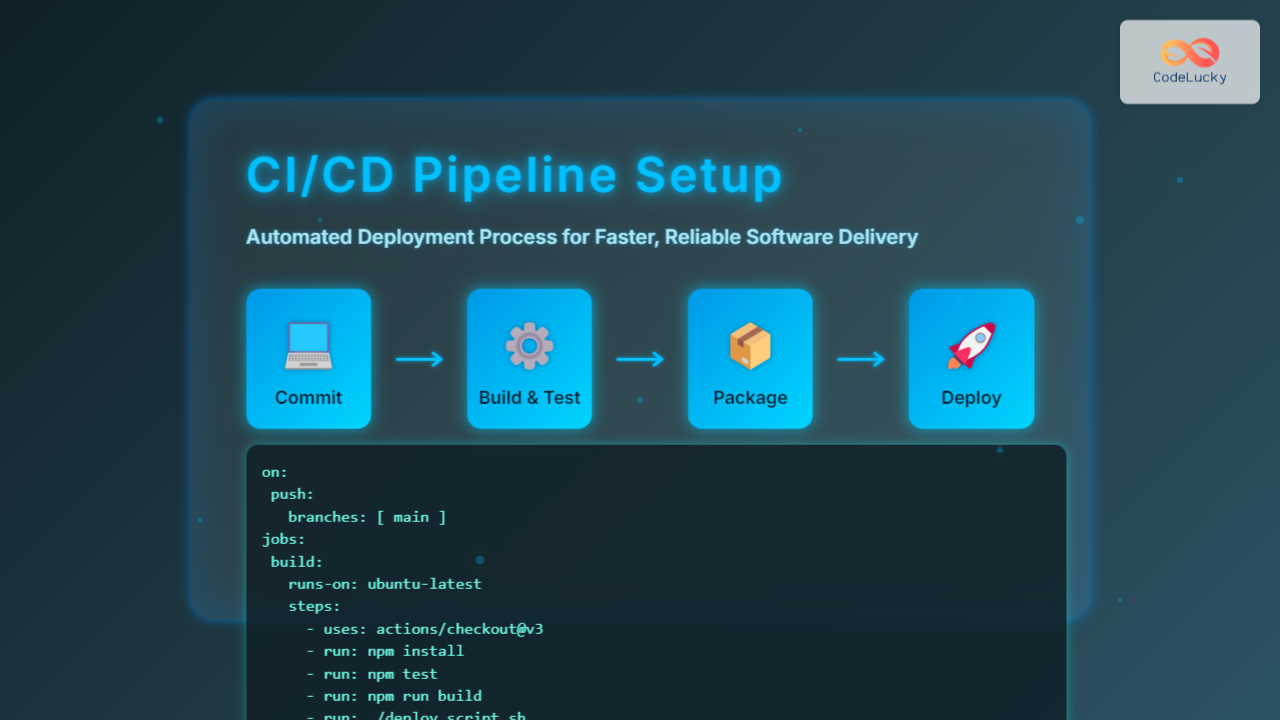
Implement automated code quality checks as part of the continuous integration pipeline. These checks should enforce coding standards, identify complexity issues, and flag potential security vulnerabilities before code reaches production.
Regular refactoring should be treated as a normal part of development rather than a special activity. Encourage developers to improve code structure and quality as they work on related features, following the Boy Scout Rule of leaving code better than they found it.
Architectural Decision Records
Maintain architectural decision records (ADRs) that document important design choices, including the reasoning behind decisions and any trade-offs made. These records help future developers understand the context of existing code and make informed decisions about modifications.
Include information about shortcuts and temporary solutions in ADRs, specifying conditions under which these decisions should be revisited. This documentation prevents temporary solutions from becoming permanent fixtures due to lost context.
Knowledge Sharing and Mentorship
Establish regular knowledge sharing sessions where team members discuss code quality challenges and solutions. These sessions help spread best practices and ensure that quality considerations remain visible throughout the development process.
Implement pair programming or code review practices that provide opportunities for mentorship and knowledge transfer. Senior developers can guide junior team members in making quality-conscious decisions that prevent debt accumulation.
Tools and Technologies for Debt Management
Modern development tools provide sophisticated capabilities for identifying, tracking, and managing technical debt. Teams should leverage these tools as part of their overall debt management strategy.
Static Analysis and Code Quality Tools
Tools like SonarQube, CodeClimate, and ESLint provide automated analysis of code quality issues and technical debt indicators. These tools can be integrated into development workflows to provide real-time feedback and prevent quality issues from entering the codebase.
Configure these tools to align with team coding standards and quality objectives. Customize rules and thresholds to reflect the team’s definition of acceptable quality while avoiding excessive noise that might cause developers to ignore important warnings.
Dependency Management and Security Scanning
Outdated dependencies and security vulnerabilities represent forms of technical debt that can have serious consequences. Tools like Dependabot, Snyk, and OWASP Dependency Check help identify and manage these issues proactively.
Establish processes for regularly updating dependencies and addressing security vulnerabilities. Include dependency updates in sprint planning to ensure they receive appropriate attention and testing.
Documentation and Knowledge Management
Use tools like Confluence, Notion, or GitBook to maintain up-to-date documentation about system architecture, design decisions, and known technical debt. Integrate documentation updates into development workflows to ensure information remains current.
Consider tools that generate documentation from code comments and annotations, reducing the overhead of maintaining separate documentation while ensuring accuracy and currency.
Building a Debt-Conscious Culture
Long-term success in managing technical debt requires cultural changes that make quality a shared responsibility across the entire team. This culture shift involves changing how teams think about and discuss technical debt.
Transparent Communication
Encourage open discussion about technical debt in team meetings, retrospectives, and planning sessions. Technical debt should not be a source of shame or blame but rather a normal aspect of software development that requires ongoing management.
Help stakeholders understand the business impact of technical debt by translating technical concerns into business terms. Explain how debt affects development velocity, system reliability, and long-term maintenance costs.
Shared Ownership and Accountability
Make code quality everyone’s responsibility rather than delegating it to specific individuals or roles. All team members should feel empowered to identify quality issues and propose improvements.
Establish team agreements about acceptable levels of technical debt and conditions under which shortcuts are acceptable. These agreements should be revisited regularly as team composition and project requirements evolve.
Case Studies and Real-World Applications
Learning from real-world examples helps teams understand how technical debt management principles apply in practice. These case studies illustrate both successful approaches and common pitfalls.
E-commerce Platform Transformation
A major e-commerce company faced significant technical debt in their checkout system, resulting in frequent bugs and difficulty implementing new payment methods. The team implemented a gradual refactoring approach, dedicating 20% of each sprint to debt reduction while continuing feature development.
By prioritizing debt in the most critical paths and implementing comprehensive testing, they reduced checkout-related bugs by 60% over six months while successfully launching three new payment integrations. The key success factors included stakeholder buy-in, clear metrics tracking, and consistent commitment to debt reduction efforts.
Startup Scaling Challenges
A fast-growing startup initially prioritized feature velocity over code quality to establish market presence. As the team expanded and customer demands increased, technical debt began severely impacting development speed and system reliability.
The team implemented architectural decision records, established coding standards, and created a debt tracking system. They dedicated entire sprints to addressing critical debt while implementing prevention practices for new development. This approach initially slowed feature delivery but resulted in sustained velocity improvements and reduced maintenance overhead.
Future Considerations and Emerging Trends
Technical debt management continues evolving with new development practices, tools, and organizational approaches. Teams should stay informed about emerging trends that might affect their debt management strategies.
AI-Assisted Code Quality
Artificial intelligence tools are increasingly capable of identifying code quality issues, suggesting improvements, and even implementing automated fixes. These tools can help teams identify technical debt patterns and propose remediation strategies.
However, teams should carefully evaluate AI suggestions and maintain human oversight of quality decisions. AI tools work best when combined with human expertise and contextual understanding of business requirements.
DevOps and Continuous Deployment
As deployment pipelines become more sophisticated, teams can implement quality gates that prevent high-debt code from reaching production. Automated testing, security scanning, and performance monitoring can identify issues before they impact users.
Continuous deployment practices require high code quality and comprehensive testing, naturally encouraging teams to address technical debt proactively rather than allowing it to accumulate.
Managing technical debt in Agile development requires ongoing commitment, clear strategies, and cultural changes that prioritize long-term sustainability alongside short-term delivery goals. Teams that successfully balance speed with quality create sustainable development practices that support both immediate business needs and future growth opportunities. By understanding how technical debt accumulates through quality shortcuts and implementing systematic management approaches, Agile teams can maintain high development velocity while building maintainable, reliable software systems.
Related Posts

Technical Debt: Complete Guide to Management and Prevention in Agile Development
Technical debt represents one of the most significant challenges facing modern software development teams. Like financial debt, it accumulates over...

Agile Finance: Beyond Budgeting Approaches for Modern Organizations
Traditional budgeting approaches often struggle to keep pace with today's rapidly changing business environment. Agile Finance emerges as a revolutionary...

Agile Philosophy: Understanding Core Principles and Values for Modern Software Development
Introduction to Agile Philosophy Agile philosophy represents a fundamental shift in how software development teams approach project management, collaboration, and...

Collective Code Ownership: Building Team Responsibility and Code Quality in Agile Development
In the fast-paced world of software development, the traditional approach of individual code ownership often creates bottlenecks, knowledge silos, and...

Systems Thinking: Complete Guide to Holistic Agile Development
Systems thinking revolutionizes how Agile teams approach software development by viewing projects as interconnected ecosystems rather than isolated components. This...

Agile Risk Management: Adaptive Risk Response Strategies for Dynamic Projects
Risk management in traditional project management follows a rigid, plan-driven approach that often fails in today's dynamic software development environment....

Future of Agile: Emerging Trends and Evolution in Modern Software Development
The Agile methodology has revolutionized software development since the publication of the Agile Manifesto in 2001. As we move deeper...

Benefits of Agile Methodology: Why Teams Choose Agile for Project Success
Agile methodology has revolutionized how teams approach project management and software development. Since its introduction through the Agile Manifesto in...

The Agile Manifesto: Four Core Values Explained for Modern Software Development
The Agile Manifesto, published in 2001 by seventeen software development thought leaders, fundamentally transformed how we approach software development. This...

Customer Collaboration: Beyond Contract Negotiation in Agile Development
In the rapidly evolving landscape of software development, the Agile Manifesto's emphasis on "Customer collaboration over contract negotiation" has fundamentally...

What is Agile Methodology: Complete Beginner’s Guide to Modern Software Development
Agile methodology has revolutionized how software development teams work, moving away from rigid traditional approaches to embrace flexibility, collaboration, and...

Hero Culture: Individual Over Team – Breaking the Agile Anti-Pattern
Understanding Hero Culture in Agile Development Hero culture represents one of the most pervasive anti-patterns in Agile software development, where...
- Understanding Technical Debt in Agile Context
- Common Quality Shortcuts Leading to Technical Debt
- The Accumulation Process: How Small Shortcuts Become Big Problems
- Measuring and Identifying Technical Debt
- Strategies for Managing Technical Debt in Agile Teams
- Prevention Techniques and Best Practices
- Tools and Technologies for Debt Management
- Building a Debt-Conscious Culture
- Case Studies and Real-World Applications
- Future Considerations and Emerging Trends