Learning English effectively requires more than just daily practice — it needs a structured progress-tracking plan that helps you measure growth, adjust methods, and stay motivated. This article presents a complete monthly study plan tracking system designed for learners who want consistent and visible improvement in their English skills across listening, speaking, reading, and writing.
Why You Need a Monthly Progress Tracking Plan
A monthly study plan brings structure, consistency, and accountability. Instead of random learning habits, you’ll operate in short, focused cycles with clear milestones.
- Measure progress visually with charts and reflections.
- Identify weak areas before they turn into habits.
- Stay motivated by celebrating small monthly wins.
- Adapt quickly to more advanced learning content.
How Monthly Tracking Works
Every month follows a simple pattern — plan, learn, assess, and review. By repeating this cycle, learners naturally develop better habits and measurable improvement.
Phase Breakdown
- Week 1: Set learning objectives and track your baseline.
- Week 2-3: Focused daily learning in 4 skill areas (Listening, Speaking, Reading, Writing).
- Week 4: Take a self-assessment and reflect on what improved.
Example: Month 1 Study Plan
This example helps visualize how your first month could look with achievable and measurable goals.
| Skill | Goal | Tracking Method | Weekly Target |
|---|---|---|---|
| Listening | Understand 70% of English podcasts | Track comprehension percentage | 2 new podcasts weekly |
| Speaking | Speak 2 minutes continuously | Record weekly audio | Practice speaking daily |
| Reading | Read short news articles | Mark unfamiliar words in a log | 3 articles per week |
| Writing | Write structured short paragraphs | Use grammar checker tools | Write every other day |
Visualizing Your Growth
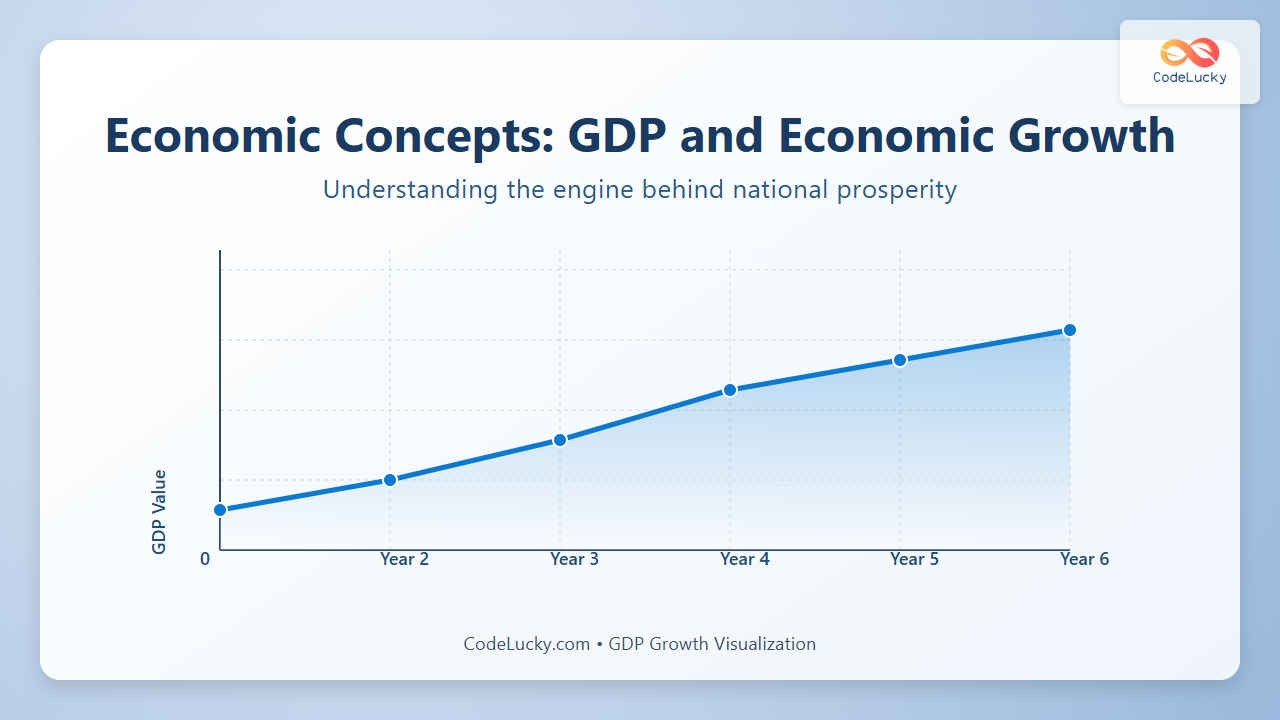
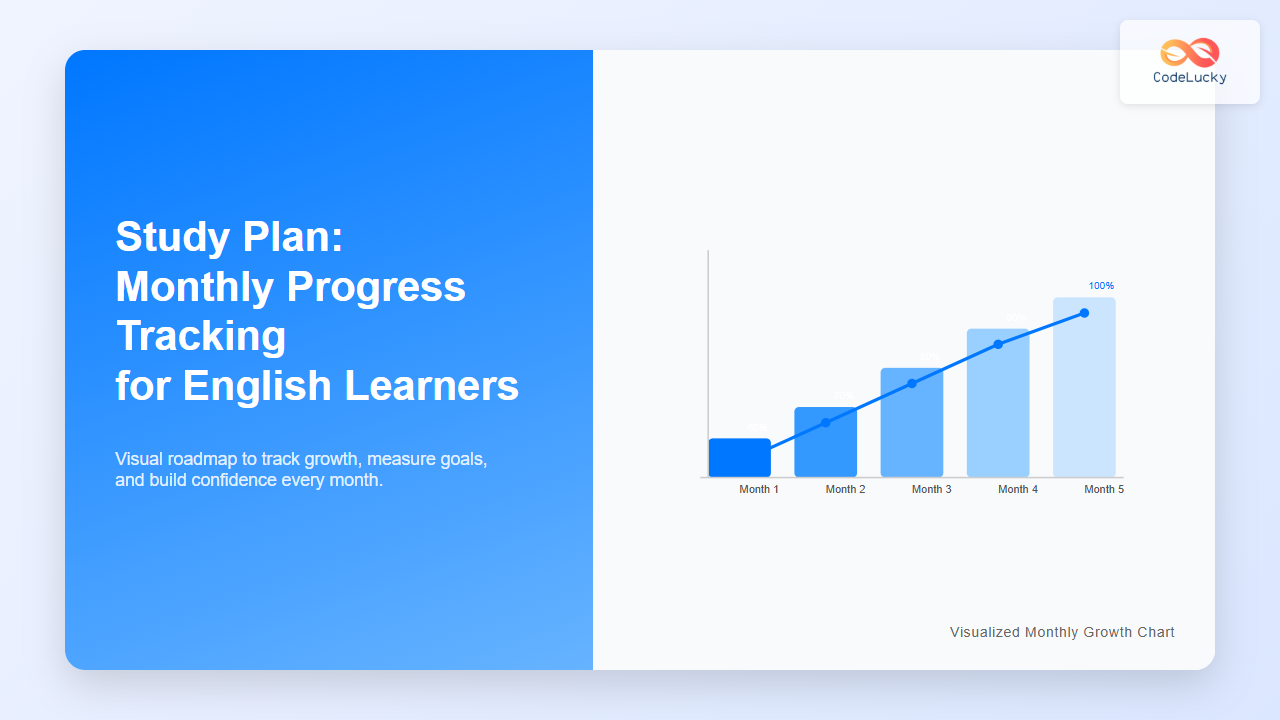
Tracking progress visually keeps motivation strong. You can build a simple progress tracker to note improvement over time.

Interactive Example: Self-Assessment Checklist
Try this practical checklist template every month. Copy it to your notes and mark your score (1–5 scale) for each question:
[ ] I can understand English videos without subtitles.
[ ] I can speak continuously for at least 2 minutes.
[ ] My reading speed has improved since last month.
[ ] My writing shows fewer grammatical errors.
[ ] I review new vocabulary weekly.
Total your score and compare it to the previous month. The higher your score, the more your confidence and competence improve.
Month-to-Month Tracking Structure
Here’s how to build your own 6-month roadmap for English mastery:

Common Mistakes to Avoid
- Skipping reflection: Always review what worked before starting a new month.
- Lack of measurable criteria: Goals like “speak better” are vague. Say “speak 3 minutes fluently.”
- Ignoring weak skills: Balance all four core areas to achieve holistic growth.
Tools and Resources for Easier Tracking
- Google Sheets or Notion: Create progress charts and color-coded skill trackers.
- Language Learning Apps: Use features like daily streaks and test scores for tracking.
- Voice Recorders: Compare speaking fluency month by month.
- Flashcard Tools: Track vocabulary growth with quiz history.
Sample Monthly Tracker Template
Try maintaining a simple markup like this to view your monthly targets clearly:
| Month | Listening | Speaking | Reading | Writing | Reflection Summary |
|--------|------------|-----------|----------|----------|--------------------|
| 1 | 70% | 60% | 65% | 55% | Great start, work on fluency |
| 2 | 75% | 68% | 70% | 63% | Need more reading variety |
| 3 | 80% | 75% | 78% | 70% | Strong progress overall |
Final Thoughts
English learning is not a one-day achievement but a continual process of small, measurable improvements. With a monthly tracking strategy, learners maintain focus, visualize growth, and stay motivated throughout the journey.
Start your first month today — plan, track, learn, and see your English confidence rise step by step.