Effective stakeholder management is the cornerstone of successful Agile projects. In today’s complex business environment, projects involve multiple parties with varying interests, expectations, and levels of influence. Understanding how to identify, engage, and maintain positive relationships with all stakeholders can make the difference between project success and failure.
Understanding Stakeholders in Agile Projects
Stakeholders are individuals, groups, or organizations who can affect or are affected by your project. In Agile environments, stakeholder engagement becomes even more critical due to the iterative nature of development and the need for continuous feedback and collaboration.
Primary Stakeholders
Product Owner: The primary representative of business stakeholders who defines requirements and prioritizes the product backlog. They serve as the bridge between the development team and business users, ensuring that the product delivers maximum value.
Scrum Master: Facilitates the Agile process and removes impediments while ensuring team adherence to Agile principles. They play a crucial role in stakeholder communication and conflict resolution.
Development Team: The cross-functional group responsible for delivering the product increment. Their expertise and feedback are essential for realistic planning and technical decision-making.
End Users: The ultimate consumers of the product whose needs and feedback drive product evolution. Regular engagement with end users ensures the product meets real-world requirements.
Secondary Stakeholders
Executive Sponsors: Senior leadership who provide funding and strategic direction. They require high-level progress updates and assurance that the project aligns with organizational goals.
Business Analysts: Bridge the gap between business requirements and technical implementation. They help translate stakeholder needs into actionable user stories and acceptance criteria.
Quality Assurance Teams: Ensure product quality and compliance with standards. Their involvement throughout the development cycle prevents quality issues and reduces technical debt.
Vendors and Third-party Partners: External organizations that provide services, tools, or integrations critical to project success. Managing these relationships requires clear communication and well-defined agreements.
Stakeholder Identification and Analysis
The Stakeholder Mapping Process
Begin by conducting a comprehensive stakeholder analysis to identify all parties who have an interest in or influence over your project. Create a stakeholder register that includes contact information, roles, responsibilities, and expectations for each stakeholder.
Use brainstorming sessions with your team to ensure no stakeholders are overlooked. Consider both obvious stakeholders like project sponsors and less obvious ones like compliance officers or IT security teams who may have requirements that affect your project.
Power-Interest Grid Analysis
Categorize stakeholders using a power-interest matrix to determine the appropriate level of engagement for each group:
High Power, High Interest: These are your key stakeholders who require active management and regular communication. They typically include product owners, executive sponsors, and key business users.
High Power, Low Interest: Keep these stakeholders satisfied with periodic updates. They might include senior executives who aren’t directly involved but could influence project resources or priorities.
Low Power, High Interest: Keep these stakeholders informed as they can provide valuable feedback and support. This group often includes end users and subject matter experts.
Low Power, Low Interest: Monitor these stakeholders with minimal effort. However, be aware that stakeholder positions can shift throughout the project lifecycle.
Communication Strategies for Different Stakeholder Types
Executive Communication
Executives prefer high-level summaries focusing on business value, ROI, and strategic alignment. Prepare concise dashboards showing key metrics like burn-down charts, velocity trends, and milestone progress. Schedule regular executive briefings that highlight achievements, upcoming deliverables, and any risks requiring executive attention or decision-making.
Use visual aids like charts and graphs to quickly communicate complex information. Focus on outcomes rather than activities, emphasizing how the project contributes to organizational goals and competitive advantage.
Technical Stakeholder Engagement
Technical stakeholders appreciate detailed information about architecture decisions, technical debt, and implementation challenges. Provide access to technical documentation, code repositories, and testing results. Include them in architectural reviews and technical decision-making processes.
Establish regular technical forums where developers, architects, and technical leads can discuss implementation details, share knowledge, and align on technical standards and best practices.
Business User Communication
Business users need to understand how the product will impact their daily work and what benefits they can expect. Use language that relates to their business processes and challenges. Provide regular demonstrations of working software and gather feedback on usability and functionality.
Create user-friendly documentation and training materials that help business users understand new features and processes. Consider establishing user groups or advisory committees for ongoing feedback and feature prioritization.
Building Trust and Maintaining Relationships
Establishing Credibility
Trust is built through consistent delivery and transparent communication. Set realistic expectations and meet your commitments. When challenges arise, communicate them early and present potential solutions along with the problems.
Demonstrate competence by sharing relevant experience, certifications, and past successes. Be honest about limitations and seek help when needed rather than making promises you cannot keep.
Active Listening and Empathy
Practice active listening during stakeholder interactions. Ask clarifying questions to ensure you understand their concerns and requirements. Acknowledge their perspectives even when you disagree, and work collaboratively to find mutually acceptable solutions.
Show empathy by understanding the pressures and constraints that stakeholders face in their roles. This understanding helps you tailor your communication and find solutions that address their underlying concerns.
Conflict Resolution
Conflicts among stakeholders are inevitable in complex projects. Address conflicts early before they escalate and impact project progress. Use structured problem-solving approaches to identify root causes and develop win-win solutions.
Facilitate discussions between conflicting parties and help them find common ground. Sometimes conflicts arise from miscommunication or different interpretations of requirements, which can be resolved through clarification and documentation.
Agile-Specific Stakeholder Engagement Techniques
Sprint Reviews and Demonstrations
Sprint reviews provide regular opportunities for stakeholder feedback on working software. Structure these sessions to maximize stakeholder value by focusing on business functionality rather than technical implementation details.
Prepare demonstrations that tell a story about how the software solves business problems. Allow time for questions and feedback, and document action items for future iterations.
User Story Workshops
Involve stakeholders in user story creation and refinement sessions. These collaborative workshops help ensure that requirements are well-understood and that acceptance criteria are clear and testable.
Use techniques like story mapping to help stakeholders visualize the user journey and prioritize features based on user value and business impact.
Continuous Feedback Loops
Establish multiple channels for ongoing stakeholder feedback beyond formal ceremonies. This might include regular one-on-one meetings, feedback forms, user analytics, and informal check-ins.
Create feedback mechanisms that are convenient for stakeholders to use and ensure that you respond to feedback in a timely manner, even if the response is to explain why certain suggestions cannot be implemented.
Managing Stakeholder Expectations
Setting Realistic Expectations
Clear expectation setting prevents disappointment and maintains stakeholder confidence. Explain Agile principles and how they differ from traditional project management approaches. Help stakeholders understand that requirements may evolve and that change is expected and welcomed in Agile projects.
Provide realistic timelines and explain the factors that influence delivery dates. Use historical velocity data and team capacity to make informed commitments about future deliverables.
Managing Scope Changes
Establish clear processes for handling scope changes and new requirements. While Agile embraces change, it’s important that stakeholders understand the impact of changes on timelines and priorities.
Use techniques like impact analysis to help stakeholders understand the tradeoffs involved in adding new features or changing existing requirements. Present options and let stakeholders make informed decisions about priorities.
Transparency and Progress Reporting
Maintain transparency through regular progress reporting and information radiators. Use tools like burndown charts, kanban boards, and velocity tracking to provide visibility into project progress and team performance.
Share both successes and challenges openly. When problems arise, present them along with mitigation strategies and lessons learned to maintain stakeholder confidence in your ability to manage the project effectively.
Tools and Techniques for Stakeholder Management
Digital Collaboration Platforms
Leverage collaboration tools to maintain ongoing communication with distributed stakeholders. Platforms like Slack, Microsoft Teams, or Confluence can facilitate real-time communication and document sharing.
Use project management tools like Jira, Azure DevOps, or Trello to provide stakeholders with visibility into project progress and allow them to track specific features or requirements they care about.
Communication Planning
Develop a comprehensive communication plan that specifies what information will be shared with which stakeholders, when, and through what channels. This ensures consistent communication and prevents important stakeholders from being overlooked.
Consider stakeholder preferences for communication frequency and format. Some stakeholders prefer detailed written reports while others prefer brief verbal updates or visual dashboards.
Stakeholder Feedback Management
Implement systematic approaches for collecting, analyzing, and responding to stakeholder feedback. Use surveys, interviews, and observation to gather comprehensive feedback about project progress and stakeholder satisfaction.
Create feedback loops that close the circle by showing stakeholders how their input influenced project decisions and outcomes. This encourages continued engagement and demonstrates that their contributions are valued.
Common Challenges and Solutions
Conflicting Stakeholder Priorities
When stakeholders have competing priorities, facilitate discussions to help them understand each other’s perspectives and find compromise solutions. Use techniques like weighted scoring or impact-effort matrices to make prioritization decisions more objective.
Sometimes escalation to higher-level stakeholders is necessary to resolve conflicts that cannot be addressed at the project level. Prepare clear documentation of the conflict and proposed solutions to facilitate decision-making.
Stakeholder Availability and Engagement
Busy stakeholders may be difficult to engage consistently. Work with them to find communication methods and schedules that fit their availability. Consider asynchronous communication methods and recorded demonstrations for stakeholders who cannot attend regular meetings.
Identify proxy stakeholders who can represent the interests of unavailable key stakeholders. Ensure these proxies have the authority and knowledge necessary to make decisions on behalf of their constituents.
Changing Stakeholder Landscape
Stakeholders may change throughout the project lifecycle due to organizational changes or shifting priorities. Regularly review and update your stakeholder analysis to ensure you’re engaging the right people with appropriate influence and interest levels.
When new stakeholders join the project, provide them with comprehensive onboarding that includes project background, current status, and expectations for their involvement.
Measuring Stakeholder Engagement Success
Stakeholder Satisfaction Metrics
Regularly measure stakeholder satisfaction through surveys, interviews, and feedback sessions. Track trends over time to identify areas for improvement in your stakeholder management approach.
Monitor engagement metrics such as meeting attendance, response rates to communications, and participation in project activities. These indicators can help you identify stakeholders who may be disengaging and need additional attention.
Project Outcome Indicators
Effective stakeholder management should correlate with positive project outcomes such as on-time delivery, budget adherence, and user acceptance. Track these metrics to validate the effectiveness of your stakeholder engagement strategies.
Monitor post-implementation success metrics like user adoption rates, system usage, and business value realization to assess the long-term impact of effective stakeholder management.
Best Practices for Long-term Success
Continuous Improvement
Regularly reflect on stakeholder management practices and identify opportunities for improvement. Conduct retrospectives that include stakeholder feedback and adjust your approach based on lessons learned.
Stay updated on stakeholder management best practices and tools. Attend training sessions, read industry publications, and network with other project managers to learn new techniques and approaches.
Building Stakeholder Management Capabilities
Develop stakeholder management skills across your team, not just at the project manager level. Train team members in communication skills, conflict resolution, and customer service to create a culture of stakeholder focus.
Document successful stakeholder engagement strategies and create templates and guidelines that can be reused across projects. This helps maintain consistency and quality in stakeholder management practices.
Strategic Stakeholder Relationships
Think beyond individual projects to build long-term strategic relationships with key stakeholders. These relationships can provide benefits across multiple projects and help establish your team as a trusted partner in business success.
Maintain relationships with stakeholders even after project completion. They may become stakeholders in future projects or provide references and support for new initiatives.
Effective stakeholder management in Agile projects requires a combination of systematic approaches, strong communication skills, and genuine commitment to stakeholder success. By implementing the strategies and techniques outlined in this guide, you can build strong stakeholder relationships that contribute to project success and organizational value creation. Remember that stakeholder management is an ongoing process that requires continuous attention and refinement throughout the project lifecycle.
Related Posts
Sprint Review: Demonstrating Value to Stakeholders – Complete Guide for Agile Teams
The Sprint Review stands as one of the most critical ceremonies in the Scrum framework, serving as the bridge between...
Product Owner Role: Complete Guide for Agile Teams and Scrum Masters
What is a Product Owner? A Product Owner is a crucial role in Agile and Scrum methodologies who acts as...
Scrum Development Team: Complete Guide to Roles, Responsibilities and Best Practices
What is a Scrum Development Team? The Scrum Development Team is the heart of any successful Agile project, consisting of...
Scrum of Scrums: Complete Guide to Coordinating Multiple Agile Teams
When organizations scale their Agile practices beyond a single team, coordinating multiple Scrum teams becomes a critical challenge. Scrum of...
Introduction to Scrum Framework: Complete Guide for Agile Project Management
The Scrum framework has revolutionized how teams approach project management and software development. As one of the most popular agile...
Scrum Master Role and Responsibilities: Complete Guide to Agile Leadership
The Scrum Master plays a pivotal role in Agile development teams, serving as both a facilitator and a servant leader...
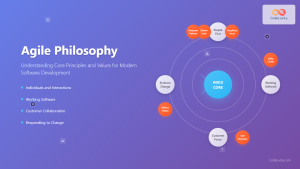
Agile Philosophy: Understanding Core Principles and Values for Modern Software Development
Introduction to Agile Philosophy Agile philosophy represents a fundamental shift in how software development teams approach project management, collaboration, and...

Facilitation Skills: Essential Guide to Guiding Effective Agile Team Interactions
Effective facilitation is the cornerstone of successful Agile teams. Whether you're a Scrum Master, Product Owner, or team lead, mastering...
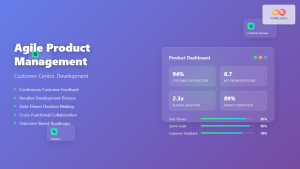
Agile Product Management: Complete Guide to Customer-Centric Development Success
What is Agile Product Management? Agile Product Management is a strategic approach that combines traditional product management principles with agile...
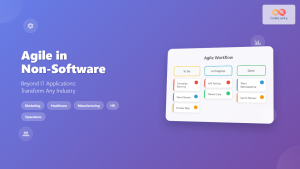
Agile in Non-Software: Complete Guide to Implementation Beyond IT Applications
Introduction to Agile Beyond Software Development While Agile methodologies originated in software development, their core principles of flexibility, collaboration, and...
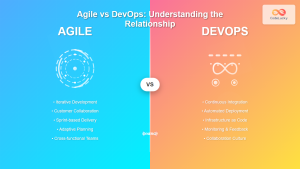
Agile vs DevOps: Understanding the Relationship Between Two Powerful Software Development Methodologies
In today's fast-paced software development landscape, organizations are constantly seeking methodologies that can accelerate delivery while maintaining quality. Two prominent...
Agile Training: Complete Guide to Building High-Performance Team Capabilities
Agile training has become the cornerstone of modern software development and project management success. Organizations worldwide are investing heavily in...