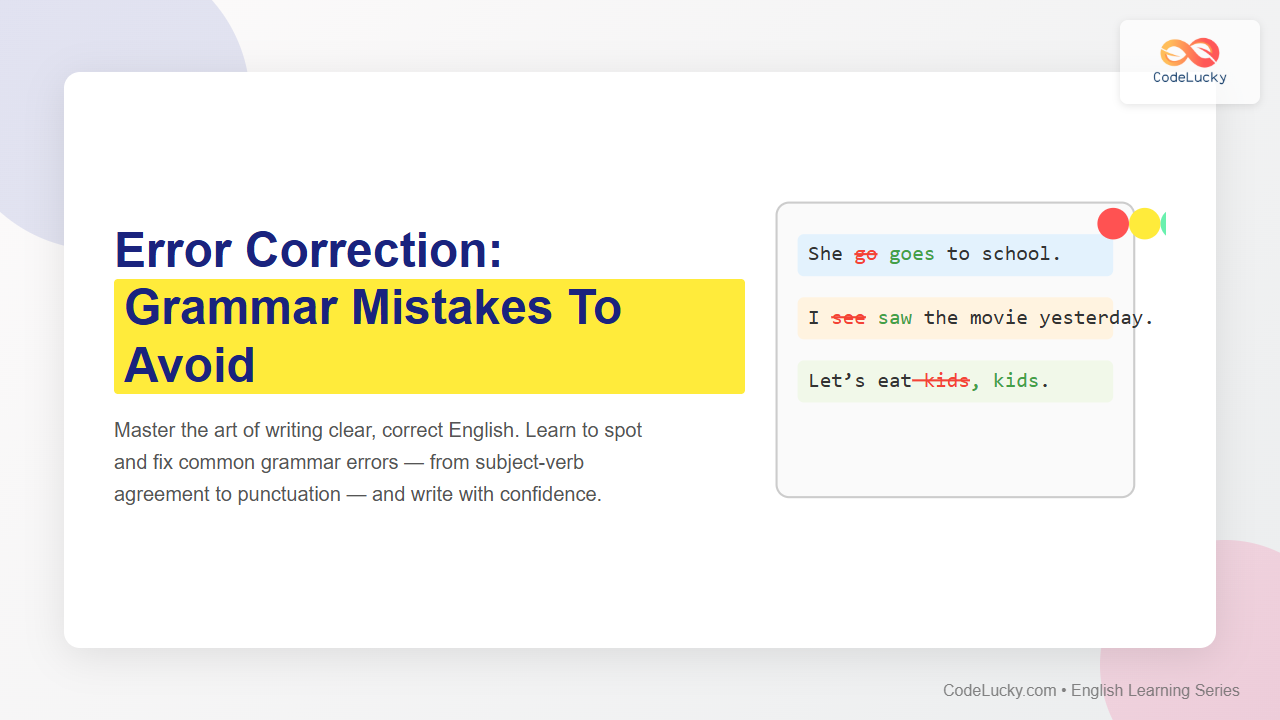
Speaking English is one of the most important skills for global communication, but for many beginners, it can feel intimidating. The good news is that you don’t need to be perfect to start — you only need to begin. In this guide, we’ll cover practical techniques, strategies, and interactive examples that will help you start speaking English confidently from day one.
Why Speaking English Feels Difficult
Many learners struggle to speak because they fear making mistakes or don’t have enough vocabulary. But remember — communication is not about perfection, but connection. Even native speakers make grammar mistakes sometimes. The key is to learn the rhythm, confidence, and flow of conversation.

The diagram above shows the fear loop many learners experience. Breaking this cycle requires small, consistent speaking steps every day.
Step 1: Think in English
Most learners translate thoughts from their native language into English, which slows down speech. Instead, think in simple English sentences. For example:
- When you wake up, say in your mind: “I am brushing my teeth.”
- While commuting, describe your surroundings: “The bus is crowded today.”
This habit helps your brain switch to “English mode,” making it easier to speak naturally.
Step 2: Learn Phrases, Not Just Words
Single words don’t help much in conversation. Learn short, useful phrases and expressions that real speakers use daily. For instance:
| Situation | Useful Phrases |
|---|---|
| Meeting someone | Hello, nice to meet you! / How’s your day going? |
| Asking for help | Could you please help me? / I’m looking for this place. |
| Shopping | How much does this cost? / Can I pay by card? |
Step 3: Practice Aloud — Daily
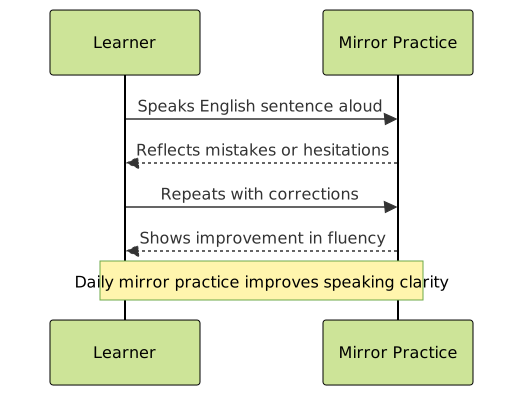
Speaking is a physical skill. The more your mouth practices English sounds, the easier they become. Choose any paragraph from your favorite book or article and read it aloud for five minutes daily. Record your voice occasionally and observe pronunciation or hesitation patterns.
Step 4: Use Interactive Speaking Tasks
To make practice fun, create small daily challenges. Try this interactive idea:
- Describe what you see: Pick any object in your room and describe it for 30 seconds.
- Role play: Imagine you’re ordering coffee. Say both sides of the conversation.
- One-minute talk: Choose a random topic like “My favorite season” and speak nonstop for one minute.
Challenge yourself to think fast and avoid switching languages mid-sentence. This helps you stay spontaneous.
Step 5: Find a Speaking Partner
Practicing with another person speeds up your learning dramatically. You can find partners online or in study groups. If you don’t have one, even recording your own voice and responding to it imitates real conversation.

Step 6: Listen and Imitate
Listening is the secret soft skill behind good speaking. Watch English videos, podcasts, or movies with subtitles. Pick one line and repeat it mimicking tone and emotion. This builds pronunciation and rhythm naturally.
Example:
Video line: “Could you pass me the salt, please?”
Your practice: Record yourself saying the same line until it sounds natural.
Step 7: Join English Communities
Whether it’s an online forum, language exchange app, or a local speaking club, being around English speakers helps a lot. Real-life exposure forces you to use English without hesitation, cementing what you’ve learned.

Example Daily Routine for English Speaking
- Morning: Think in English while getting ready.
- Afternoon: Listen to a short English video and repeat phrases.
- Evening: Speak for five minutes about your day.
Consistency is more important than long sessions. Even 15 minutes daily can improve your speaking fluency within weeks.
Bonus: Common Beginner Mistakes and Fixes
| Common Problem | Better Approach |
|---|---|
| Speaking too fast | Focus on clarity, not speed. |
| Using complex vocabulary | Stick to simple, accurate phrases first. |
| Repeating filler words (“uh”, “like”) | Pause instead. Silence sounds confident. |
Final Thoughts
Starting to speak English as a beginner is about daily action and confidence-building. You don’t need to wait until your grammar is perfect. Every sentence you speak — even small — adds up to visible progress over time.
If you start today and stay consistent for just one month, you’ll notice your hesitation disappear. Remember: learning to speak English is not a race — it’s a conversation, one that begins the moment you say your first word.