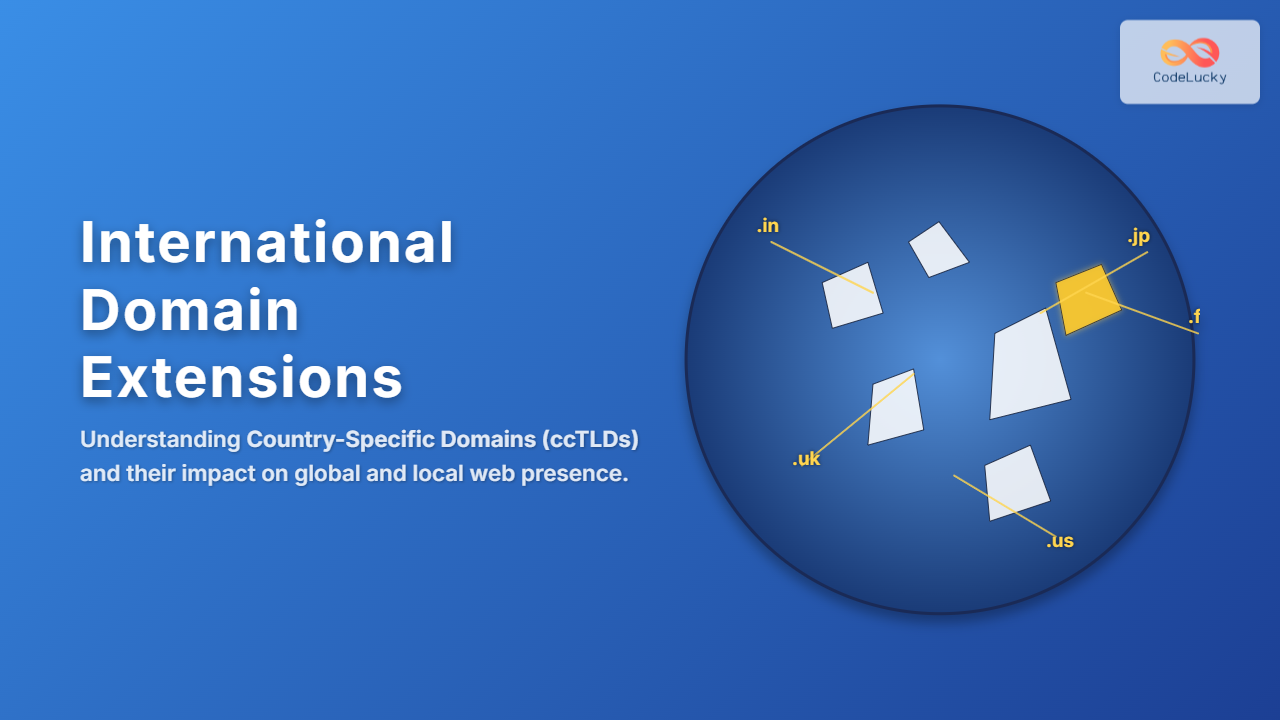
When navigating the dynamic landscape of the internet, domain extensions play a crucial role in defining the identity and geographical relevance of websites. International domain extensions, specifically country-specific domains, form an essential part of this ecosystem, allowing businesses and individuals to target their audience based on region and improve SEO effectiveness.
This article explores the concept of country-specific domain extensions, commonly known as ccTLDs (country code Top-Level Domains), including their structure, importance, examples, and best practices for usage in web development and SEO strategy.
What Are International Domain Extensions?
International domain extensions refer to top-level domains (TLDs) assigned to represent specific countries or territories. Unlike generic top-level domains (gTLDs) such as .com, .net, or .org, these are typically two-letter codes derived from ISO 3166-1 alpha-2 country codes.
Examples include:
- .us for the United States
- .uk for the United Kingdom
- .jp for Japan
- .in for India
These domain extensions help users immediately identify the country origin or intended audience of the website.
Importance of Country-Specific Domains
Using ccTLDs is a strategic decision for businesses and websites targeting local markets. Here’s why they matter:
- Geographic Targeting: ccTLDs signal to search engines the target region for a website, which can enhance local SEO rankings.
- Building Trust: Locals often trust country-specific domains more because they imply local presence and relevance.
- Legal and Regulatory Compliance: Some countries require local businesses to have domains within their ccTLD for compliance and operations.
- Branding: ccTLDs can be a part of clever domain hacks for marketing or brand recognition (e.g., del.icio.us).
Common Structure and Examples
Domains using international extensions generally follow the format:
example.ccTLDFor instance, a popular website targeting the UK audience might use:
www.company.co.ukSome countries have second-level domains under the ccTLD reserved for certain types of organizations:
.co.uk– Commercial UK websites.gov.uk– UK government websites.ac.uk– UK academic institutions
Similarly, Japan’s domain structure looks like:
example.jpIn India, there are similar patterns:
example.inorexample.co.in
How Do ccTLDs Impact SEO?
Search engines use ccTLDs as a strong signal for geographic targeting. Google, for example, treats ccTLDs as a clear indication that a website is intended for users in a specific country, which influences ranking in that locale.
Benefits for SEO include:
- Localized Search Rankings: Websites with ccTLDs rank higher in their specific countries.
- Improved Click-through Rates: Local users are more likely to click on domains associated with their country.
- Reduced Competition: Geographic segmentation can reduce direct competition with global sites in search results.
However, using ccTLDs limits a website’s international reach unless strategically paired with other domain or SEO tactics.
Examples of Popular Country-Specific Domains
Here are examples of some well-known ccTLDs and their typical usage:
| Country | ccTLD | Usage |
|---|---|---|
| United States | .us | Local businesses, government, and organizations |
| United Kingdom | .uk (with .co.uk, .gov.uk, .ac.uk) | Commercial, governmental, academic sites |
| Canada | .ca | Used predominantly by Canadian businesses and institutions |
| India | .in (.co.in, .gov.in) | Commercial and government sites |
| Germany | .de | Popular for German-based businesses and content |
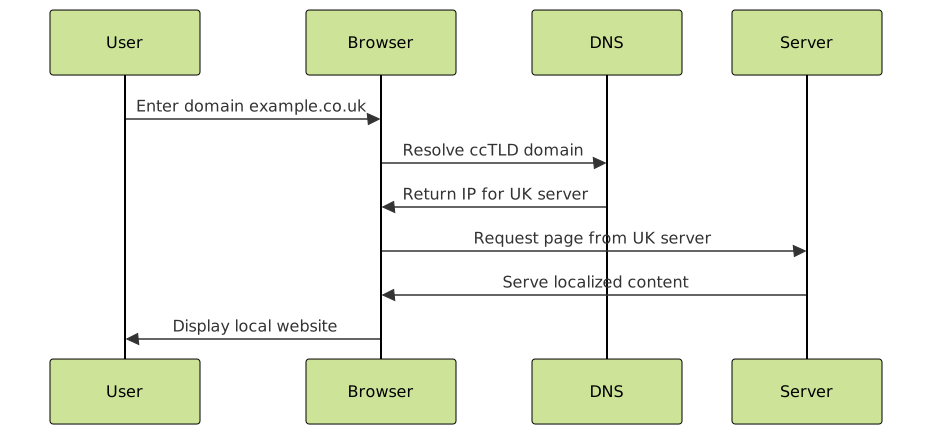
Interactive Example: Visualizing ccTLD Resolution
Imagine typing example.co.uk in your browser. The DNS system recognizes the ccTLD .uk and directs you to servers primarily serving UK users, influencing both content and performance optimization.
This geographic routing is crucial for websites that rely on localized marketing, language preferences, and compliance with regional regulations.
Best Practices When Using Country-Specific Domains
- Choose ccTLDs Based on Target Audience: Only pick a country-specific domain if targeting that particular country or region.
- Consider Subdomains or Subdirectories for International Presence: To maintain a global footprint, consider using gTLDs with country-based subdomains (e.g., uk.example.com) or subdirectories (example.com/uk/) along with ccTLDs.
- Maintain Consistent Branding: Keep branding and UX consistent to avoid confusing users between your ccTLDs and global domains.
- Register Domains with Reputable Registrars: Ensure your ccTLD domains are registered and renewed through trustworthy registrars to avoid losing ownership or facing DNS issues.
- Localize Content: Match ccTLD use with localized content, language, currency, and legal compliance for maximum effect.

Conclusion
International domain extensions in the form of ccTLDs are powerful tools in global web strategy, providing clear geo-targeting, enhanced local SEO, and brand trust benefits. Selecting the right country-specific domain must align with the website’s target demographic, marketing goals, and SEO strategy.
With a strategic approach toward domain structuring and localization, ccTLDs help secure a strong web presence in specific countries while enhancing user experience and search engine relevance.