

Image CDN (Content Delivery Network) is a specialized form of CDN focused on efficient, fast, and high-quality delivery of images across the internet. In today’s visually rich and bandwidth-sensitive web environment, serving images rapidly without compromising quality is crucial for user experience and SEO. This article dives deeply into what Image CDNs are, their architecture, how they function differently from traditional CDNs, and best practices to leverage them for web projects.
What is an Image CDN?
An Image CDN is a geographically distributed network optimized specifically for image serving and delivery. It combines typical CDN features like caching and global edge servers with image-specific capabilities such as real-time optimization, resizing, format conversion, and adaptive delivery based on device and network conditions.
Unlike generic CDNs that cache static content, Image CDNs process images on the fly or on upload, enabling dynamic manipulations that reduce file size, improve loading performance, and enhance visual quality.

Key Features of Image CDNs
- Dynamic Image Optimization: They automatically resize, compress, and convert images to modern formats (WebP, AVIF) based on device type and browser support.
- Global Edge Caching: Images are cached at edge servers close to users, drastically reducing loading time.
- Adaptive Delivery: Image CDNs serve images optimized for device resolution, screen size, and network speed improving visual performance on mobile and desktop.
- Security and Access Controls: Many Image CDNs provide tokenized URLs, hotlink protection, and HTTPS delivery out of the box.
- Real-time Transformation APIs: On-demand manipulation such as cropping, watermarking, color adjustments without having to store multiple image versions.
How Image CDNs Work
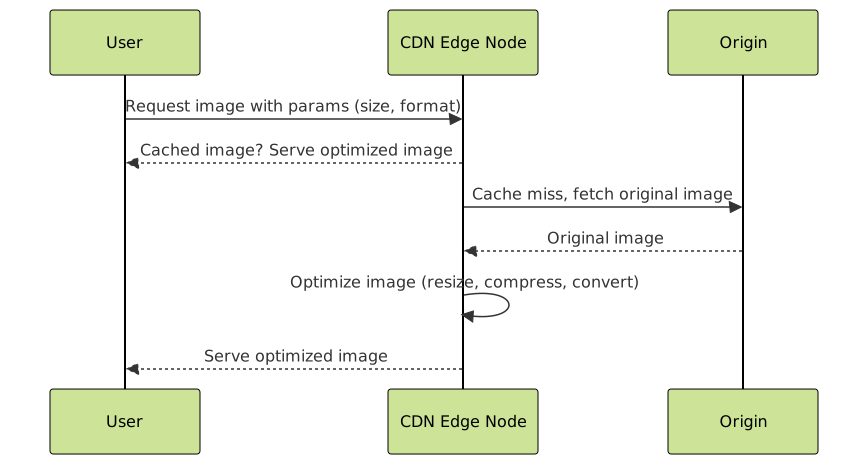
The process generally works as follows:
- A user requests an image on a website.
- The request is routed to the closest edge node of the Image CDN.
- If the image variant exists and is fresh in the edge cache, it is served immediately.
- If it’s a cache miss, the original image is fetched from the origin server.
- The Image CDN optimization engine processes the original image according to predefined or query-based parameters and stores this processed variant on the edge server.
- The optimized image is delivered to the user.
This automatic optimization and caching means reduced bandwidth use for both server and clients, plus faster page loads—a critical factor for SEO and user retention.
Benefits of Using Image CDNs
- Improved Performance: Faster page load times by delivering optimized images from network edges close to users reduce latency drastically.
- Bandwidth Savings: Reduced size by proper compression and modern formats lowers bandwidth costs for server-side and users.
- Scalability: As traffic spikes, Image CDNs scale seamlessly without impacting website server load.
- Enhanced User Experience: Optimized images load faster and look great on all devices, reducing bounce rates and increasing engagement.
- SEO Advantages: Faster loading sites rank better in search engines; adaptive images also help achieve Core Web Vitals targets.
Popular Image CDN Providers
Some widely-used Image CDN services include:
- Cloudflare Images
- Imgix
- ImageKit
- Fastly Image Optimization
- Akamaized Image Manager
Example: Using a Simple Image CDN Transformation URL
Imagine an original image URL:
https://example.com/images/photo.jpg
An Image CDN allows transforming this on the fly via URL parameters. For example, resizing to width 300px and format WebP:
https://cdn.example.com/images/photo.jpg?width=300&format=webp
This URL instantly returns the optimized image. Such capabilities eliminate manual editing, reduce variants storage, and accelerate delivery.
Interactive Example: Image CDN Transformation Simulation
Below is an interactive HTML snippet simulating Image CDN dynamic resizing. Adjust the slider and see the image size change, mimicking CDN behavior:

Best Practices for Implementing Image CDNs
- Configure Automatic Format Selection: Let the CDN serve WebP or AVIF when supported by browsers.
- Define Size Breakpoints: Use responsive images with size breakpoints to ensure correct image size delivery per device.
- Leverage Lazy Loading: Combine Image CDN delivery with lazy loading to defer offscreen images.
- Use Cache-Control Headers: Tune cache lifetime for image variants on edges to balance freshness and speed.
- Secure Image URLs: Apply tokenized URLs or signed URLs if required to restrict unauthorized usage.

Architectural Overview
The architecture of Image CDN blends traditional CDN edge caching with real-time image processing. The origin maintains the source images, while edge nodes handle the majority of optimization and delivery. This reduces the load on origin servers and moves heavy computation closer to users.
SEO SEO SEO: Why Image CDN Matters for SEO
Search engines increasingly reward fast-loading pages with higher rankings. Images often form the largest portion of webpage weight, so optimizing image delivery can drastically improve page speed scores like Google Lighthouse and Web Vitals metrics such as Largest Contentful Paint (LCP).
Adaptive images served by an Image CDN can reduce bounce rates and increase engagement, indirectly boosting search rankings.
Summary
Image CDNs are a modern, powerful solution enabling websites to deliver highly optimized images at lightning speed worldwide. They marry CDN edge caching with intelligent, dynamic image transformations. Implementing an Image CDN improves user experience, reduces bandwidth, scales effortlessly, and supports SEO goals effectively. For any visually driven web project, Image CDNs are a critical tool for best-in-class image delivery.