Operating systems have been the backbone of computing for decades, evolving from simple batch processing systems to sophisticated platforms that manage everything from smartphones to supercomputers. As we stand at the threshold of a new technological era, emerging technologies are fundamentally reshaping how we think about and interact with operating systems.
The Current State of Operating Systems
Today’s operating systems face unprecedented challenges. Traditional monolithic architectures struggle with the demands of modern computing environments that require seamless integration across devices, real-time processing capabilities, and intelligent resource management. The rise of cloud computing, IoT devices, and AI applications has exposed the limitations of current OS designs.
Modern users expect their devices to be always connected, instantly responsive, and capable of learning from their behavior. These expectations are driving fundamental changes in OS architecture, pushing developers to reimagine everything from kernel design to user interfaces.
Artificial Intelligence Integration in Operating Systems
The integration of artificial intelligence into operating systems represents perhaps the most significant shift in computing since the introduction of graphical user interfaces. AI-powered operating systems are moving beyond simple voice assistants to become truly intelligent platforms that can predict user needs, optimize system performance, and adapt to usage patterns.
Predictive Resource Management
AI-enabled operating systems can analyze usage patterns to predict when applications will be needed, pre-loading them into memory and optimizing CPU scheduling. This predictive approach significantly reduces loading times and improves overall system responsiveness.

Intelligent Security
AI-powered security systems in future operating systems will continuously monitor system behavior, detecting anomalies and potential threats in real-time. These systems can adapt to new attack vectors without requiring traditional signature updates, providing more robust protection against zero-day exploits.
Adaptive User Interfaces
Future operating systems will feature interfaces that learn and adapt to individual users. These systems will automatically reorganize menus, suggest relevant applications, and even modify visual elements based on user preferences and accessibility needs.
Quantum Computing and Operating Systems
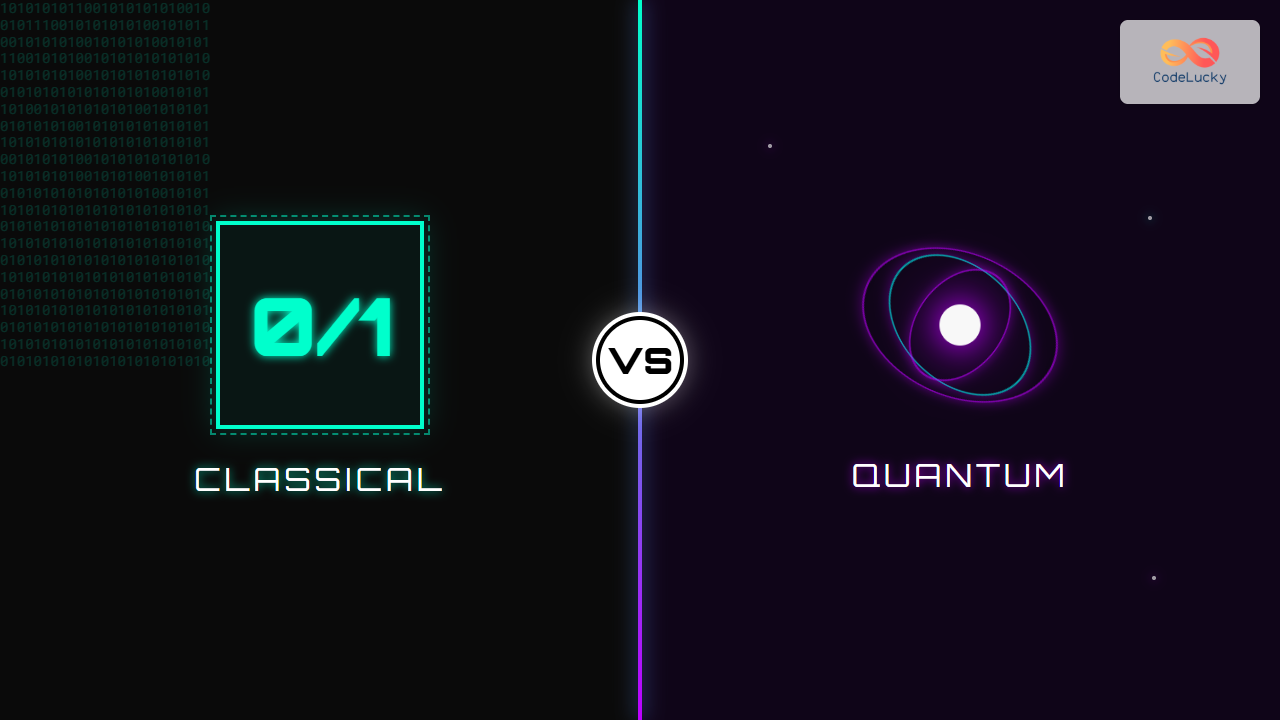
Quantum computing represents a paradigm shift that will require entirely new approaches to operating system design. Quantum operating systems must handle the unique characteristics of quantum hardware, including superposition, entanglement, and quantum decoherence.
Quantum Resource Management
Unlike classical bits that exist in definite states, quantum bits (qubits) exist in superposition states that must be carefully managed. Quantum operating systems need specialized schedulers that understand quantum gate operations and can optimize quantum circuit execution.

Hybrid Classical-Quantum Systems
The most practical quantum operating systems will be hybrid systems that seamlessly integrate classical and quantum computing resources. These systems will automatically determine which computations benefit from quantum acceleration and route them accordingly.
Edge Computing and Distributed Operating Systems
The proliferation of IoT devices and the need for low-latency processing are driving the development of edge-native operating systems. These systems are designed to operate efficiently on resource-constrained devices while maintaining connectivity to larger computing infrastructures.
Microkernel Architectures for Edge Devices
Edge operating systems often employ microkernel architectures that provide only essential services in the kernel space, with other functions running as user-space services. This approach reduces memory footprint and improves reliability on resource-limited edge devices.
Real-time Processing Capabilities
Edge computing scenarios often require real-time or near-real-time processing. Future edge operating systems incorporate deterministic scheduling algorithms and hardware-assisted real-time capabilities to meet strict timing requirements.

Cloud-Native Operating Systems
Cloud-native operating systems represent a fundamental shift from traditional server-based architectures to systems designed specifically for containerized, distributed environments. These operating systems prioritize scalability, resilience, and automated management.
Container-First Design
Unlike traditional operating systems that treat containers as applications, cloud-native OS platforms are built with containers as first-class citizens. The OS itself may be composed of containerized services, enabling unprecedented flexibility and updateability.
Infrastructure as Code Integration
Cloud-native operating systems integrate deeply with infrastructure-as-code tools, allowing the entire system configuration to be version-controlled and automatically deployed. This approach enables immutable infrastructure patterns where systems are replaced rather than updated.
Immersive and Spatial Computing Interfaces
The rise of augmented reality (AR), virtual reality (VR), and mixed reality (MR) technologies is driving the development of spatial operating systems that can manage three-dimensional user interfaces and immersive computing environments.
3D Workspace Management
Spatial operating systems must handle the complex task of managing applications and windows in three-dimensional space. This includes handling depth perception, occlusion, and spatial anchoring of digital objects in physical environments.

Context-Aware Computing
Immersive operating systems leverage spatial awareness to provide context-sensitive computing experiences. Applications can understand their position in physical space and adapt their behavior accordingly, creating more intuitive and natural interactions.
Blockchain and Decentralized Operating Systems
Blockchain technology is enabling the development of decentralized operating systems that operate across distributed networks without centralized control. These systems promise enhanced privacy, censorship resistance, and user ownership of data.
Distributed Storage and Execution
Decentralized operating systems distribute both data storage and application execution across network nodes. This approach eliminates single points of failure and reduces dependence on centralized cloud providers.
Token-Based Resource Allocation
These systems often use cryptocurrency tokens to manage resource allocation, creating economic incentives for network participants to contribute computing resources, storage, and bandwidth.
Security Evolution in Future Operating Systems
Future operating systems will implement security as a fundamental architectural principle rather than an add-on feature. This includes hardware-based security enclaves, zero-trust networking, and cryptographic identity management.
Hardware Security Integration
Modern processors include hardware security features like Intel SGX and ARM TrustZone. Future operating systems will leverage these capabilities to create isolated execution environments for sensitive operations.

Identity-Centric Security
Future operating systems will implement identity-centric security models where access controls are based on cryptographic identities rather than traditional username-password combinations. This approach enables more granular access control and improved security across distributed systems.
Performance and Efficiency Innovations
As computing workloads become more diverse and demanding, future operating systems are incorporating advanced techniques for performance optimization and energy efficiency.
Machine Learning-Driven Optimization
Operating systems are beginning to use machine learning algorithms to optimize various aspects of system performance, from memory management to network routing. These systems can adapt to changing workload patterns and optimize performance in ways that static algorithms cannot.
Heterogeneous Computing Support
Modern systems often include diverse computing elements such as CPUs, GPUs, FPGAs, and specialized AI accelerators. Future operating systems provide unified abstractions that allow applications to seamlessly utilize these diverse computing resources.
Challenges and Considerations
The evolution toward these advanced operating systems faces several significant challenges that must be addressed:
Compatibility and Migration
Transitioning from legacy systems to next-generation operating systems requires careful consideration of backward compatibility and migration strategies. Organizations cannot afford to abandon existing applications and workflows completely.
Privacy and Data Protection
AI-powered and cloud-native systems often require extensive data collection to function effectively. Balancing functionality with user privacy will be crucial for widespread adoption of these technologies.
Standardization and Interoperability
As operating systems become more specialized for different computing environments, maintaining interoperability between different systems becomes increasingly important. Industry-wide standards and protocols will be essential.
Industry Impact and Adoption Timelines
The adoption of these emerging technologies in operating systems will likely follow different timelines across various sectors:
Consumer Devices (2025-2030)
AI integration and improved user interfaces are already appearing in consumer operating systems. More advanced features like spatial computing and predictive resource management will become mainstream within the next five years.
Enterprise Systems (2028-2035)
Enterprise adoption typically lags consumer adoption due to stability requirements and legacy system integration needs. Cloud-native and edge computing operating systems will see significant enterprise adoption in the late 2020s.
Specialized Applications (2030+)
Quantum operating systems and fully decentralized systems will likely remain in specialized applications for the next decade, gradually expanding to broader use cases as the underlying technologies mature.
Preparing for the Future
Organizations and developers need to start preparing for these technological shifts:
Skills Development
Software developers should begin familiarizing themselves with AI/ML frameworks, container technologies, and distributed systems concepts. Understanding these technologies will be crucial for developing applications that can take advantage of future operating system capabilities.
Infrastructure Planning
IT organizations should consider how emerging technologies will impact their infrastructure needs. This includes planning for edge computing deployments, hybrid cloud architectures, and enhanced security requirements.
Strategic Technology Adoption
While cutting-edge technologies are exciting, organizations must balance innovation with stability and security. A gradual adoption approach, starting with pilot projects and proof-of-concept implementations, is often the most practical strategy.
The future of operating systems promises to be more intelligent, distributed, and user-centric than ever before. As these technologies mature and converge, they will create computing environments that are more responsive to human needs while being more efficient and secure. Organizations that begin preparing for these changes now will be best positioned to take advantage of the opportunities these advanced operating systems will create.
The transformation will not happen overnight, but the foundations are being laid today. By understanding these emerging trends and technologies, we can better prepare for a future where operating systems become invisible facilitators of seamless, intelligent computing experiences.