Managing personal finance in today’s digital world is easier than ever thanks to powerful budgeting tools designed to track expenses, manage cash flow, and help you reach your savings goals. But with dozens of apps claiming to be the best, how do you know which one actually fits your lifestyle? This article compares leading budgeting apps—Mint, YNAB, PocketGuard, and Goodbudget—to help you make an informed decision.
Why Budgeting Apps Matter
Traditional spreadsheets and notebooks are time-consuming and hard to maintain. Budgeting apps automate financial tracking, sync with your bank, and visualize spending habits. Whether your goal is saving for travel or getting debt-free, these tools act as your personal finance assistant.

Key Features to Look For
- Automated Expense Tracking: Syncs bank accounts and categorizes transactions instantly.
- Goal Setting: Enables saving targets like vacation funds or emergency savings.
- Custom Budget Categories: Create budget groups such as Food, Rent, or Entertainment.
- Cross-Platform Access: Works on mobile and web for seamless updates.
- Data Security: Protects financial data with encryption and secure authentication.
Top Budgeting Apps Compared
| Feature | Mint | YNAB | PocketGuard | Goodbudget |
|---|---|---|---|---|
| Automatic Sync | Yes | Yes | Yes | No (Manual entry) |
| Goal Tracking | Limited | Advanced | Moderate | Advanced |
| Subscription | Free (Ad-supported) | Paid | Free & Paid tiers | Free & Paid tiers |
| Ease of Use | Simple | Requires learning | Easy | Moderate |
| Best For | Casual Users | Dedicated Budgeters | Quick Tracking | Couples & Teams |
1. Mint – The All-in-One Free Tool
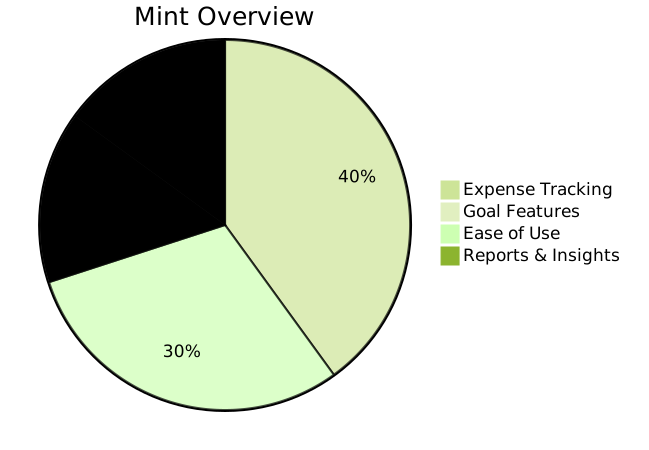
Mint by Intuit connects to your bank and credit cards, categorizing transactions automatically. It’s perfect for everyday users who want an overview without detailed configuration. However, ads and limited goal features might annoy power users.
2. YNAB (You Need A Budget) – For Financial Discipline
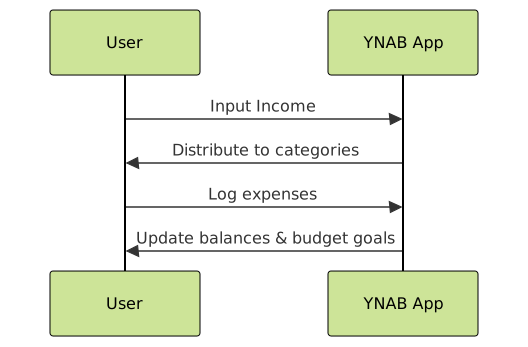
YNAB is built on the philosophy of “giving every dollar a job.” It empowers you to plan ahead instead of just tracking what already happened. Though subscription-based, YNAB offers detailed reports, debt pay-off tracking, and strong community support.
3. PocketGuard – Simple Overview of What’s Safe to Spend
PocketGuard gives users straightforward insights like “What’s In My Pocket?” after accounting for bills, goals, and recurring subscriptions. It’s perfect for individuals who prefer simplicity over detailed customization.
4. Goodbudget – Shared Budget for Couples
Goodbudget uses the envelope budgeting method, where you allocate funds to digital envelopes. It’s great for couples sharing budgets or those who prefer manual control over automatic syncing.
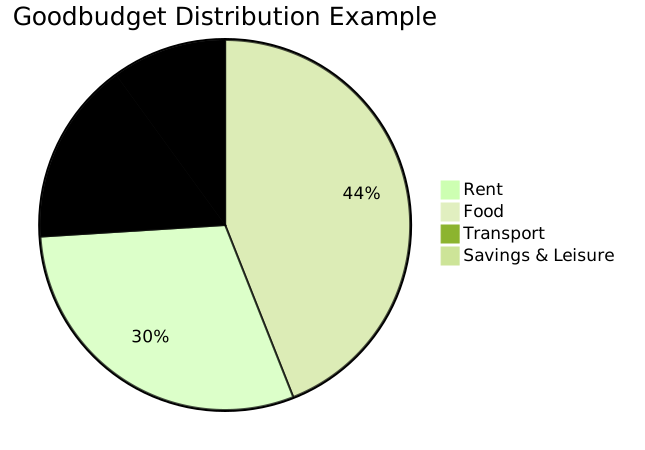
Example: If you have ₹50,000 income, you might set ₹15,000 for rent, ₹8,000 for food, ₹5,000 for transport, and ₹22,000 for savings and leisure. The app visually displays remaining envelopes and balances.
Interactive Budget Simulation (HTML Example)
This interactive example demonstrates how a simple JavaScript calculation can help you visualize budget remaining after expenses. Copy this to your local HTML file to test it interactively:
<div>
  <label>Total Income:</label>
  <input type="number" id="income" value="50000">
  <label>Expenses:</label>
  <input type="number" id="expenses" value="32000">
  <button onclick="calcBudget()">Calculate</button>
  <p id="output"></p>
</div>
<script>
function calcBudget(){
  var income = parseFloat(document.getElementById('income').value);
  var expenses = parseFloat(document.getElementById('expenses').value);
  var remaining = income - expenses;
  document.getElementById('output').innerText = "Remaining Budget: ₹" + remaining;
}
</script>
How to Choose the Right One
- Track your goals: Choose based on whether you’re saving, tracking expenses, or paying off debt.
- Consider automation: If you dislike manual entry, pick one with bank sync.
- Security & privacy: Ensure the app uses strong encryption and respects data permissions.
- Usability: Try a free trial to confirm the interface suits your style.
Summary – The Right Tool Makes All the Difference
Each budgeting app shines in its own way: Mint simplifies everything for free, YNAB enforces discipline, PocketGuard shows quick insights, and Goodbudget encourages mindful spending. Evaluating your habits, income streams, and financial goals will help you select the perfect one.
Remember: The best budgeting app is the one you’ll consistently use. Consistency transforms spending data into actionable financial wisdom.