Improving your English vocabulary starts with recognizing and correcting the most common mistakes that many beginners make. These can range from choosing the wrong word, confusing similar-sounding terms, or using informal expressions in formal contexts. In this detailed Error Correction guide from CodeLucky.com, we’ll analyze popular vocabulary errors, why they happen, and how to fix them — with interactive examples and simple visuals for better retention.
1. Confusing Similar Words (Homophones)
Homophones are words that sound the same but have different meanings or spellings. Beginners often mix them up because they “sound right.” Let’s look at common examples:
| Incorrect | Correct | Explanation |
|---|---|---|
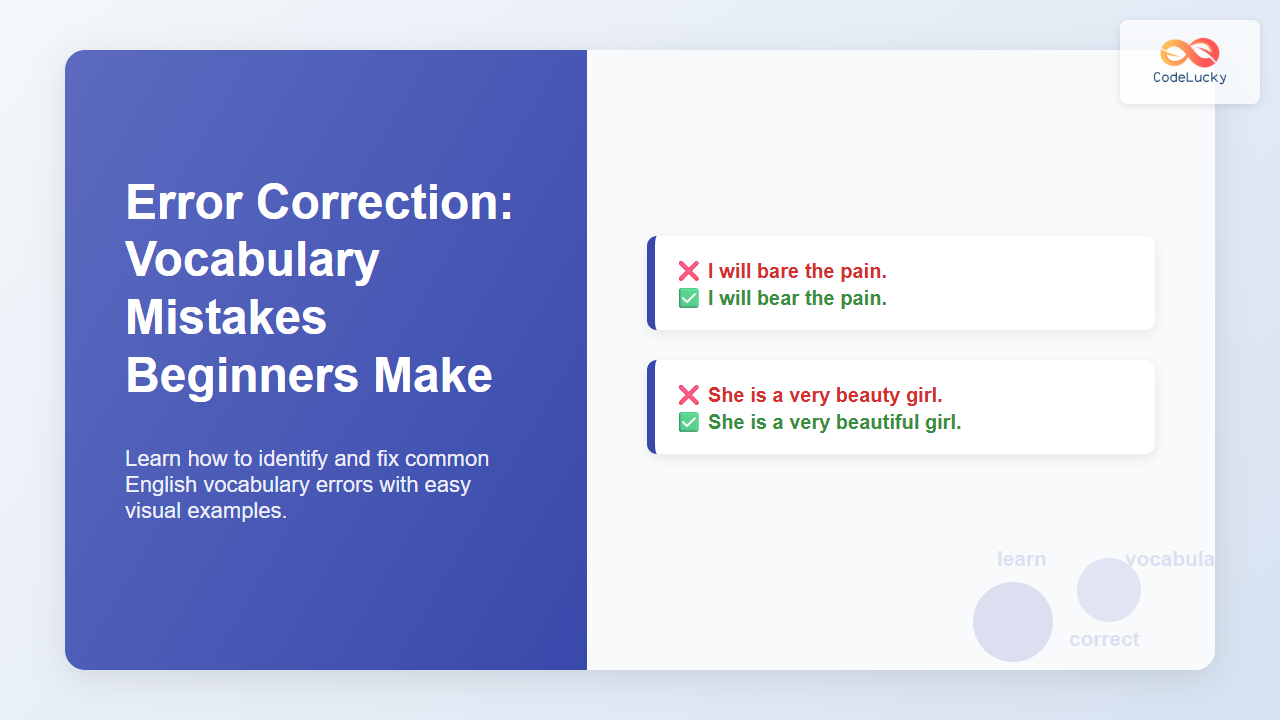
| I will bare the pain. | I will bear the pain. | “Bear” means tolerate; “Bare” means uncovered. |
| He lost his peace of paper. | He lost his piece of paper. | “Piece” refers to a part of something; “Peace” means calm. |
| Their going to the park. | They’re going to the park. | “They’re” = “They are,” not possessive “Their.” |

Tip for Learners:
When two words sound the same, write a quick note linking their meanings with a memorable image. For instance, associate “bear” with an animal carrying something heavy — that helps recall its “carry/tolerate” meaning.
2. Wrong Word Form
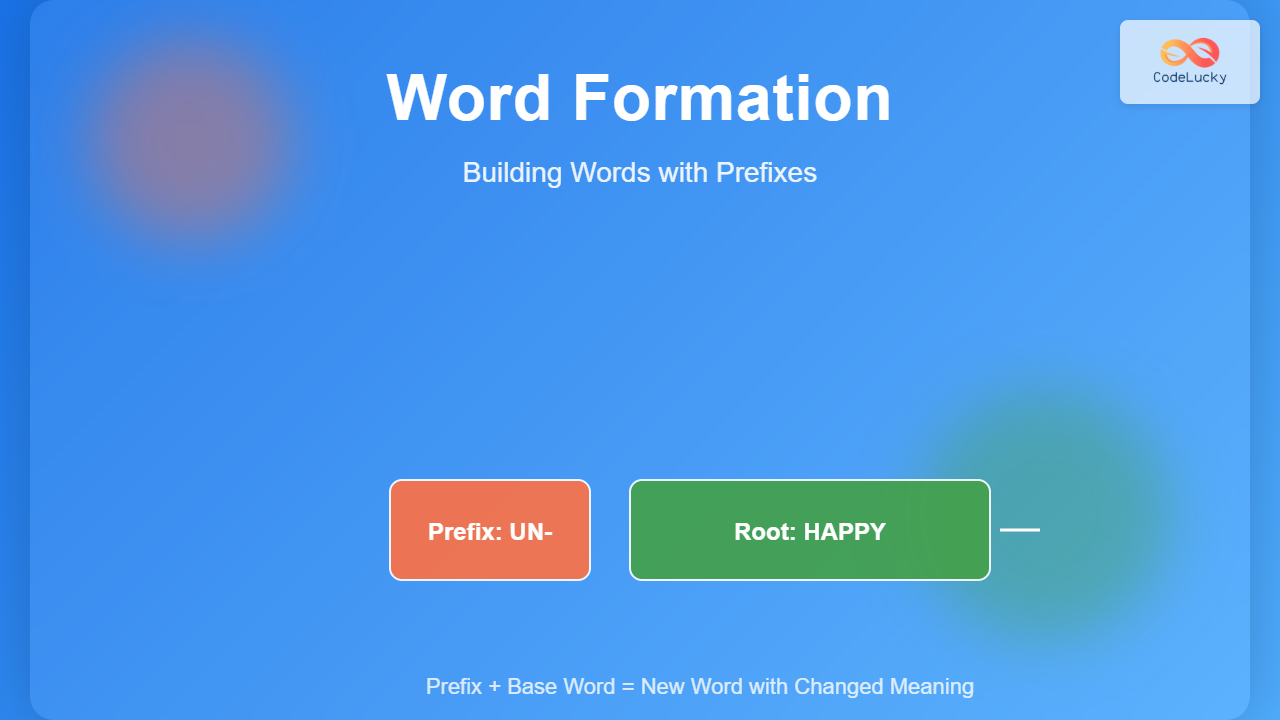
Many learners confuse between noun, verb, and adjective forms of the same root word. Grammar errors often start with an incorrect vocabulary form.
| Incorrect | Correct | Notes |
|---|---|---|
| She is a very beauty girl. | She is a very beautiful girl. | Beauty is a noun, not an adjective. |
| I am very interest in music. | I am very interested in music. | “Interested” is the correct adjective. |
| This book is inform for students. | This book is informative for students. | Use “informative” to describe something giving information. |

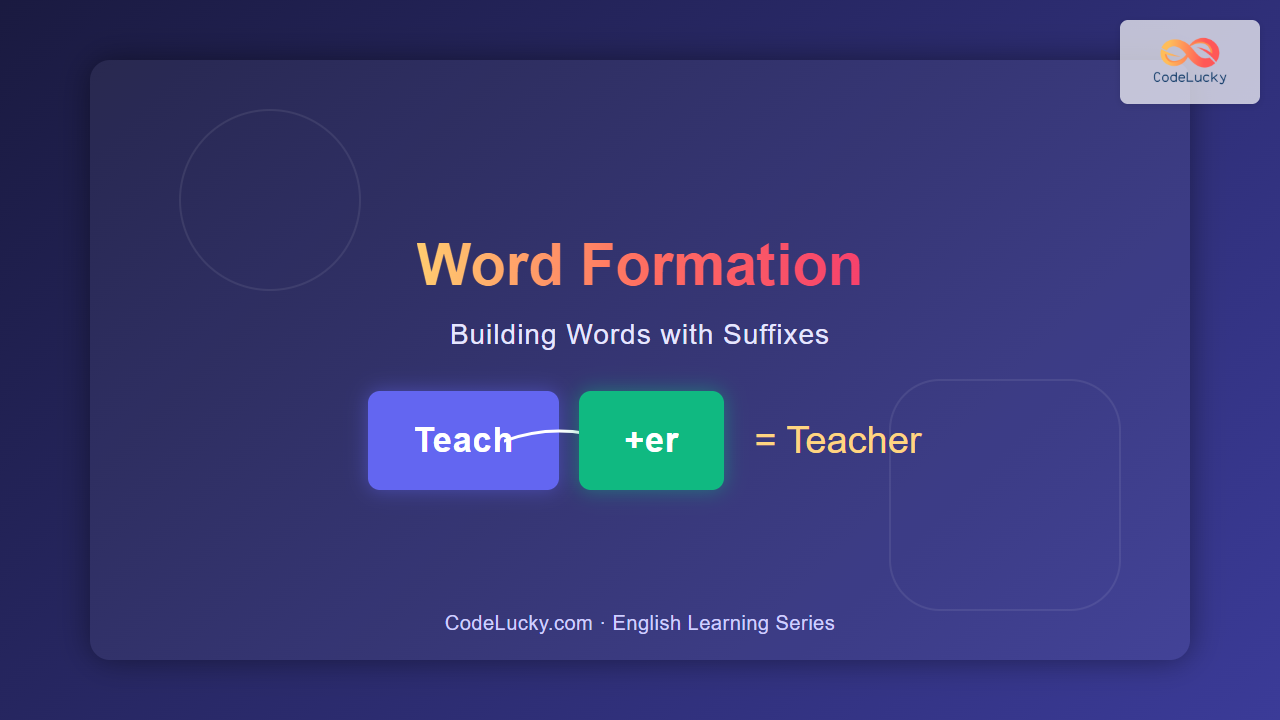
Understanding word families (inform → informative → information → informatively) helps you build fluency naturally.
3. Direct Translation from Native Language
This is one of the biggest vocabulary traps. Translating word-for-word rarely works because English expressions often follow different logic.
- Incorrect: I am studying from two hours.
- Correct: I have been studying for two hours.
The problem arises because some languages use “from” in place of “for.” The correct preposition in English depends on time duration context.

Interactive Tip:
Try a “context replacement” exercise. Replace the wrong preposition with the right one based on intended meaning. Example:
Choose the correct option: I have been waiting one hour.
4. Overused or Weak Words
Beginners tend to repeat words like “good,” “bad,” “nice,” or “very” too often. Rich vocabulary improves readability and communication impact.
| Overused | Better Replacements |
|---|---|
| Good | Excellent, Wonderful, Impressive |
| Bad | Terrible, Awful, Unpleasant |
| Very big | Enormous, Huge, Massive |
| Very small | Tiny, Minute, Petite |

Try this exercise: Replace “nice” in your sentences with a more precise adjective. Instead of saying “She has a nice smile,” say “She has a radiant smile.”
5. Using Informal Words in Formal Writing
English learners often use casual speech patterns in professional or academic writing. Learning formal equivalents helps maintain tone and credibility.
| Informal | Formal | Example Sentence |
|---|---|---|
| Kids | Children | Formal writing prefers “Children learn quickly.” |
| Guy | Man | “I met a man at the station.” |
| Fix | Repair | “Please repair the system.” |
| Get | Receive / Obtain | “You will receive your certificate tomorrow.” |
Quick Practice:
Try rewriting this: “I wanna get my laptop fixed.”
Correct formal version: “I would like to have my laptop repaired.”
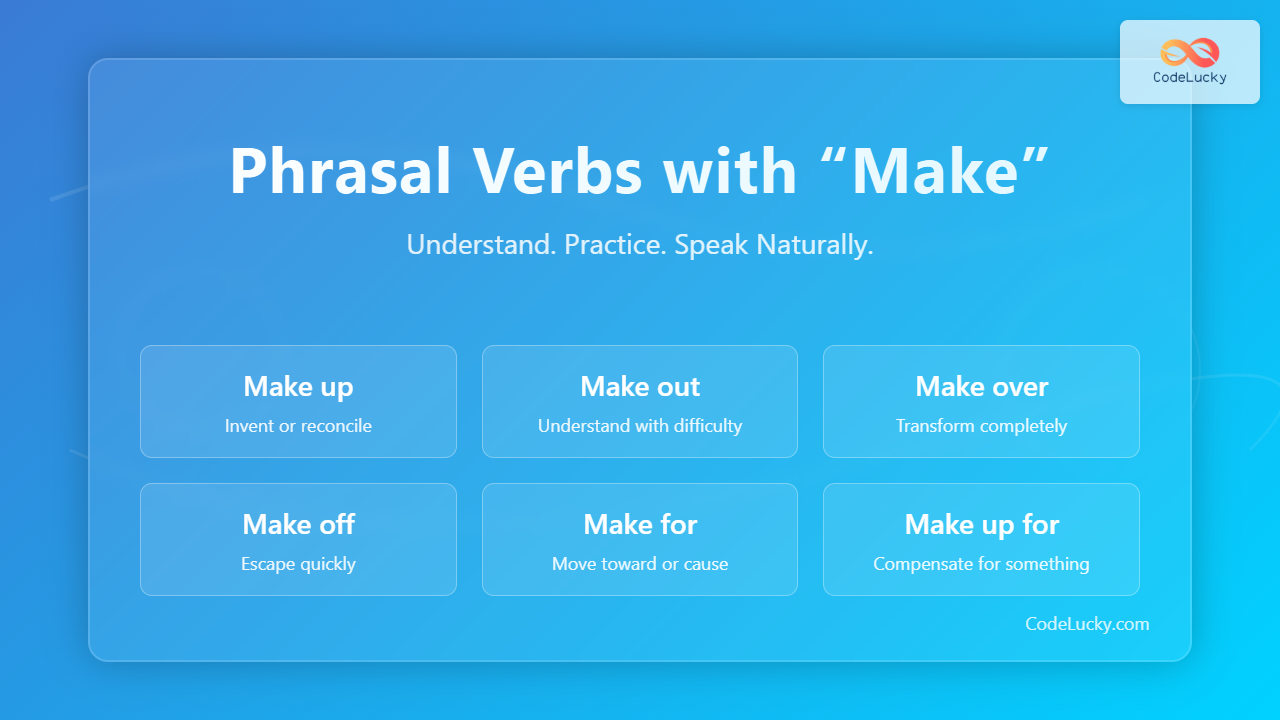
6. Phrasal Verb Confusion
Phrasal verbs (verb + preposition) often confuse learners because the meaning changes completely from the main verb’s sense.
| Common Phrasal Verb | Meaning | Example |
|---|---|---|
| Give up | Stop trying | Don’t give up on your goals. |
| Turn on | Start a machine | Please turn on the fan. |
| Look after | Take care of | She looks after her younger brother. |

7. False Friends and Confusing Pairs
Some words look similar across languages but have unrelated meanings, leading to confusing misuse.
| Word | Wrong Interpretation | Actual Meaning |
|---|---|---|
| Actual | Current / Present | Real / True |
| Library | Bookstore | Place to borrow books |
| Fabric | Factory | Material for clothing |
Always check example sentences in a dictionary to ensure you understand how the word behaves in real contexts.
Conclusion
Vocabulary mistakes are a natural part of every English learner’s journey. Correcting them systematically helps your communication sound more fluent and confident. Focus on identifying patterns like homophones, direct translations, or incorrect forms — and replace them with precise alternatives.
Bookmark this guide on CodeLucky.com and revisit these tables whenever you’re proofreading your writing. Remember, consistent awareness turns errors into long-term improvements.