Choosing the right hosting solution is crucial for e-commerce success. Your hosting infrastructure directly impacts site performance, customer experience, and ultimately your bottom line. This comprehensive guide covers everything you need to know about e-commerce hosting requirements.
Core Performance Requirements
Server Resources
E-commerce sites demand significantly more resources than standard websites due to dynamic content, database queries, and transaction processing.

CPU and Processing Power
E-commerce platforms like WooCommerce, Magento, or Shopify Plus require substantial processing power for:
- Product catalog management – Handling thousands of product variations
- Search functionality – Processing complex queries and filters
- Payment processing – Secure transaction handling
- Inventory management – Real-time stock updates
Minimum: 2-4 CPU cores with 2.4GHz+ clock speed
Recommended: 4-8 CPU cores with 3.0GHz+ for high-traffic stores
Memory (RAM) Requirements
Adequate RAM ensures smooth operation during traffic spikes and prevents crashes during peak shopping periods.
- Small stores (0-1000 products): 4-8 GB RAM
- Medium stores (1000-10000 products): 8-16 GB RAM
- Large stores (10000+ products): 16-32 GB RAM
Storage Solutions
Storage type and capacity directly affect site loading speeds and user experience.
SSD vs HDD
| Feature | SSD | HDD |
|---|---|---|
| Read/Write Speed | 500-3500 MB/s | 80-160 MB/s |
| Database Performance | Excellent | Poor |
| Cost per GB | Higher | Lower |
| Reliability | High | Moderate |
Recommendation: Always choose SSD storage for e-commerce hosting. The performance benefits far outweigh the additional cost.
Security Requirements
E-commerce sites handle sensitive customer data and financial transactions, making security paramount.
SSL Certificates
SSL certificates are mandatory for e-commerce sites. They encrypt data transmission and are required for PCI DSS compliance.
- Domain Validation (DV): Basic encryption, suitable for small stores
- Extended Validation (EV): Enhanced security with green address bar
- Wildcard SSL: Covers subdomains for multi-site operations
PCI DSS Compliance
Payment Card Industry Data Security Standard compliance is legally required for processing credit card payments.

Backup and Recovery
Comprehensive backup solutions protect against data loss and ensure business continuity.
- Automated daily backups of website files and databases
- Offsite backup storage for disaster recovery
- Point-in-time recovery capabilities
- Regular backup testing to ensure restoration works
Scalability and Traffic Handling
E-commerce sites experience varying traffic patterns, requiring flexible hosting solutions.
Load Balancing
Distribute traffic across multiple servers to prevent overload during peak periods.

CDN Integration
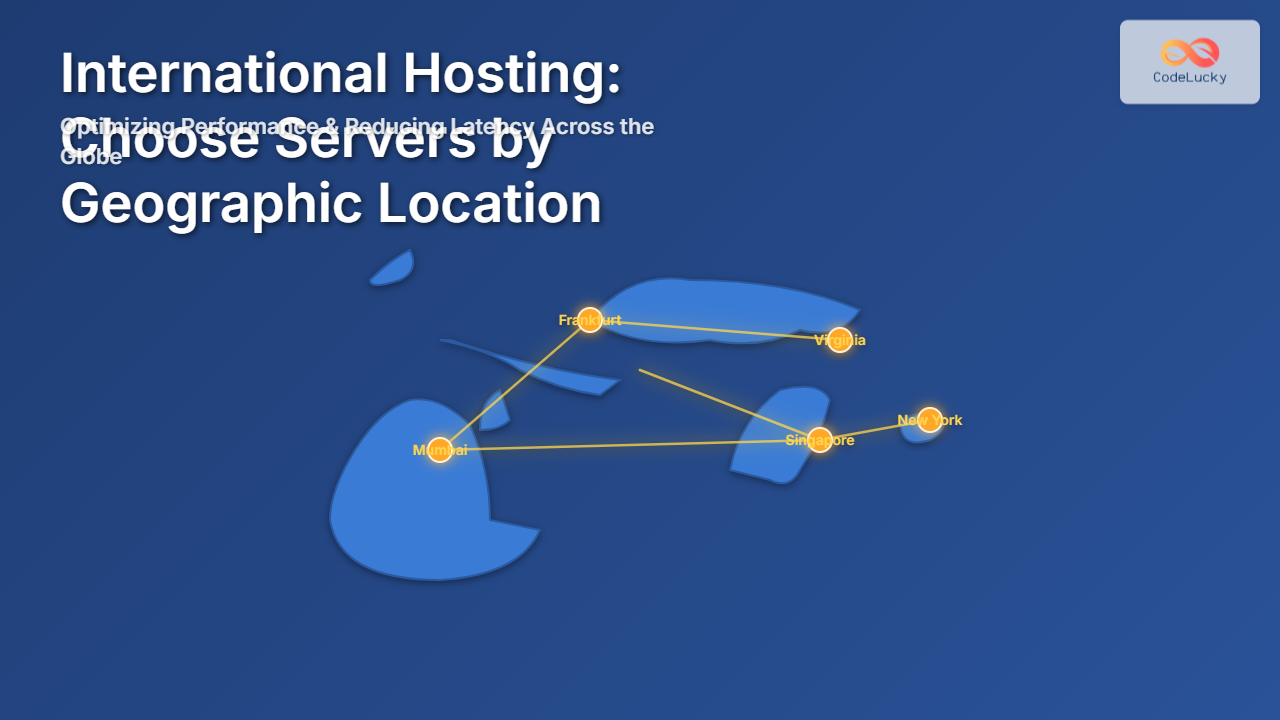
Content Delivery Networks improve loading speeds globally by caching static content closer to users.
- Static content caching – Images, CSS, JavaScript files
- Global edge locations – Reduced latency worldwide
- Bandwidth optimization – Lower hosting costs
- DDoS protection – Enhanced security
Database Requirements
E-commerce platforms rely heavily on databases for product catalogs, customer data, and order management.
Database Types
| Database | Best For | Performance | Scalability |
|---|---|---|---|
| MySQL | Small to medium stores | Good | Moderate |
| PostgreSQL | Complex data structures | Excellent | High |
| MariaDB | MySQL alternative | Better than MySQL | High |
| MongoDB | NoSQL requirements | Excellent | Very High |
Database Optimization
- Query optimization – Index frequently searched columns
- Connection pooling – Efficient database connections
- Caching layers – Redis or Memcached implementation
- Database clustering – Read/write separation for large stores
Hosting Types Comparison

Shared Hosting
Not recommended for e-commerce due to:
- Limited resources affecting performance
- Security risks from neighboring sites
- No root access for customization
- Poor uptime guarantees
VPS (Virtual Private Server)
Ideal for small to medium e-commerce stores:
- Dedicated resources within shared hardware
- Root access for custom configurations
- Better security than shared hosting
- Cost-effective for growing businesses
Dedicated Servers
Best for high-traffic stores requiring maximum performance:
- Complete server resources
- Full hardware control
- Maximum security
- Higher cost but best performance
Cloud Hosting
Most flexible option with pay-as-you-scale pricing:
- Auto-scaling during traffic spikes
- High availability and redundancy
- Global infrastructure
- Cost-effective for variable traffic
Performance Optimization Features
Caching Solutions
Multiple caching layers significantly improve site performance:
- Server-level caching – Apache/Nginx modules
- Application caching – WordPress/Magento plugins
- Database caching – Query result caching
- Object caching – Redis/Memcached implementation
Image Optimization
Product images often account for 60-70% of page weight:
- WebP format support – 25-35% smaller file sizes
- Automatic compression – Lossless optimization
- Lazy loading – Load images as needed
- Responsive images – Different sizes for different devices
Technical Requirements by Platform
WooCommerce Requirements
- WordPress: 5.0 or higher
- PHP: 7.4 or higher (8.0+ recommended)
- MySQL: 5.6 or higher
- Memory: 512MB minimum (2GB+ recommended)
- HTTPS: Required for checkout
Magento Requirements
- PHP: 8.1 or 8.2
- MySQL: 8.0
- Elasticsearch: 7.17 or 8.x
- Composer: 2.x
- Memory: 2GB minimum (4GB+ recommended)
Shopify Plus Requirements
- Fully hosted solution
- No server management needed
- Built-in CDN and security
- API integration capabilities
Monitoring and Analytics
Continuous monitoring ensures optimal performance and early problem detection.

Essential Monitoring Metrics
- Page load time: Target under 3 seconds
- Server response time: Under 200ms
- Uptime percentage: 99.9% or higher
- Transaction success rate: Monitor payment failures
- Error rates: Track 404s and server errors
Budget Considerations
E-commerce hosting costs vary significantly based on requirements:
| Store Size | Hosting Type | Monthly Cost Range | Features |
|---|---|---|---|
| Small (0-1K products) | VPS | $20-100 | Basic features, SSL |
| Medium (1K-10K products) | Cloud/VPS | $100-500 | CDN, backups, monitoring |
| Large (10K+ products) | Dedicated/Cloud | $500-2000+ | Full enterprise features |
Choosing the Right Provider
Key Evaluation Criteria
- E-commerce specialization – Proven track record with online stores
- Performance guarantees – SLA commitments for uptime and speed
- Security certifications – PCI DSS compliance and SOC audits
- Support quality – 24/7 technical support with e-commerce expertise
- Scalability options – Easy resource upgrades
Red Flags to Avoid
- No SSL certificate included
- Unlimited everything promises
- No backup guarantees
- Poor customer support reviews
- Shared hosting for high-traffic sites
Implementation Best Practices
Pre-Launch Checklist
- Performance testing – Load test with expected traffic
- Security audit – Vulnerability assessment
- Backup verification – Test restore procedures
- SSL configuration – Verify all pages serve over HTTPS
- CDN setup – Configure content delivery network
Post-Launch Optimization
- Monitor performance metrics – Track key indicators
- Regular security updates – Keep software current
- Database optimization – Regular cleanup and indexing
- Capacity planning – Plan for growth and traffic spikes
Selecting the right e-commerce hosting solution requires careful consideration of performance, security, and scalability requirements. By understanding these essential requirements and implementing best practices, you can ensure your online store provides excellent customer experience while maintaining security and reliability. Remember that hosting is an investment in your business success, and choosing the right solution from the start will save significant time and money as your store grows.