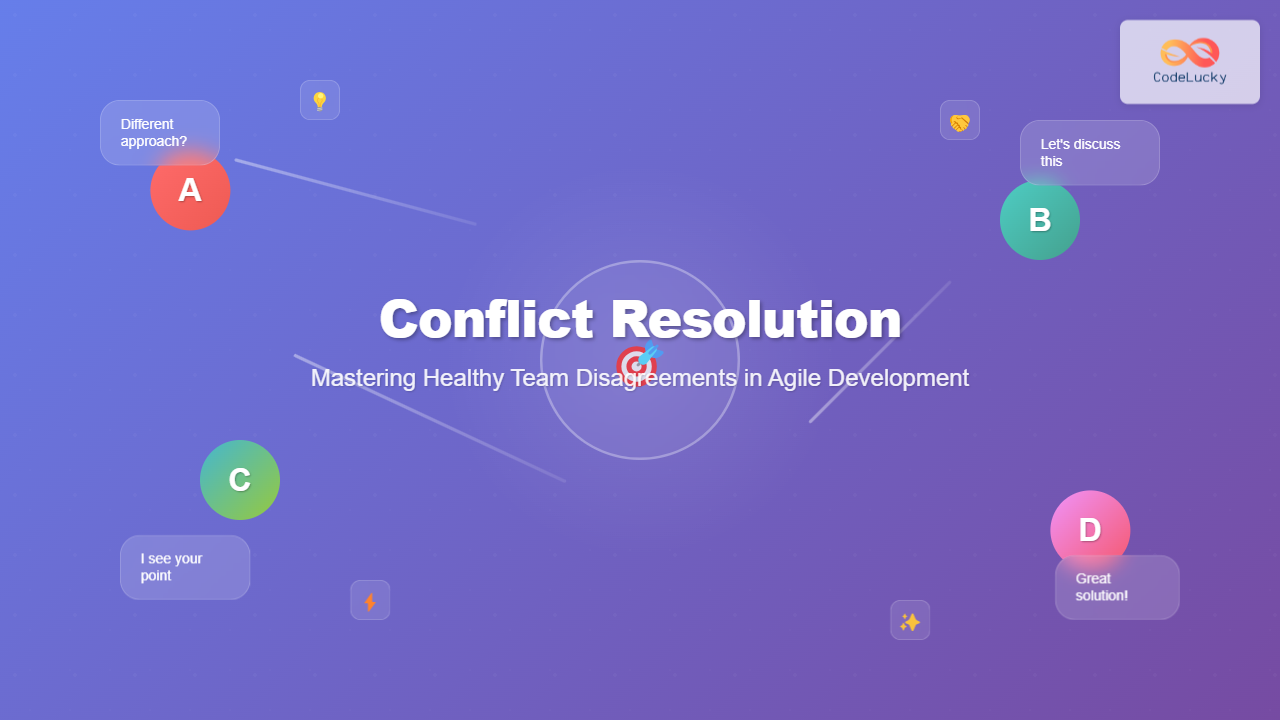
Conflict in Agile teams isn’t just inevitable—it’s essential for innovation and growth. When managed effectively, healthy disagreements become the catalyst for breakthrough solutions and stronger team bonds. This comprehensive guide explores proven strategies for transforming potential team friction into productive collaboration that drives project success.
Understanding the Nature of Healthy Conflict in Agile Teams
Healthy conflict differs fundamentally from destructive disagreements. While toxic conflict attacks individuals and creates division, constructive disagreement focuses on ideas, processes, and solutions. In Agile environments, this distinction becomes critical as teams work in close collaboration with frequent iterations and rapid decision-making cycles.
Research shows that teams experiencing moderate levels of task-focused conflict consistently outperform those avoiding disagreement entirely. This phenomenon occurs because diverse perspectives challenge assumptions, reveal blind spots, and generate more comprehensive solutions. The key lies in channeling this natural tension productively.
Types of Conflict in Software Development Teams
Task Conflict: Disagreements about project goals, requirements interpretation, or technical approaches. This type often leads to better solutions when managed properly.
Process Conflict: Disputes over methodologies, workflows, or resource allocation. Common in Agile teams transitioning between frameworks or scaling practices.
Relationship Conflict: Personal tensions between team members that can derail productivity if left unaddressed.
Status Conflict: Disagreements about roles, responsibilities, or decision-making authority within the team hierarchy.
The Agile Advantage: Built-in Conflict Resolution Mechanisms
Agile methodologies inherently provide several mechanisms that support healthy conflict resolution. Understanding and leveraging these built-in tools can prevent minor disagreements from escalating into major team disruptions.
Sprint Retrospectives as Conflict Prevention
Regular retrospectives create safe spaces for team members to voice concerns before they become major issues. Effective retrospective facilitation involves creating psychological safety where team members feel comfortable sharing honest feedback about processes, interactions, and challenges.
The key to successful conflict prevention through retrospectives lies in focusing on systems and processes rather than individual blame. When team members understand that the goal is continuous improvement rather than fault-finding, they’re more likely to engage openly in discussions that might otherwise create tension.
Daily Standups: Early Warning Systems
Daily standups provide opportunities to identify potential conflicts early. When team members report blockers or challenges, attentive Scrum Masters and team leads can spot underlying tensions that might not be explicitly stated. The brief, focused nature of standups also prevents prolonged arguments while ensuring visibility into potential issues.
Proven Strategies for Conflict Resolution
The Five-Step De-escalation Process
Step 1: Pause and Breathe
When tensions rise during team discussions, the first step involves creating space for emotional regulation. This might mean taking a brief break, switching to asynchronous communication temporarily, or simply acknowledging that emotions are running high before proceeding.
Step 2: Listen Actively
True active listening requires setting aside the urge to formulate counterarguments while others speak. Team members should practice reflecting back what they’ve heard before responding, ensuring accurate understanding of different perspectives.
Step 3: Identify Common Ground
Even in heated disagreements, teams usually share fundamental goals like project success, code quality, or user satisfaction. Explicitly identifying these shared objectives helps reframe conflicts as collaborative problem-solving rather than adversarial debates.
Step 4: Explore Underlying Interests
Surface-level disagreements often mask deeper concerns about workload, recognition, technical debt, or professional growth. Skilled facilitators help teams uncover these underlying interests, which frequently reveal unexpected alignment.
Step 5: Generate Solutions Together
The most sustainable conflict resolutions emerge when teams collaborate on solutions rather than having solutions imposed by leadership. This collaborative approach increases buy-in and addresses multiple perspectives simultaneously.
The RACI Framework for Role Clarity
Many conflicts stem from unclear roles and responsibilities. The RACI matrix (Responsible, Accountable, Consulted, Informed) provides a structured approach to defining who does what in various scenarios. When team members understand their roles clearly, disagreements shift from “who should do this” to “how should we do this together.”
Communication Techniques for Difficult Conversations
Non-Violent Communication in Technical Discussions
Technical disagreements can quickly become personal when team members feel their expertise is being questioned. Non-violent communication techniques help maintain focus on technical merit while preserving relationships:
Observation without Evaluation: “The current approach requires three database calls” instead of “This design is inefficient.”
Expressing Feelings: “I’m concerned about performance implications” rather than suppressing concerns or expressing them as attacks.
Stating Needs: “We need to maintain response times under 200ms” provides clear criteria for evaluation.
Making Requests: “Could we explore caching strategies?” opens dialogue rather than demanding specific solutions.
The Power of “Yes, And” Thinking
Borrowed from improvisational theater, “yes, and” thinking transforms potentially adversarial exchanges into collaborative exploration. Instead of immediately pointing out flaws in colleagues’ suggestions, team members first acknowledge the value in different perspectives before building upon them or raising concerns constructively.
Creating Psychological Safety for Open Dialogue
Google’s Project Aristotle identified psychological safety as the most important factor in high-performing teams. In the context of conflict resolution, psychological safety enables team members to disagree openly without fear of retribution, ridicule, or professional consequences.
Leadership Behaviors That Foster Safety
Leaders play crucial roles in modeling vulnerability and openness to feedback. When senior team members admit mistakes, ask for help, and demonstrate genuine curiosity about different perspectives, they create environments where others feel safe to disagree and contribute honestly.
Effective leaders also respond to conflict with curiosity rather than immediate judgment. Questions like “Help me understand your perspective” and “What concerns are driving this viewpoint?” demonstrate genuine interest in understanding rather than winning arguments.
Establishing Team Norms for Disagreement
High-performing teams often establish explicit agreements about how they’ll handle disagreements. These might include commitments to assume positive intent, address concerns directly rather than through back-channels, and separate criticism of ideas from criticism of individuals.
Leveraging Diversity for Better Solutions
Diverse teams naturally experience more frequent disagreements due to different backgrounds, experiences, and perspectives. Rather than viewing this as a challenge to overcome, successful Agile teams recognize diversity-driven conflict as a competitive advantage that leads to more innovative solutions and fewer blind spots.
The Devil’s Advocate Role
Some teams formalize diverse thinking by rotating a “devil’s advocate” role during planning sessions and technical discussions. This designated person actively looks for potential problems, alternative approaches, and unexamined assumptions. By making this role explicit and rotating it, teams normalize constructive disagreement while preventing any individual from being typecast as perpetually negative.
Technology Tools for Conflict Resolution
Modern development teams have access to various tools that can support healthy conflict resolution, particularly in distributed or hybrid work environments.
Asynchronous Discussion Platforms
Tools like Slack threads, Microsoft Teams channels, or dedicated discussion platforms allow team members to engage in thorough technical debates without time pressure. This asynchronous approach often leads to more thoughtful responses and gives introverted team members more opportunities to contribute meaningfully.
Collaborative Decision-Making Tools
Platforms like Miro, Mural, or even simple Google Docs enable teams to visually map different perspectives, vote on options, and document decision-making processes. These tools help ensure all voices are heard while maintaining clear records of how decisions were reached.
Measuring and Improving Conflict Resolution Skills
Like any other aspect of team performance, conflict resolution capabilities can be measured and improved systematically. Regular assessment helps teams identify patterns, celebrate progress, and address persistent challenges.
Key Metrics for Team Health
Resolution Time: How quickly does the team move from identifying disagreements to reaching workable solutions?
Escalation Frequency: How often do team-level conflicts require management intervention?
Repeat Issues: Are the same types of conflicts recurring, suggesting systemic problems?
Participation Rates: Are all team members contributing to discussions and solution-finding?
Continuous Improvement Through Feedback
Regular team health checks, anonymous feedback surveys, and structured retrospectives focused specifically on team dynamics help identify areas for improvement. The key is creating multiple channels for feedback while ensuring psychological safety in all of them.
Advanced Conflict Resolution Techniques
Interest-Based Problem Solving
When teams move beyond position-based arguments (“we should use React” vs. “we should use Vue”) to interest-based discussions (“we need maintainable code with good community support”), they often discover creative solutions that address everyone’s core concerns.
This approach requires skilled facilitation to help team members articulate their underlying interests rather than just their preferred solutions. The process often reveals that apparent conflicts are actually different approaches to shared goals.
The Gradient of Agreement
Not all decisions require unanimous enthusiasm. The gradient of agreement tool helps teams distinguish between different levels of support, from wholehearted endorsement to grudging acceptance to principled objection. This nuanced approach allows teams to move forward even when perfect consensus isn’t possible.
Building Long-term Team Resilience
The ultimate goal of conflict resolution isn’t just solving immediate problems—it’s building teams that can handle future disagreements more effectively and maintain high performance under pressure.
Developing Conflict Competence
Teams that handle conflict well develop what researchers call “conflict competence”—the collective ability to engage in disagreements productively. This competence grows through practice, reflection, and continuous learning about communication and collaboration skills.
Investing in team training on communication skills, emotional intelligence, and collaborative problem-solving pays dividends in reduced friction, faster decision-making, and more innovative solutions. Many organizations find that even modest investments in these “soft skills” produce measurable improvements in technical productivity.
Creating Learning Cultures
Teams that view conflicts as learning opportunities rather than problems to avoid develop greater resilience and adaptability. When disagreements lead to discoveries about user needs, technical possibilities, or process improvements, team members begin to welcome rather than fear diverse perspectives.
Conclusion: From Conflict to Collaboration
Mastering conflict resolution in Agile teams requires shifting from seeing disagreement as a threat to recognizing it as an opportunity for growth and innovation. The strategies and techniques outlined in this guide provide a foundation for transforming inevitable team tensions into productive collaboration.
The most successful Agile teams don’t avoid conflict—they embrace it as a natural part of creative work while developing the skills and processes needed to channel it constructively. By implementing these approaches consistently and measuring their effectiveness, teams can build the resilience and collaboration skills needed to thrive in today’s complex development environments.
Remember that becoming skilled at conflict resolution is itself an iterative process. Teams should expect to experiment with different approaches, learn from both successes and failures, and continuously refine their practices based on what works best for their unique context and challenges.
Related Posts
Agile Team Dynamics: Building High-Performance Teams That Deliver Results
Agile team dynamics form the backbone of successful software development projects, determining whether teams thrive or struggle in today's fast-paced...
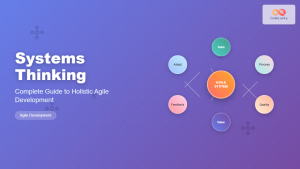
Systems Thinking: Complete Guide to Holistic Agile Development
Systems thinking revolutionizes how Agile teams approach software development by viewing projects as interconnected ecosystems rather than isolated components. This...
Facilitation Skills: Essential Guide to Guiding Effective Agile Team Interactions
Effective facilitation is the cornerstone of successful Agile teams. Whether you're a Scrum Master, Product Owner, or team lead, mastering...
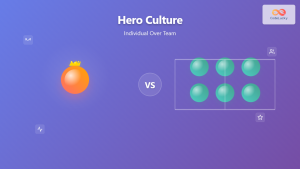
Hero Culture: Individual Over Team – Breaking the Agile Anti-Pattern
Understanding Hero Culture in Agile Development Hero culture represents one of the most pervasive anti-patterns in Agile software development, where...
Agile Mindset: Developing the Right Mental Framework for Software Success
The agile mindset represents far more than following a set of practices or ceremonies—it's a fundamental shift in how we...
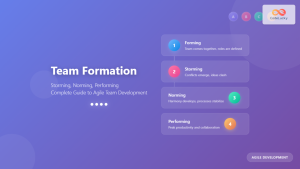
Team Formation: Storming, Norming, Performing – Complete Guide to Agile Team Development Stages
Team formation in Agile environments follows a predictable pattern that every project manager and team leader must understand. Bruce Tuckman's...
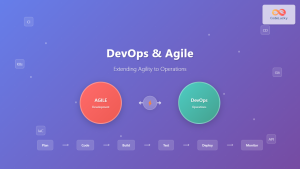
DevOps and Agile: Extending Agility to Operations – Complete Guide for Modern Software Delivery
The evolution of software development has witnessed remarkable transformations, from traditional waterfall methodologies to Agile practices, and now to the...
Psychological Safety: Creating Trust in Teams for Enhanced Agile Performance
Psychological safety stands as the cornerstone of high-performing Agile teams, representing the shared belief that team members can express ideas,...
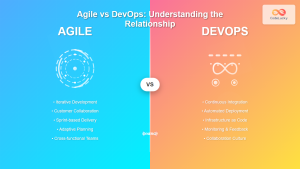
Agile vs DevOps: Understanding the Relationship Between Two Powerful Software Development Methodologies
In today's fast-paced software development landscape, organizations are constantly seeking methodologies that can accelerate delivery while maintaining quality. Two prominent...
Stakeholder Management: Complete Guide to Engaging All Parties in Agile Projects
Effective stakeholder management is the cornerstone of successful Agile projects. In today's complex business environment, projects involve multiple parties with...
Scrum Anti-Patterns: Common Dysfunctional Practices That Kill Team Productivity
Scrum has revolutionized software development by providing a framework for iterative, collaborative work. However, many teams fall into destructive patterns...
Analysis Paralysis: Breaking Free from Over-Planning in Agile Development
Analysis paralysis is one of the most insidious enemies of Agile development teams. While thorough planning seems like a virtue,...
- Understanding the Nature of Healthy Conflict in Agile Teams
- The Agile Advantage: Built-in Conflict Resolution Mechanisms
- Proven Strategies for Conflict Resolution
- Communication Techniques for Difficult Conversations
- Creating Psychological Safety for Open Dialogue
- Leveraging Diversity for Better Solutions
- Technology Tools for Conflict Resolution
- Measuring and Improving Conflict Resolution Skills
- Advanced Conflict Resolution Techniques
- Building Long-term Team Resilience
- Conclusion: From Conflict to Collaboration