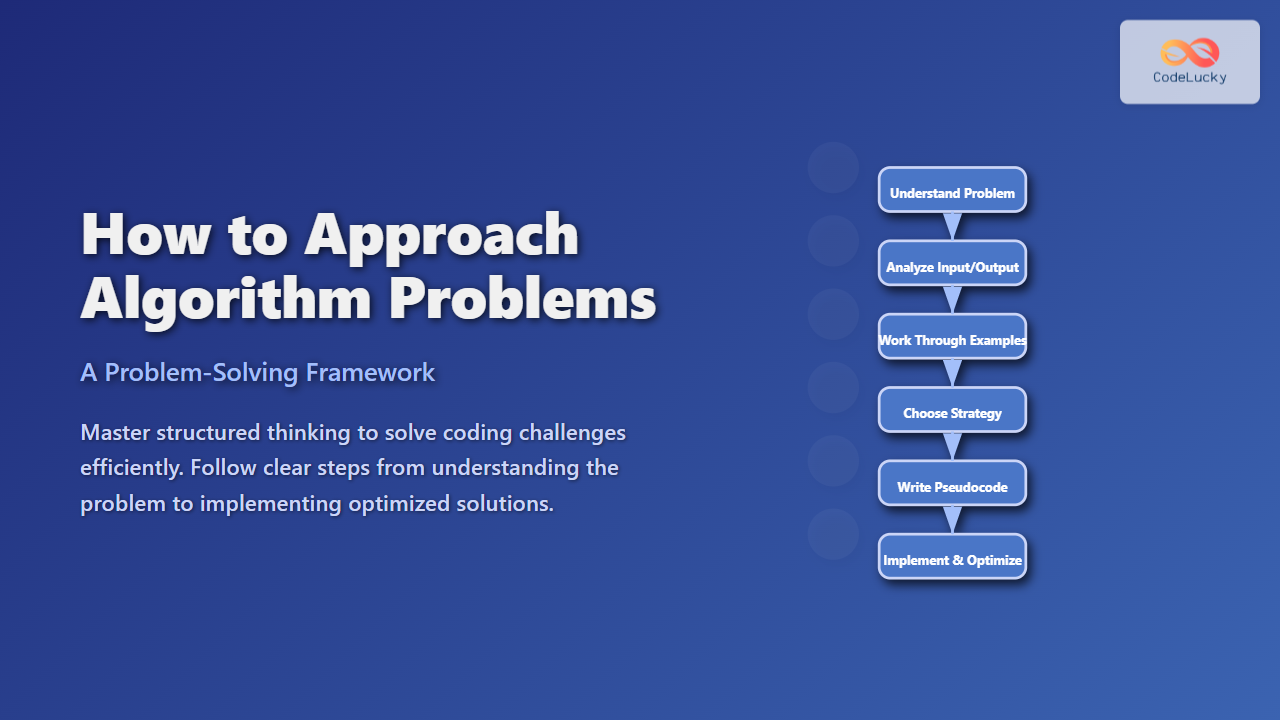
The Candy Distribution Problem is a popular algorithmic challenge often asked in coding interviews and competitive programming contests. It tests your ability to apply greedy algorithms effectively. The most efficient and widely accepted approach for solving this problem is the two-pass greedy solution, which guarantees both correctness and minimal candy allocation.
Problem Statement
You are given an array ratings[] where each element represents the performance rating of a child standing in a line. You need to distribute candies to these children such that:
- Each child gets at least one candy.
- Any child with a higher rating than their immediate neighbor must get more candies.
Your goal is to determine the minimum number of candies needed to satisfy the above conditions.
Greedy Two-Pass Solution: Key Idea
The greedy approach works by scanning the children in two passes:
- Left to Right Pass: Ensure that each child with a higher rating than their left neighbor gets more candies.
- Right to Left Pass: Ensure that each child with a higher rating than their right neighbor also gets more candies, while preserving the conditions from the first pass.
After these two traversals, we sum up the candies given to find the final minimum distribution.
Step-by-Step Example
Consider the ratings array:
ratings = [1, 0, 2]Initialization
Every child gets at least one candy:
candies = [1, 1, 1]Left to Right Pass
- Compare
ratings[1] = 0withratings[0] = 1→ No change. - Compare
ratings[2] = 2withratings[1] = 0→ Child at index2gets more candies:candies[2] = candies[1] + 1 = 2.
candies = [1, 1, 2]Right to Left Pass
- Compare
ratings[1] = 0withratings[2] = 2→ No change. - Compare
ratings[0] = 1withratings[1] = 0→ Child at index0gets more candies:candies[0] = candies[1] + 1 = 2.
candies = [2, 1, 2]Total Candies
Sum = 2 + 1 + 2 = 5So the minimum candies needed = 5.

Python Implementation
Here is the Python implementation of the greedy two-pass approach:
def candy(ratings):
    n = len(ratings)
    candies = [1] * n

    # Left to right pass
    for i in range(1, n):
        if ratings[i] > ratings[i - 1]:
            candies[i] = candies[i - 1] + 1

    # Right to left pass
    for i in range(n - 2, -1, -1):
        if ratings[i] > ratings[i + 1]:
            candies[i] = max(candies[i], candies[i + 1] + 1)

    return sum(candies)

# Example
print(candy([1,0,2]))  # Output: 5
print(candy([1,2,2]))  # Output: 4
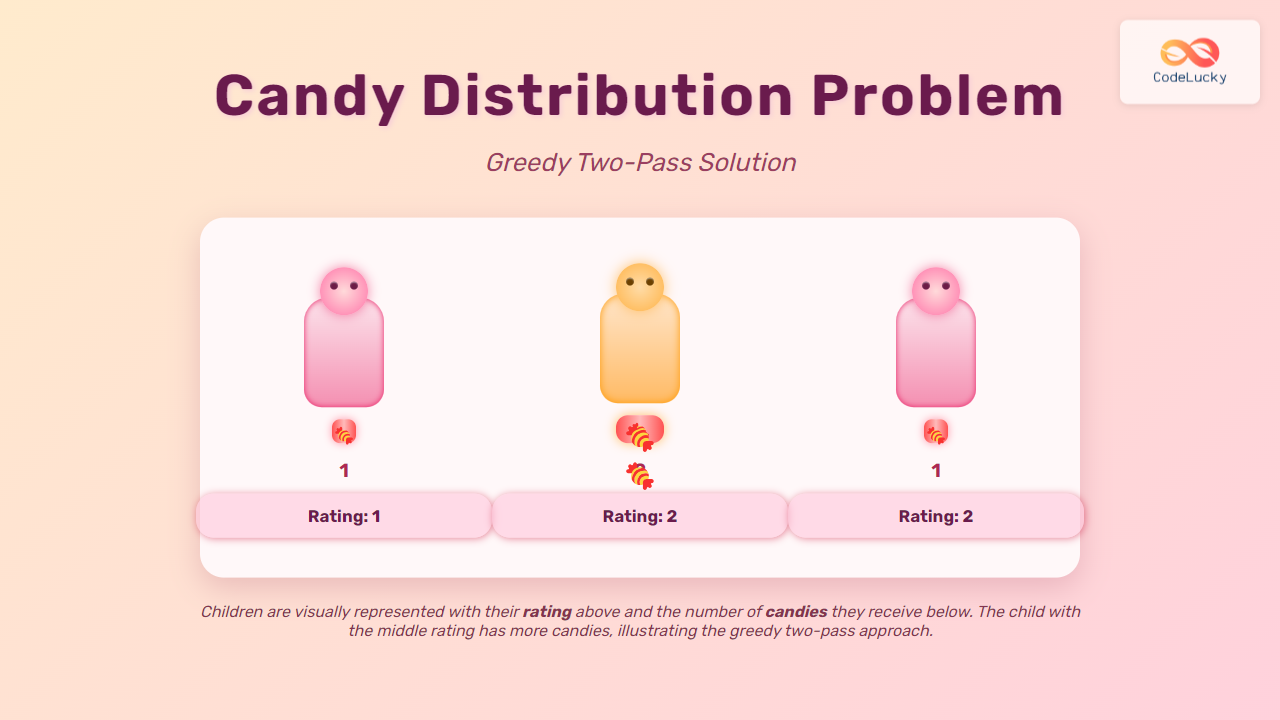
Visual Example: Ratings [1, 2, 2]
Step-by-step execution:
ratings = [1, 2, 2]
Initial candies = [1, 1, 1]

Pass 1: [1, 2, 1]
Pass 2: [1, 2, 1] (No changes)
Total = 4

Complexity Analysis
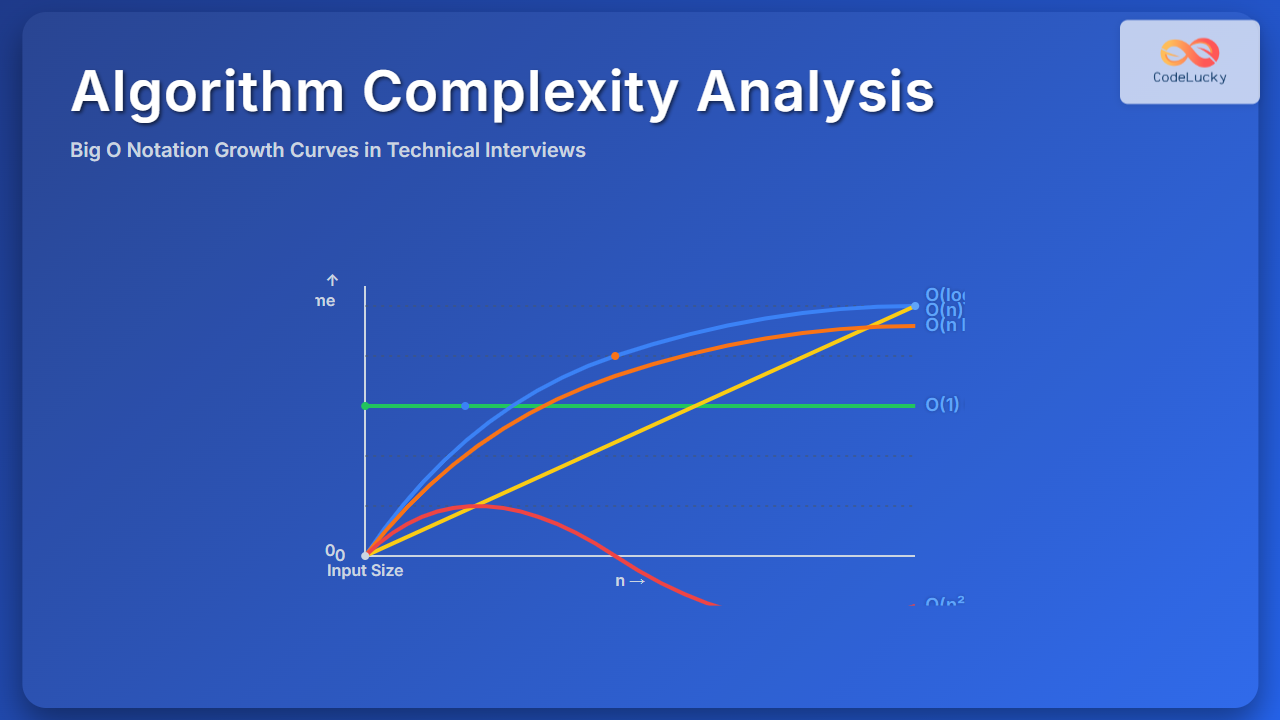
- Time Complexity: O(n) because we traverse the ratings array twice.
- Space Complexity: O(n) due to storing candies distribution.
Key Insights
- The two-pass greedy method ensures all children satisfy both left and right conditions.
- It minimizes the total candies by always giving the smallest valid number.
- Unlike brute-force methods, it avoids unnecessary adjustments and ensures optimality.
Try It Yourself
You can experiment with different rating arrays to visualize how candies are distributed. For example:
print(candy([5, 3, 4, 5, 2]))
print(candy([1, 3, 4, 5, 2, 2, 1]))
Conclusion
The Candy Distribution Problem demonstrates how a two-pass greedy strategy can solve a seemingly complex problem in O(n) time. With its blend of simplicity and efficiency, this approach is a must-learn technique for coding interviews and algorithm design.